Psilocybin Prevents Chemotherapy-Related Peripheral Neuropathy in Mice
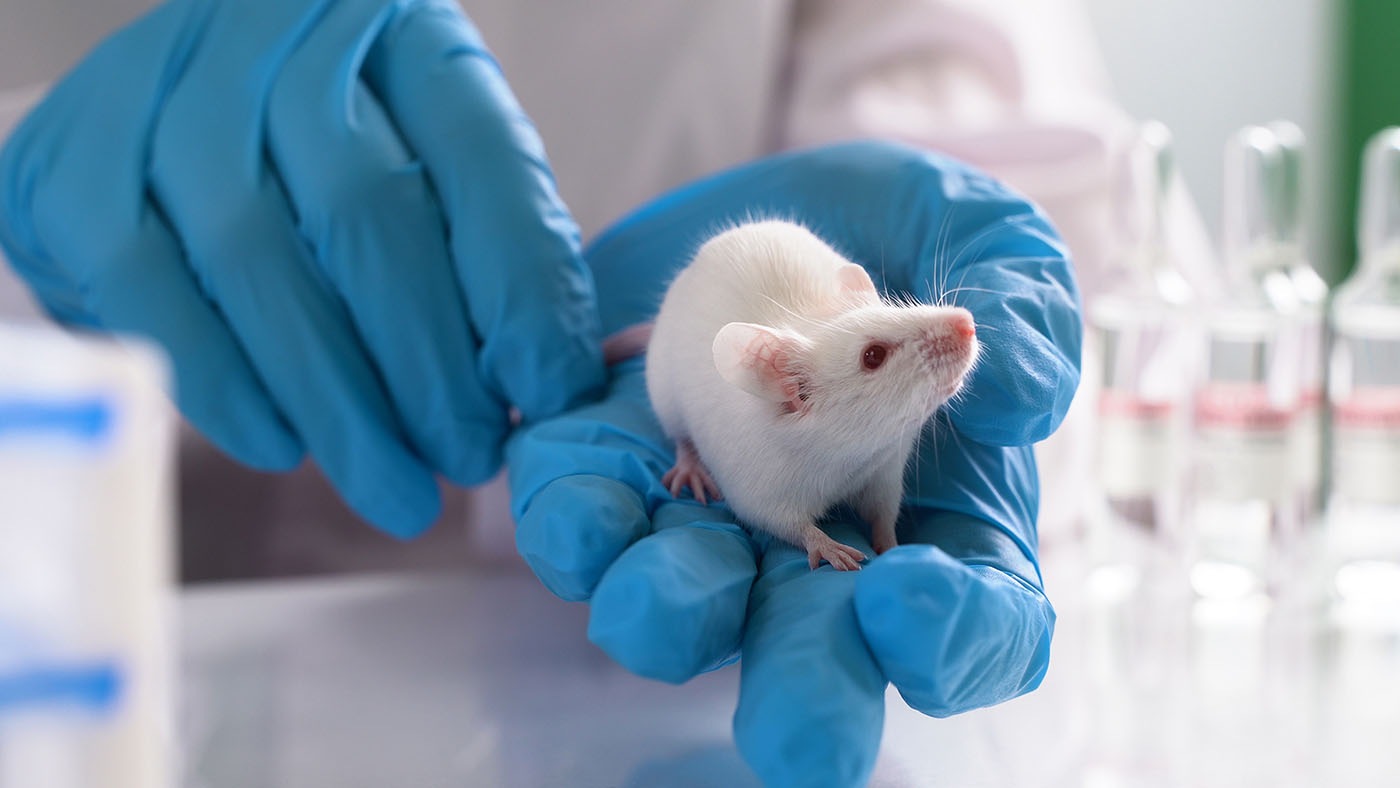
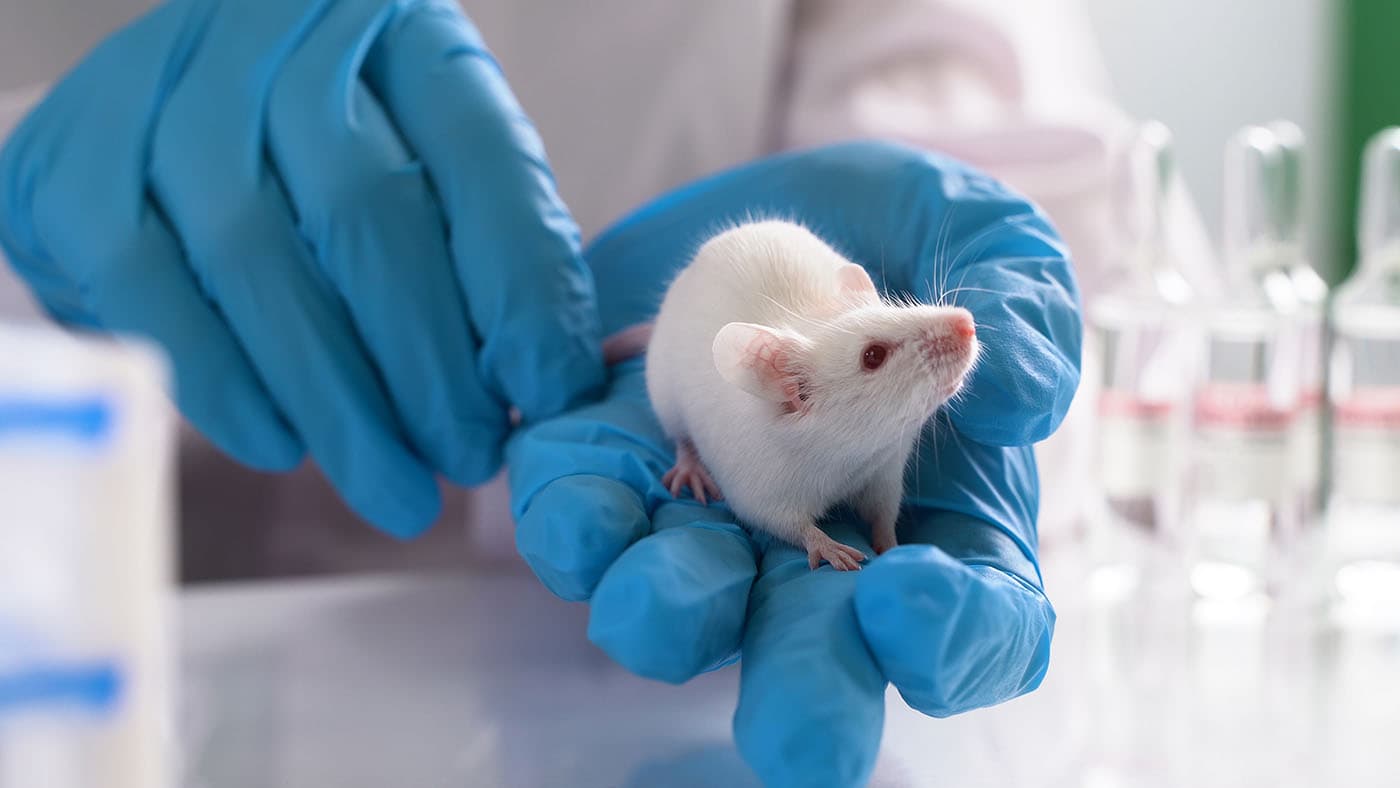
Peripheral neuropathy is a common side effect of chemotherapy, resulting in symptoms that can include numbness, painful nerve injury and sensitivity. A study by researchers at The University of Texas MD Anderson Cancer Center has now found that in mouse models, as few as two doses of psilocybin given before chemotherapy durably prevented chemotherapy-induced peripheral neuropathy (CIPN) through multiple treatment cycles, while preserving both nerve function and tumor-killing effects of therapy.
The study, co-led by Moran Amit, MD, PhD, professor of Head and Neck Surgery, and Patrick Dougherty, PhD, professor of Pain Medicine, uncovered a previously unrecognized neuroprotective role of serotonin receptors, and points to psilocybin as a potential first-in-class intervention for the prevention of CIPN.
“There is an urgent need for treatments that prevent nerve injury without interfering with lifesaving chemotherapy,” Amit said. “These findings offer important insights into how psilocybin may protect nerves before damage occurs, rather than treating symptoms after they become persistent. At UT MD Anderson, we are actively exploring the multiple facets of psychedelics to pursue interventions that improve the lives of our patients.”
Amit, Dougherty, and colleagues reported on their findings inScience, in a paper titled “Psilocybin prevents chemotherapy-induced peripheral neuropathy through mitochondrial trafficking preservation.”
Chemotherapy-induced peripheral neuropathy is a common and serious complication of platinum-based chemotherapies, such as cisplatin, and can affects up to 60% of patients. Some patients may also experience changes that impact their balance or ability to continue life-saving treatments, significantly impacting their quality of life. “Patients experience pain, cold sensitivity, numbness, and impaired touch sensation that can persist for years, frequently forcing dose reductions or discontinuation of otherwise life-saving therapy,” the authors wrote. Established nerve injury often is irreversible, and existing treatments offer limited benefits. “Mechanistically, CIPN is associated with mitochondrial dysfunction and distal axonal degeneration within peripheral sensory pathways,” the team continue. “Despite its enormous clinical burden, no proven preventive strategy exists.”
Psilocybin is a naturally occurring psychedelic compound that is currently is under investigation for neuropsychiatric and neurological disorders. The compound activates serotonin 2A receptors, which have been linked to neuronal plasticity and mitochondrial regulation, indicating that psilocybin might protect the sensory nervous system from chemotherapy-induced injury, the investigators suggested.
For their reported study the researchers used several preclinical models to examine the effects of psilocybin on nerves and evaluate whether the compound could be used to prevent peripheral neuropathy after chemotherapy. “Despite decades of investigation, no effective prophylactic interventions have emerged for CIPN, and current treatments provide only limited benefit.” the investigators commented.
Through the study they discovered that psilocybin directly affects the peripheral nervous system through serotonin 5-HT2A receptors. In preclinical models, as few as two doses of psilocybin given before chemotherapy prevented hypersensitivity to cold, protected sensory nerve endings and preserved touch sensation while also maintaining antitumor effects of the chemotherapy. These results were consistent even when models were given repeated chemotherapy cycles with cisplatin, paclitaxel and docetaxel. “Notably, psilocybin also preserved its protective efficacy in tumor-bearing mice, without measurable changes in tumor growth, positioning it as a safe candidate with true prophylactic potential against CIPN,” the team stated.
Further experiments showed that blocking the 5-HT2A pathway reversed these neuroprotective effects, while using a non-hallucinogenic compound that activates the same receptors produced similar protection to that of psilocybin.
Additionally, researchers found that cisplatin depleted mitochondria and reduced their movement inside nerve fibers. They found that psilocybin activated a specific signaling pathway that preserved mitochondrial trafficking after chemotherapy, maintaining adequate energy levels at the nerve endings. “Human donor sensory neurons and patient skin biopsies independently confirmed that this serotonin 2A–mitochondrial trafficking network is conserved in human tissue,” the investigators further stated.
“Psilocybin does more than reduce pain signals by protecting the nerves, themselves, through energy delivery,” Dougherty said. “This neuroprotective effect could help patients withstand the stress of chemotherapy, maintaining sensation, mobility and quality of life during treatment and long into survivorship.” The authors added “Collectively, our results suggest that psilocybin-mediated restoration of mitochondrial positioning drives itsin vivoneuroprotection, ensuring local energy production at sites where it is most needed.”
These preclinical findings are the basis for an upcoming Phase II clinical trial (NeuroGuard, NCT07227909) evaluating psilocybin during chemotherapy in patients with multiple cancer types, to determine whether the mechanisms observed in this trial translate to clinically meaningful reductions in peripheral neuropathy. Other ongoing trials, led by Amit, currently are examining the effects of psilocybin-assisted psychotherapy for patients with anxiety and/or depression.
These studies are part of UT MD Anderson’s Cancer Neuroscience Program, a comprehensive initiative that examines the interactions between cancer and the nervous system, taking a multidisciplinary approach to enhance patient quality of life.
In a relatedperspective, Maria Maiarú, PhD, at the Department of Pharmacology, School of Pharmacy, University of Reading, said “The study reframes CIPN not simply as an inevitable consequence of neuronal injury but as a failure of resilience that may be amenable to early intervention.” Noting limitations of the reported study, Maiarú commented that the a authors nevertheless “… provide compelling evidence that CIPN may be preventable by preserving mitochondrial positioning and axonal energy homeostasis through plasticity-promoting serotonergic signaling.” The challenge now is to translate these mechanistic insights into carefully designed clinical trials, added Maiarú who acknowledged that the effect of the findings extends beyond chemotherapy-induced neuropathy in terms of potential for disease-modifying approaches to chronic pain.
NewsChemotherapy-induced peripheral neuropathyG protein-coupled receptorsMiceNeuroprotectionPsilocybinPrevious article
The Analytical Blueprint for Cell & Gene Therapy SuccessNext article
Immune Cells Driving Alzheimer’s-Like Neurodegeneration Traced to Lymph NodesAlso of Interest
CloudScope Enables Continuous Remote Monitoring of Brain Activity in Freely Moving MiceMonoclonal Antibodies Targeting MMP-9 Alleviate Peripheral Neuropathy in Diabetic MiceAnticancer Candidate Strengthens Bones and Prevents Weight Gain in Postmenopausal MiceGLP-1 Drug Semaglutide Slows Aging and Extends Lifespan in MiceNew Zika Virus Vaccine Approach Harnesses the Power of T Cells in MiceNeural Mechanism Identified That Drives Increased Alcohol Use in Isolated Male MiceRelated Media
The Problem with Lab MiceOptical DefibrillationImproving Brain PlasticityA Brief History of Stem CellsTop 5ResourcesRecommended For YouPodcast
Touching Base
Touching Base is the dynamic podcast series from the editors ofGEN. Each episode features a rotating case of senior editors—including John Sterling, Kevin Davies, Julianna LeMieux, Alex Phillippidis, Uduak Thomas, Corinna Singleman, and Fay Lin—who delve into emerging stories, exchange ideas, and debate the latest trends in biotech. Additionally, they talk to some of the leading voices in the industry about what's now and next.Start listening today!
Stay up to date with the lasted episodes of Touching Base bysubscribing to theGENPodcast Newsletter