Jump To:
- 1. You must be inside the path of totality
- 2. Luxor is not your only option
- 3. You don't need six minutes totality
- 4. You don't have to be on the centerline
- 5. Weather matters more than duration
- 6. The sun will be high — and it will be very hot
- 7. Check exactly what an eclipse tour includes
- 8. Don't build the entire trip around 6 minutes 23 seconds
Luxor is rapidly becoming synonymous with the total solar eclipse on Aug. 2, 2027. It's easy to see why. The ancient Egyptian city will experience an extraordinary 6 minutes 23 seconds of totality, close to the longest possible anywhere on Earth that day. But you don't need to go to Luxor — and nor do you need six minutes of totality — to experience the "eclipse of the century."
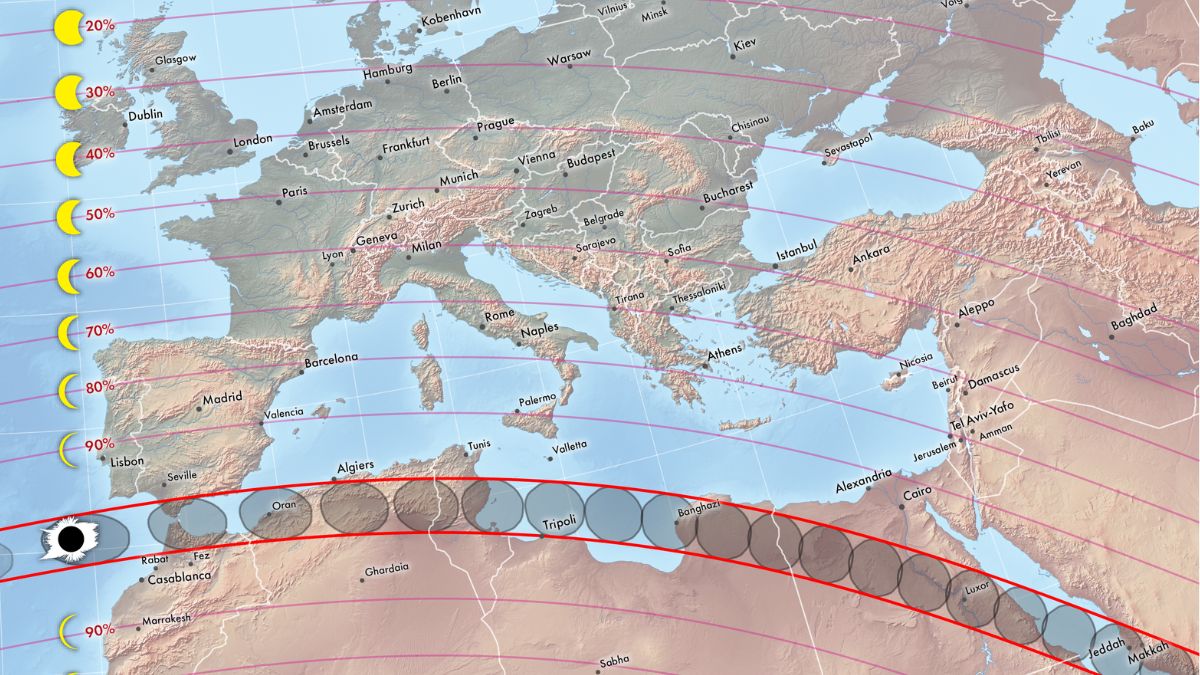
The path of totality stretches thousands of miles across southern Europe, North Africa and the Middle East, offering everything from beaches and mountains to deserts, ancient cities and archaeological sites. With tours filling and accommodation being booked, the temptation is to chase the longest possible totality. That could be a mistake. Weather, location, logistics and what you want from the rest of the trip may matter far more than squeezing another minute from the moon's dark central shadow. Here are eight things to know before spending your money.
1. You must be inside the path of totality
One non-negotiable rule when planning for a totalsolar eclipse: you must be inside the path of totality. Does everyone understand this? Absolutely not. For example, many people in the U.K. felt disappointed by the Aug. 12, 2026, solar eclipse because it was only a partial eclipse, so it didn't get dark. They were fooled by the hype around the total eclipse, which was portrayed by the media as being the "best" since the U.K.'s last total solar eclipse in 1999.
Latest Videos From
Space
View moreWatch full video here:
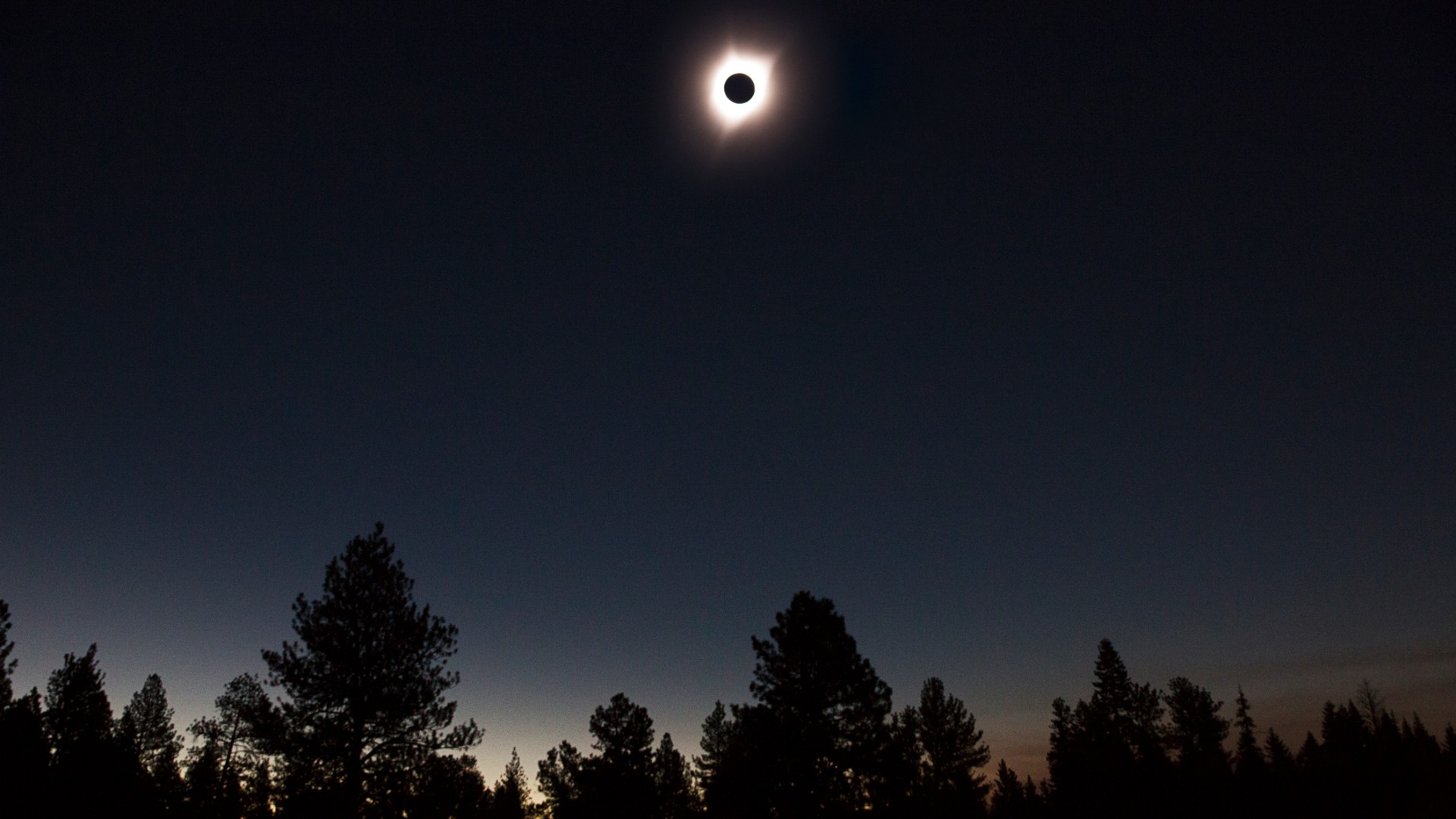
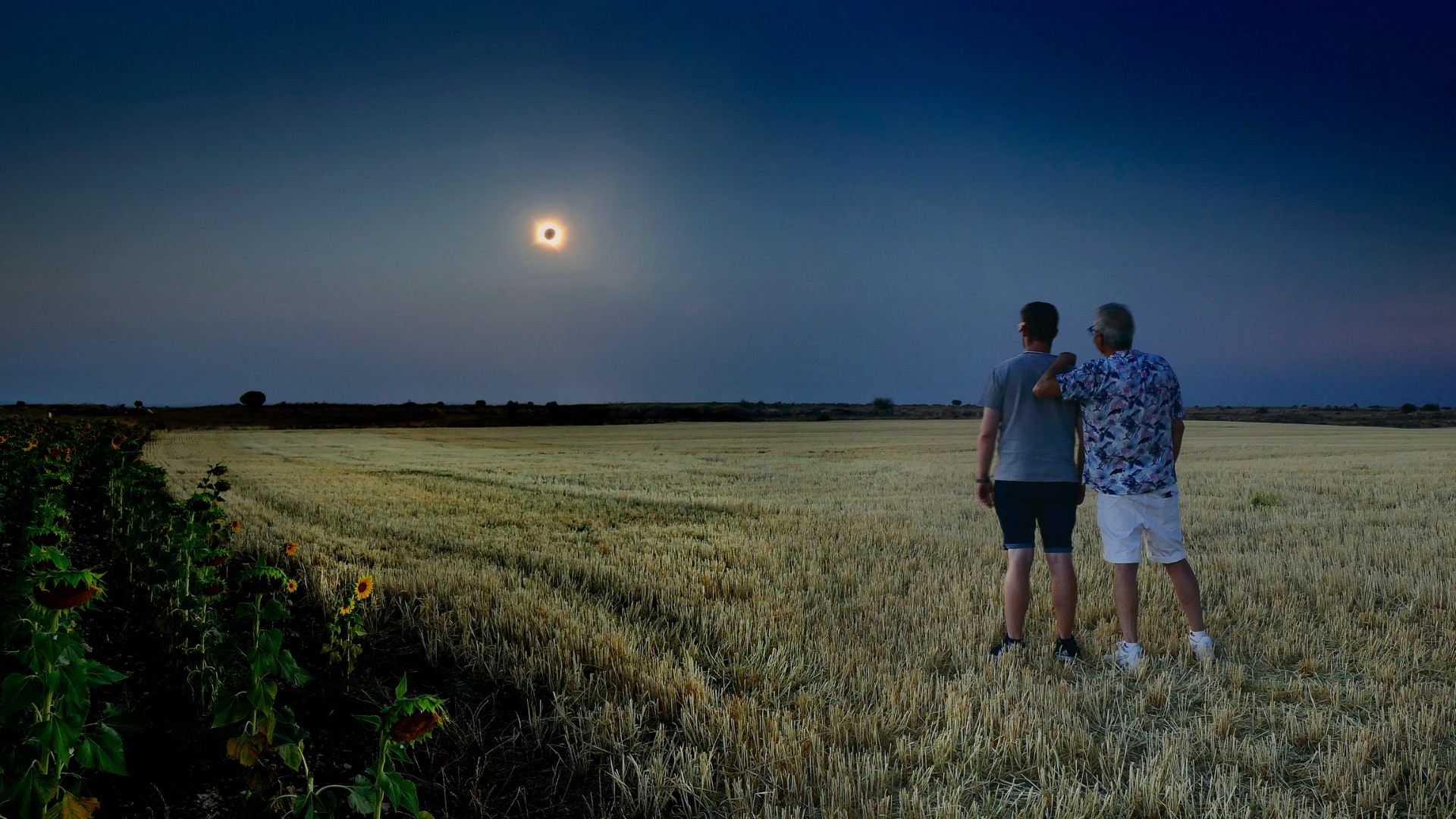
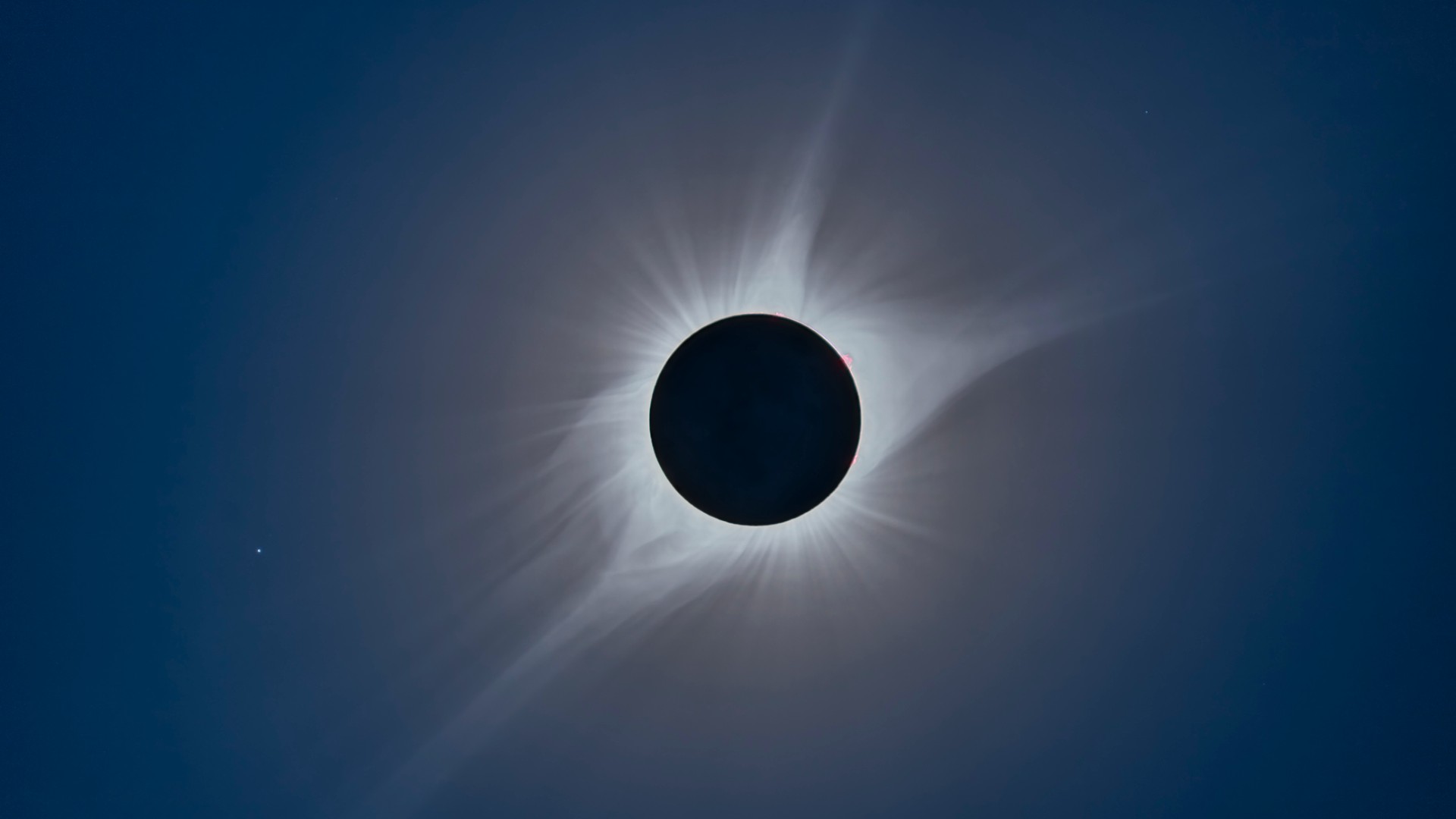
Making that comparison is a classic rookie error. During the partial phases,the moongradually covers the sun, but only from within the path of totality does it completely blockthe sun. Daylight fades, the temperature drops, and bright planets and stars become visible — along with the sun's faint white corona, which you can see with the naked eye. That's the entire ball game.
On Aug. 2, 2027, the path will reach roughly 160 miles (260 kilometers) wide, so there is a huge area from which to experience totality. But its edge is absolute. A location just inside it gets totality, while somewhere just outside it does not. You're either in, or you're out — there is no gradation. A 99% partial solar eclipse is not 99% of the experience of a total solar eclipse. If you're traveling specifically for this eclipse, check that your viewing location — not merely your destination city or region — is firmly inside the path of totality.
2. Luxor is not your only option
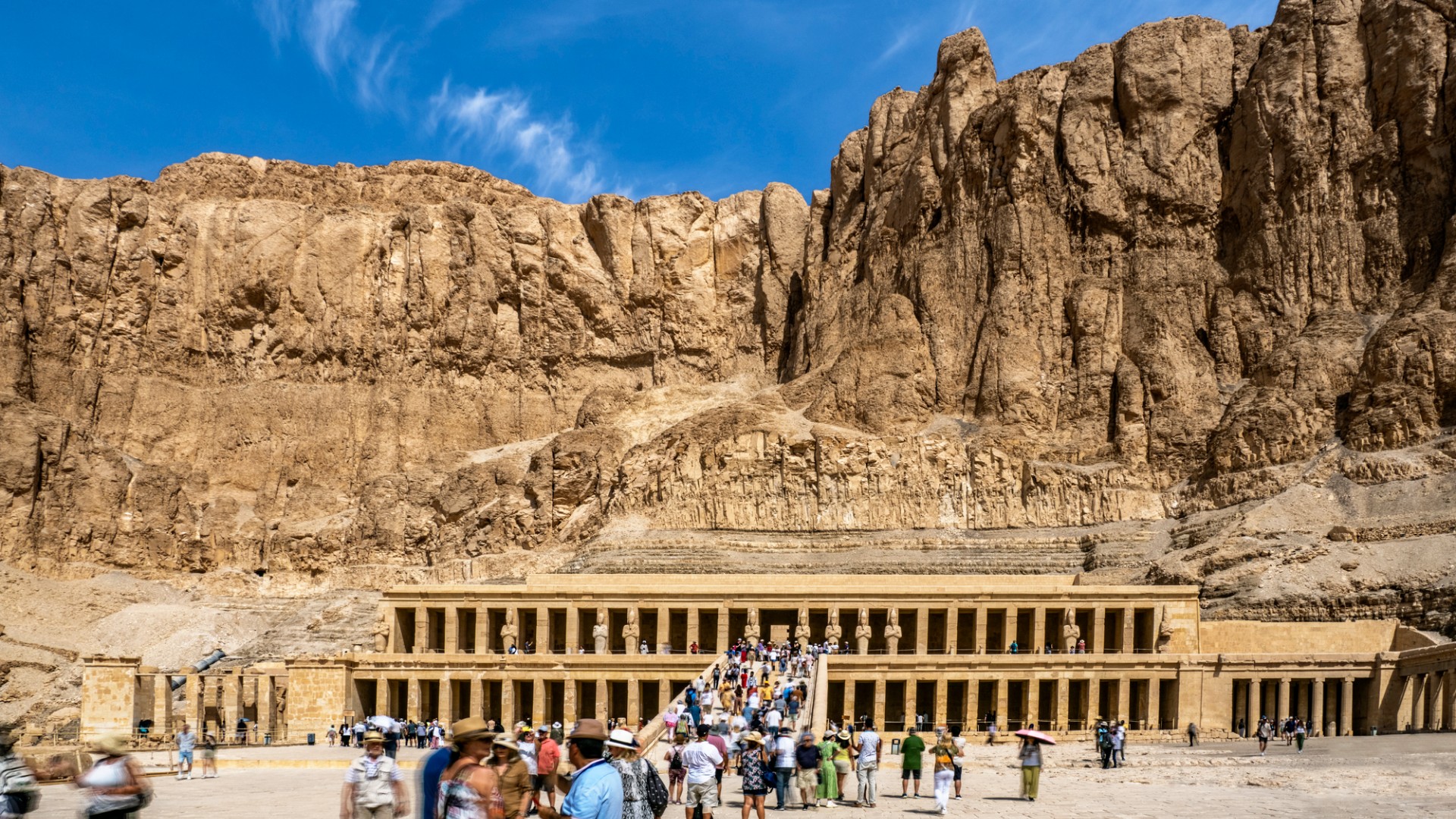
Luxor will be one of the headline destinations. With more than six minutes of totality and the temples of Karnak and Luxor, plus the Valley of the Kings nearby, it's easy to see why. However, the moon's shadow will cross southern Spain before moving across Morocco, Algeria, Tunisia, Libya and Egypt, then across the Red Sea into Saudi Arabia, Yemen and Somalia.
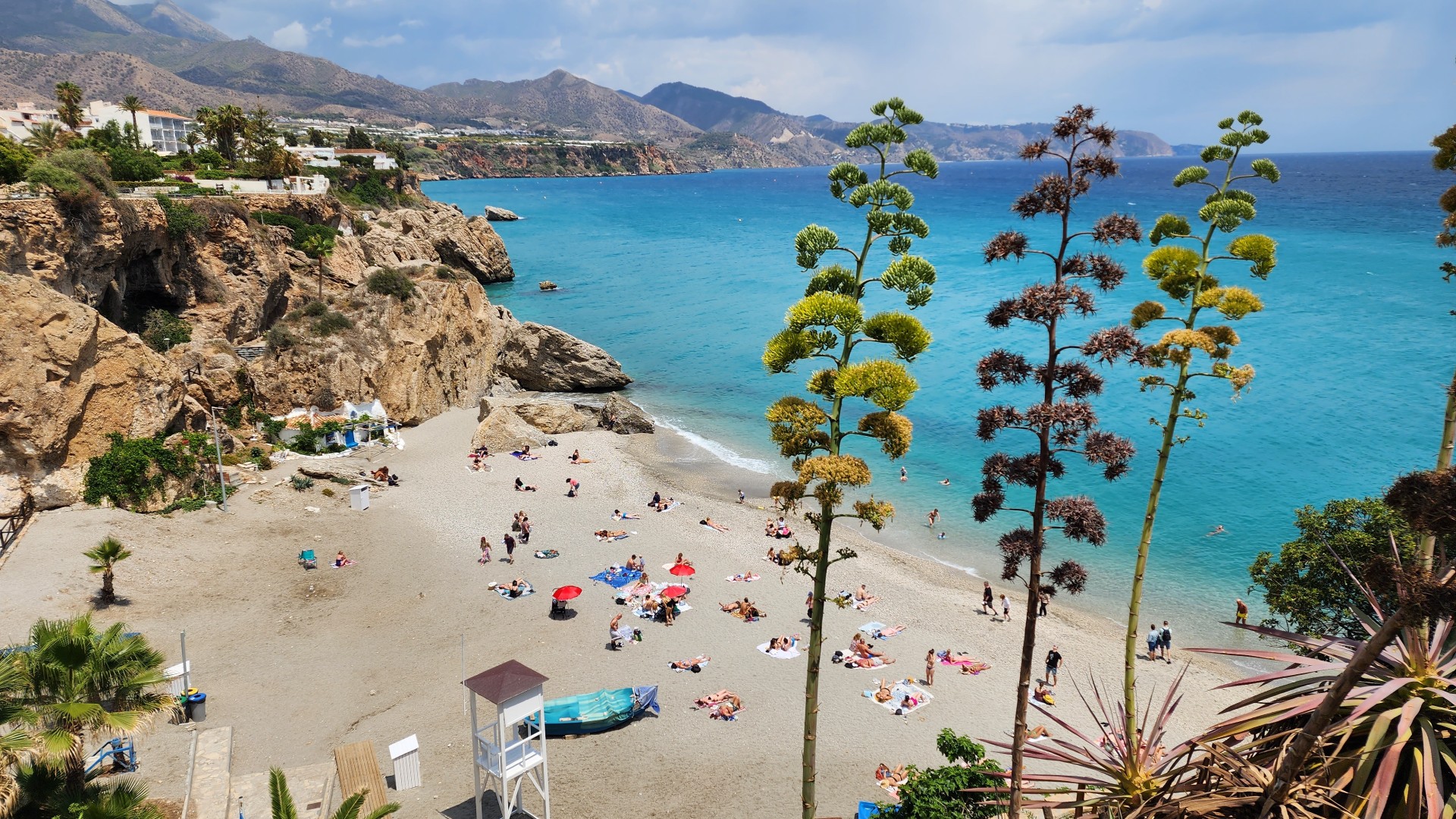
That creates an enormous range of possible eclipse trips, from the Mediterranean coast and the mountains of southern Spain to historic cities, archaeological sites and desert landscapes across North Africa. Those destinations are not equally easy to visit. Flight connections, visas, accommodation, transportation, travel advisories and local infrastructure all need researching. However, anyone struggling to find accommodation in Luxor should remember that this is a continent-spanning eclipse, not a single-city event.
3. You don't need six minutes totality
The headline number for Aug. 2, 2027, is 6 minutes 23 seconds. That's an exceptionally long totality and one of the main reasons this eclipse is attracting so much attention. However, you don't need to let that number dictate your entire trip. Most total solar eclipses last a couple of minutes. Four minutes of totality is long, five minutes is extraordinary. A beautiful location offering four or five minutes of totality could make far more sense than somewhere offering six minutes if it's easier to reach, has better accommodation or appeals to you more. So think of 6 minutes 23 seconds as the theoretical maximum, not the minimum required for a worthwhile experience.
It's also worth bearing in mind that eclipse chasers will happily cross the planet to experience a totality lasting mere seconds. You really don't need to get greedy.
4. You don't have to be on the centerline
Another misconception is that eclipse chasers must reach the centerline of the path of totality. Totality lasts longest near the centerline, but its duration declines relatively slowly as you move away from it. The duration of totality is a function of the diameter of the moon's shadow. Since it projects an oval-shaped shadow onto Earth, even if you're quite close to the edge of the path of totality, most of that diameter crosses over you — and you experience a long totality. An ultra-long totality is even more forgiving.
This greatly expands your options. A town, hotel or viewing site away from the centerline may offer easier access, fewer crowds or a more attractive setting while sacrificing relatively little totality. What matters most is being comfortably inside the path and away from the hard edges, not standing on an imaginary line drawn through its middle.
5. Weather matters more than duration
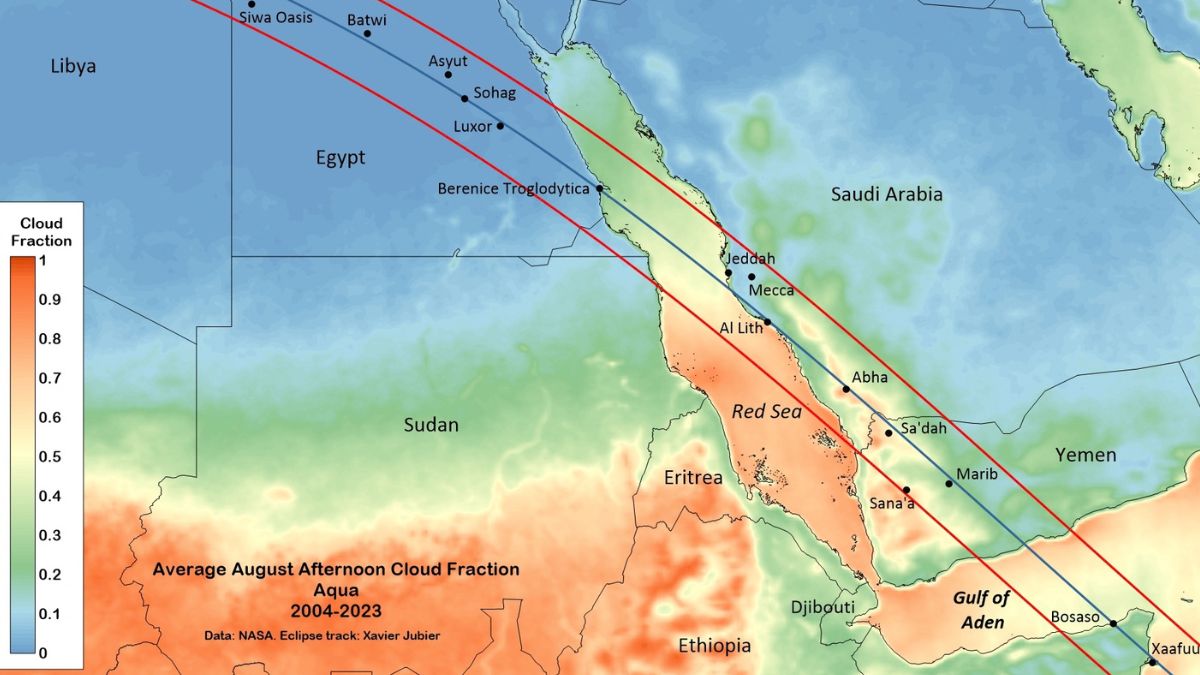
Don't get carried away with duration at the expense of clear skies. Fortunately, the 2027 eclipse crosses regions that have favorable summer climates. Much of North Africa is extremely dry in August, while southern Spain also typically experiences plenty of sunshine. Everyone along the entire path of totality may have a clear view of the eclipsed sun. However, don't take anything for granted. Climate statistics describe what has happened historically, and they don't tell you whether a particular field will be clear at the crucial moment on Aug. 2, 2027. When comparing locations, look at long-term cloud climatology alongside eclipse duration. As the event approaches, short-range forecasts will matter far more than historical averages. In short, a location offering a minute of totality beneath a clear sky easily beats six minutes beneath cloud.
6. The sun will be high — and it will be very hot
Unlike the 2026 total solar eclipse in Spain, this isn't an eclipse where you'll be watching the sun hovering just above the horizon. Across much of the path, the eclipse takes place with the sun almost at the zenith. That makes it easy to find an unobstructed view, but it introduces two other issues — relatively tough conditions for photography, and heat. In southern Spain, the sun will be roughly 40 degrees above the eastern horizon during a mid-morning totality on Aug. 2, 2027, whereas in Luxor, Egypt it'll peak at 82 degrees. Many will lie down on the ground to watch it — something else to think about.
Temperatures will be severe in some locations on the path of totality — as high as 113 degrees Fahrenheit (45 degrees Celsius). Sure, totality itself may bring some relief, but the entire event, including partial phases, will be about 2 hours 45 minutes. Shade, hats, sunscreen and plenty of drinking water should be part of your eclipse plan.
7. Check exactly what an eclipse tour includes
An "eclipse tour" can mean anything from a hotel package with a pair of eclipse glasses to a fully escorted expedition with eclipse experts, dedicated transportation and a private observing site. Before paying a deposit, establish exactly what you're buying. Does the package include transportation to the observing site? Are certified eclipse glasses provided? Will an experienced eclipse guide be present? Perhaps most importantly for this eclipse, will water and shade be available? Those traveling to Luxor on a group tour expecting to witness it all in Karnak Temple — or any of the temples — should double-check … and be prepared to be disappointed. If you're going on a Nile cruise, expect to remain on the ship for totality.
8. Don't build the entire trip around 6 minutes 23 seconds
A total solar eclipse is one of nature's greatest spectacles, but there is a simple way to reduce the risk of disappointment — go somewhere you want to visit anyway. That could mean exploring Andalusia, traveling through Morocco, visiting Tunisia's Roman sites or combining Egypt's temples and tombs with the eclipse. The path contains extraordinary landscapes, archaeology, food and culture long before the moon's shadow arrives. Of course, there's another reason for thinking this way. Nobody can guarantee clear skies on Aug. 2, 2027. Not a hotel, not a tour company and not an astronomer. Coastalcloudsor sudden dust storms could show up.
Choose the place and the journey first, then worry about whether totality lasts four, five or six minutes. When the moon's shadow arrives, you're unlikely to be looking at a stopwatch, and I guarantee you won't remember for long exactly how many seconds you stood beneath the moon's shadow — just that you did, and that totality passed too quickly. It always does — and there's always another to look forward to.
Contributing Writer
Jamie is an experienced science and travel journalist, stargazer and eclipse chaser who writes about exploring the night sky, solar and lunar eclipses, the Northern Lights, moon-gazing, astro-travel, astronomy and space exploration. He is the editor ofWhenIsTheNextEclipse.com, author ofA Stargazing Program For Beginners, co-author ofThe Eclipse Effect, and a senior contributor at Forbes.
You must confirm your public display name before commenting
Please logout and then login again, you will then be prompted to enter your display name.