China's AI superchip set to reshape the 'arms race' as early as January
By
Bronwyn ThompsonSeptember 18, 2026
China's AI superchip set to reshape the 'arms race' as early as January
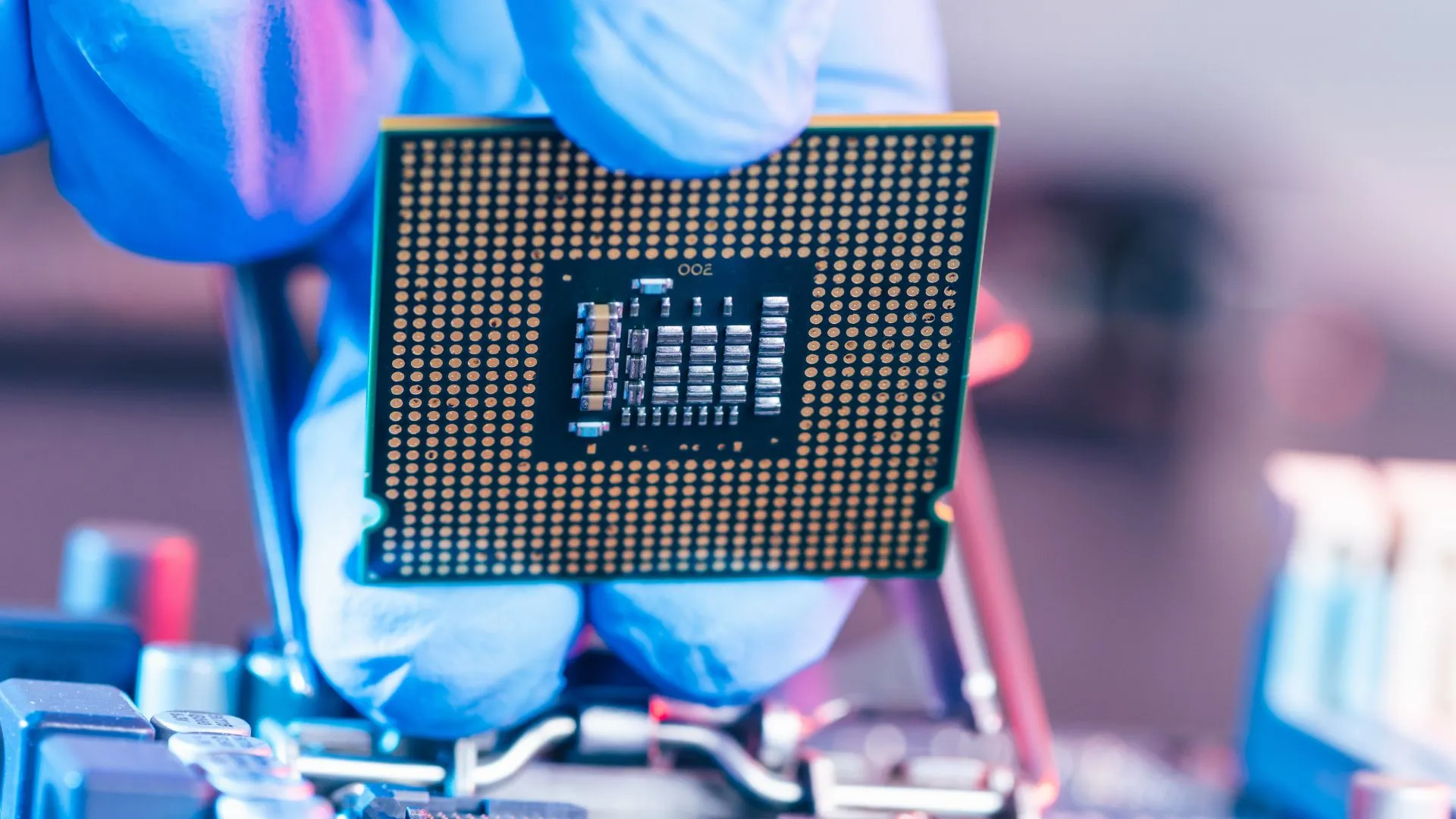
Huawei sets its sights on changing the global AI landscape with new chip
DepositphotosView 1 Image
1
/
1
Huawei sets its sights on changing the global AI landscape with new chip
DepositphotosChinese tech giant Huawei has made a bold move in the AI "race," announcing that its next-generation AI chip to rival current Nvidia models will be released as early as the start of 2027. This has the potential to release China from the restrictions the US has imposed on its AI development.
The launch of Huawei's compute-comparable next-generation Ascend 960DT AI chip has been moved from Q3 2027 to Q1, which may not mean much to a lot of us, but it's a big deal.
At the end of August 2022, theUS blocked Chinafrom accessing any new Nvidia technology. Because at the time, all Nvidia chip hardware was made at the Taiwan Semiconductor Manufacturing Company (TSMC) mega-factory. While protecting Taiwan's autonomy was cited as the main reason, in hindsight it feels like it was far more to do with a different geopolitical battle: the control of AI.
Skip forward to January 2025, and the launch ofChina's DeepSeek modeltook the world by surprise. It was powerful – but ran on old Nvidia compute technology. Less than three months later, Nvidia CEO Jensen Huang announced amassive shift in chip productionto the US.
Essentially, access to advanced chips unlocks AI computing power, which is really all you need to know. However, this has been increasingly referred to as amodern-day Cold Warbetween China and the US, even if both countries are runningcompletely different "arms races."
At this week'sHuawei Connect conference, the company announced it was moving the release of its new chip forward to early 2027, which has the potential to reshape China's AI ecosystem. Huawei's rotating and acting chair David Wang, in his keynote speech, revealed the new chip would surpass the power of previous models.
"We're evolving our Ascend chip series on a one-generation-a-year cycle," said Wang. "In 2028 and 2029, we will roll out the Ascend 970 and 980 chips, respectively. Thanks to the Tau Scaling Law, not only will their compute specifications continue to double, but you can also expect to see huge improvements across the board in terms of memory bandwidth, memory capacity, interconnect bandwidth, and more."
He also introduced Huawei's plan to power China's agentic AI (or AGI) world, which we haven't heard a lot about. You can read about ithere, but essentially it underpins how different the US is approaching the age of AI by comparison. While the focus has been on compute power in the West, with frontier companies likeOpenAIandAnthropicleading the way, Chinese engineers have had to design AI infrastructure differently with the chips they've had access to. So partly – not wholly – the ecosystem has prioritized open-source innovation.
However, even if 100,000 software-engineer brains may be better than the100 or socurrently at Anthropic, there are limitations that come down to hardware. This was revealed in aleaked call from DeepSeek founderLiang Fengweng with investors in July.
The Ascend 960DT chip, however, could change this.
We'll have to wait and see if it can match Nvidia's Blackwell GPU chip, which company founder Jensen Huang said this week isexpected to double in salesin 2027.
Interestingly, in his keynote conclusion, Wang noted that while AI "may well be the final technological revolution in human history," its advancement to benefit societies around the globe relies on collaboration, not techisolationism. "No single company," he said, "can build an intelligent world alone."
And even in the wake of news this week that China has opened the world's first "smart factory" whererobots build robots, people are reportedly much moreoptimistic about the future of AIand its impact on their lives, versus the US. This may be an overlooked aspect of the so-called AI arms race that could shape it as much as the technology itself.
Source:Huawei