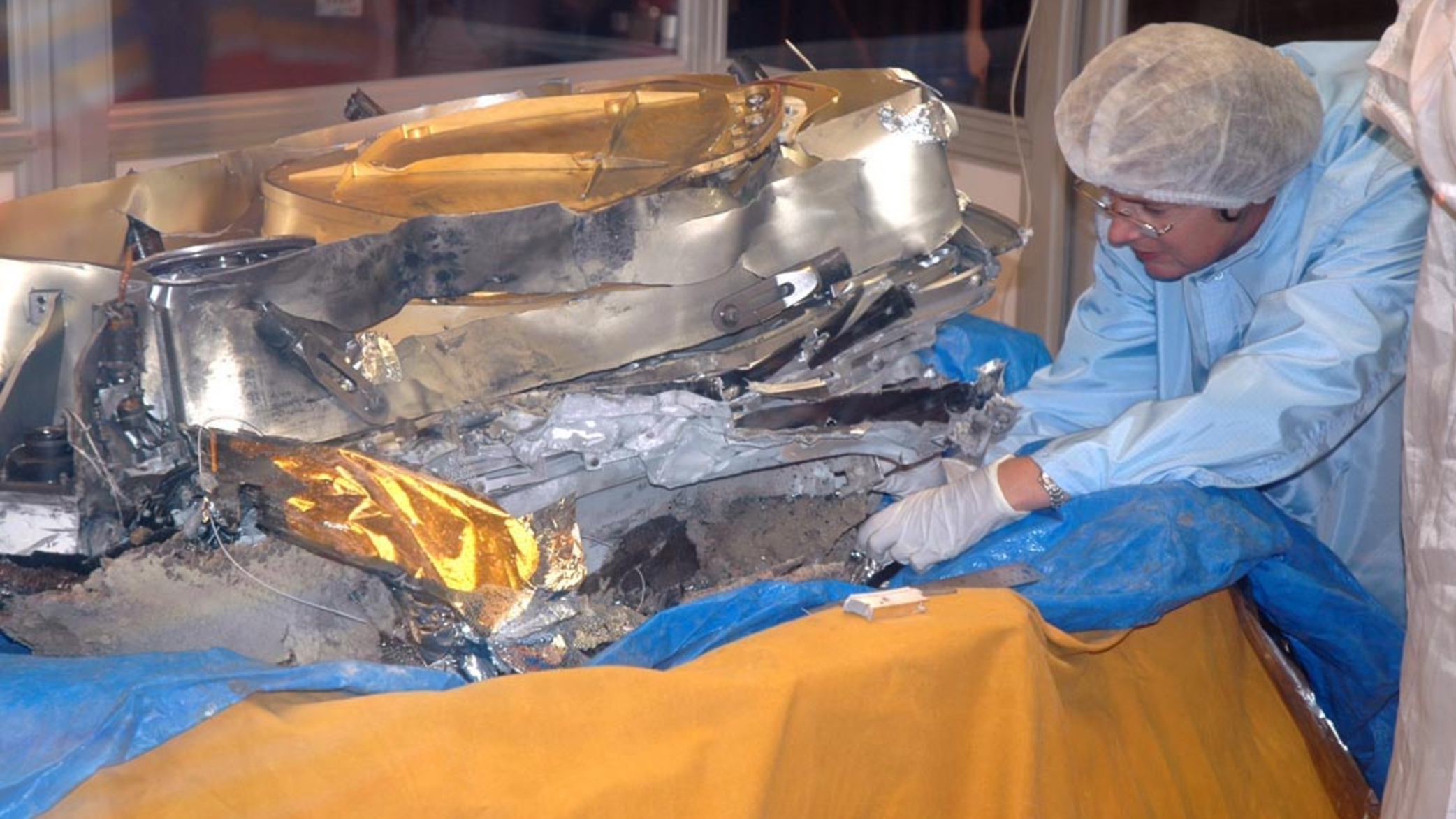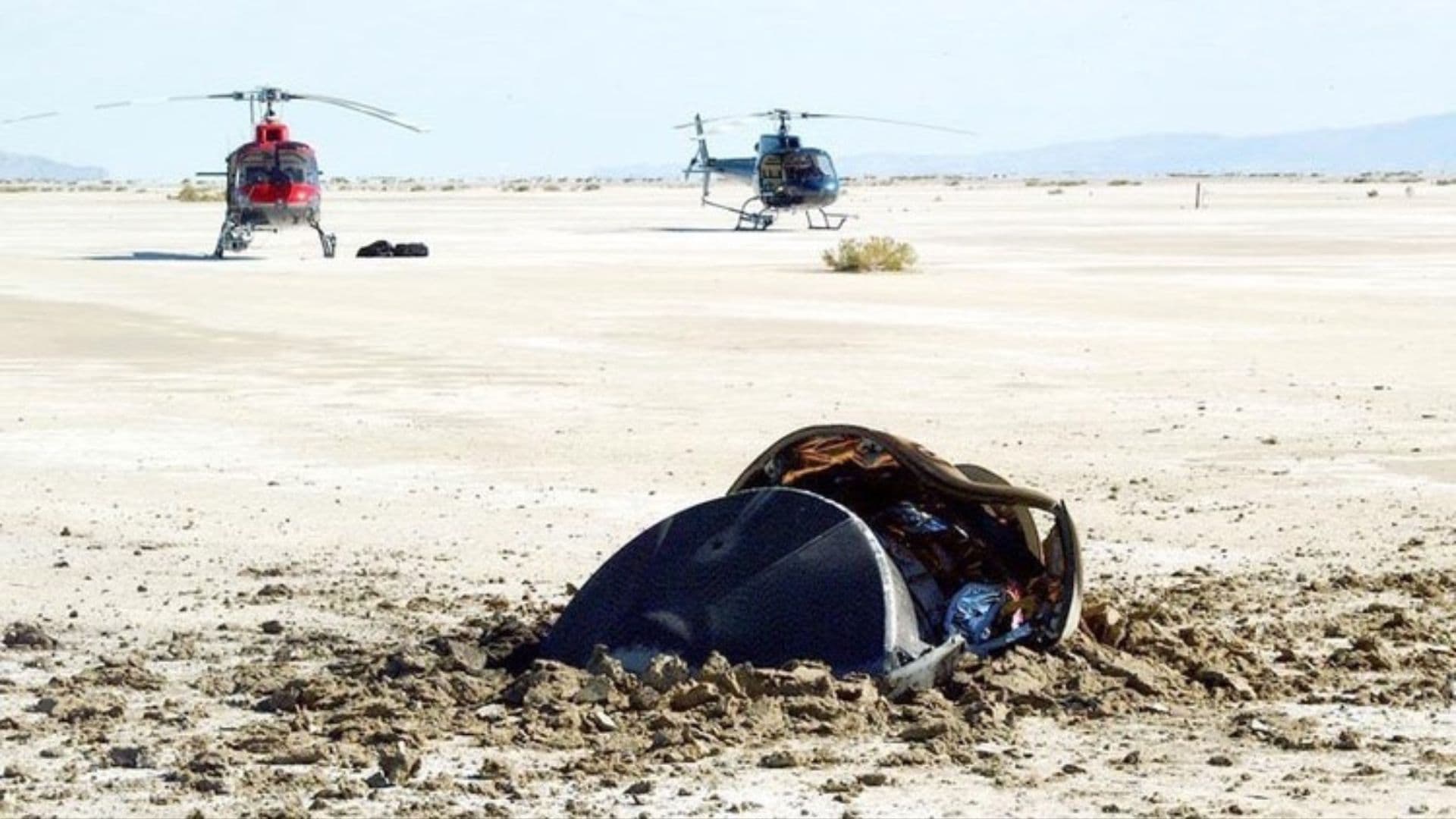
On Sept. 8, 2004, NASA'sGenesis spacecraftcrash-landed in Utah after its parachutes failed to deploy.
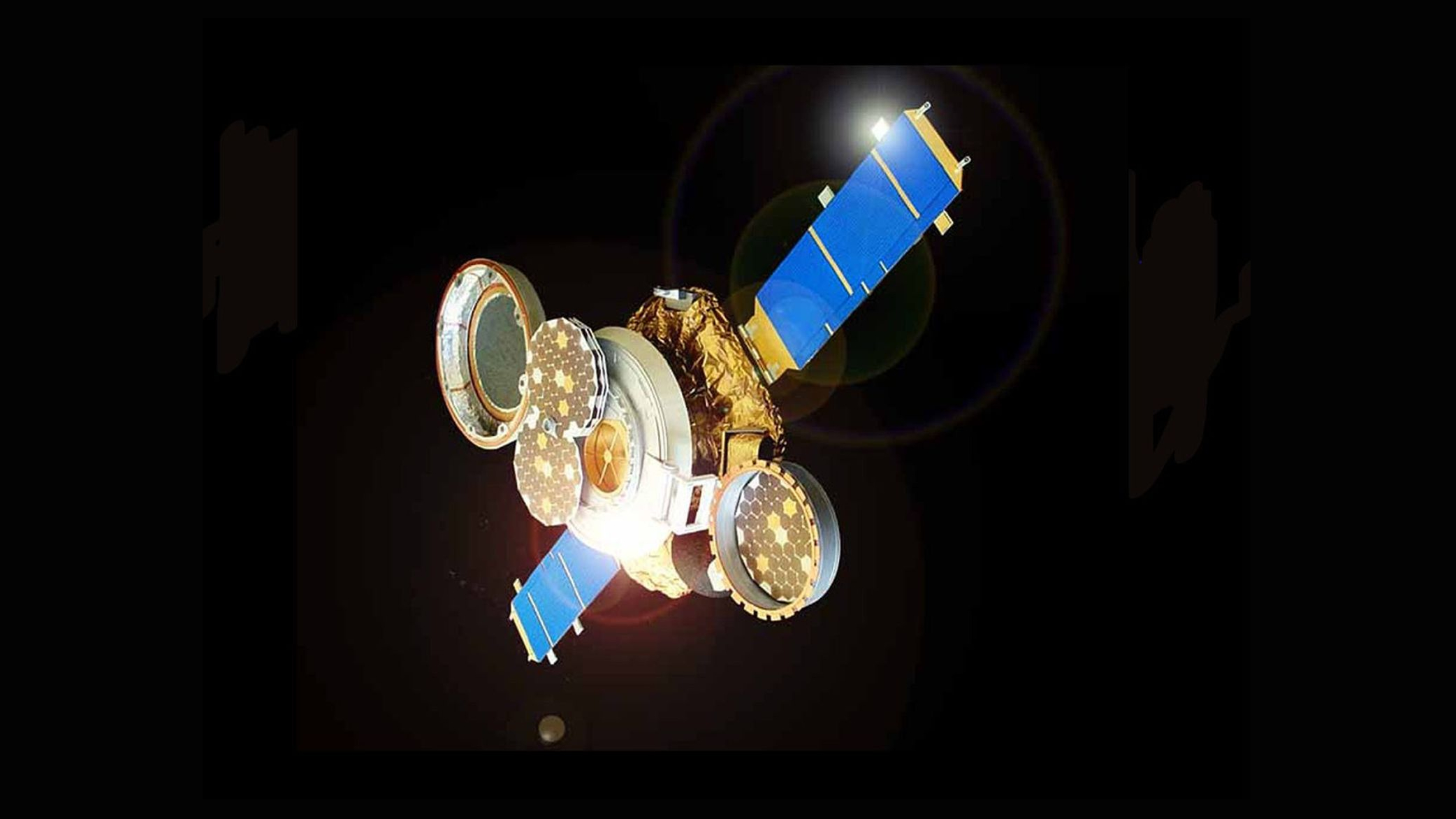
Genesis was NASA's first sample-return mission since theApollo program, and the first attempt ever to bring back samples from someplace farther than the moon. The spacecraft picked upsolar windparticles while orbiting the L1Lagrange point, which is about 1 million miles from Earth. L1 is a "sweet spot" between the Earth and the sun, where the gravitational pull from both objects balances out.
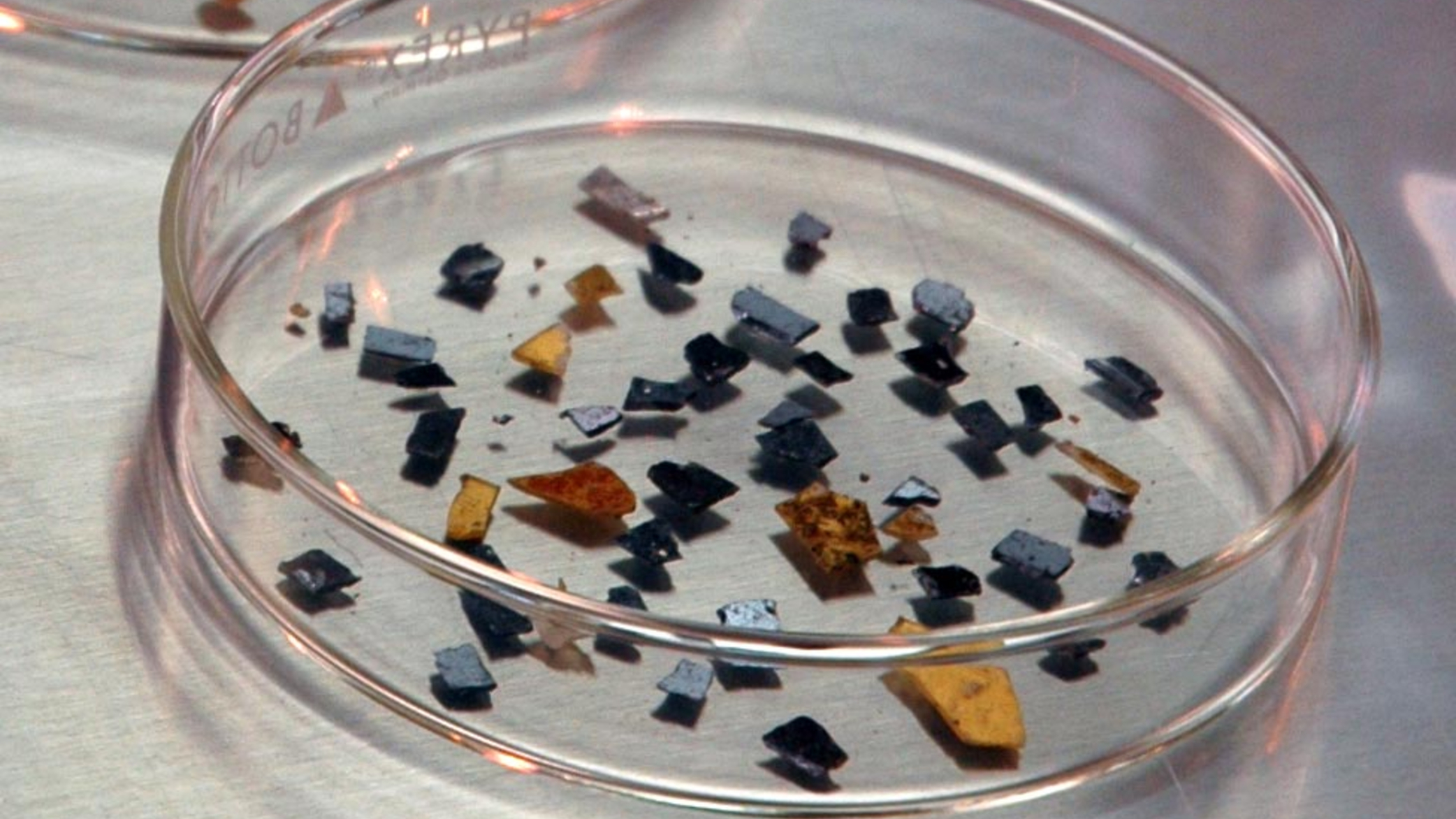
Genesis collected samples of the solar wind using arrays made of ultrathin semiconductors called "wafers." Atoms and ions floating around in space stuck to these wafers, and Genesis wassupposedto bring them back safely. But that didn't happen,because its parachute didn't work.
Instead, Genesis tumbled from the sky andslammed into the Utah desert. Scientists literally had to pick up the pieces after the wafers containing the solar wind samples shattered into thousands of tiny shards. Luckily, scientists were still able to salvage some of the samples.
Why it mattered
NASA's Genesis probe launched in August 2001 on a $264 million mission to collect samples of the solar wind. It was the first time NASA tried a sample-return mission since Apollo 17 in 1972 (which was a crewed flight), and this trip would be fully robotic.
In order to secure the Genesis solar wind samples safely, NASA opted for a tried and true approach for space retrieval:capturing a returning craft by the parachuteusing a helicopter. Similar techniques were used in the pastto collect spy satellite film from military satellites.
Image 1 of 3
Image 1 of 3
View Original
Image 2 of 3
View Original
Image 3 of 3
View Original
But adesign flaw in the parachute system, and a fairly basic one at that, doomed the Genesis spacecraft. Four gravity switches in the sample-return canister were installed backwards due to an error in the design schematics. It affected both the primary and backup parachute systems.
The switches were supposed to detect when Genesis began braking inEarth's atmosphereand trigger parachute deployment. That never happened, so the probe crashed into Earth instead.
NASA scientists were still able to glean some science fromthe shattered Genesis sample-return capsule, but the result was far from optimal, as you'd expect. The mishap also prompted reviews of NASA'sStardust comet sample return probe, which used the same type of gravity switches, but that spacecraft's switches were installed correctly and itmade a successful landing in 2006.
Happy Birthday, Star Trek!
Speaking of things flying through space. There was another event that occurred on this day in 1966 that - while not actually being in space - has influenced our concept of spaceflight for a decade.
On Sept. 8, 1966, the first episode of "Star Trek" debuted on television. The iconic science fiction series, which has spawned a myriad of spin-offs and feature films (not to mention all the merch), has inspired countless engineers, scientists and space fans over six decades.
TheStar Trek franchise celebrates its 60th anniversaryin 2026, and you can find ourStar Trek coverage here.
Want more space history? Check out ourfull On This Day In Space Story archiveand watch ourOn This Day In Space videos on YouTube.
On this day in space! Sept. 7, 1995: NASA launches its 100th astronaut flight
You must confirm your public display name before commenting
Please logout and then login again, you will then be prompted to enter your display name.
Contributing expert
Hanneke Weitering is a multimedia journalist in the Pacific Northwest reporting on the future of aviation at FutureFlight.aero and Aviation International News and was previously the Editor for Spaceflight and Astronomy news here at Space.com. As an editor with over 10 years of experience in science journalism she has previously written for Scholastic Classroom Magazines, MedPage Today and The Joint Institute for Computational Sciences at Oak Ridge National Laboratory. After studying physics at the University of Tennessee in her hometown of Knoxville, she earned her graduate degree in Science, Health and Environmental Reporting (SHERP) from New York University. Hanneke joined the Space.com team in 2016 as a staff writer and producer, covering topics including spaceflight and astronomy. She currently lives in Seattle, home of the Space Needle, with her cat and two snakes. In her spare time, Hanneke enjoys exploring the Rocky Mountains, basking in nature and looking for dark skies to gaze at the cosmos.
With contributions from
- Tariq MalikEditor-in-Chief