Twenty-five years after its debut, "Star Trek: Enterprise" holds a complicated legacy. It's the show that broke the mould in more ways than one.
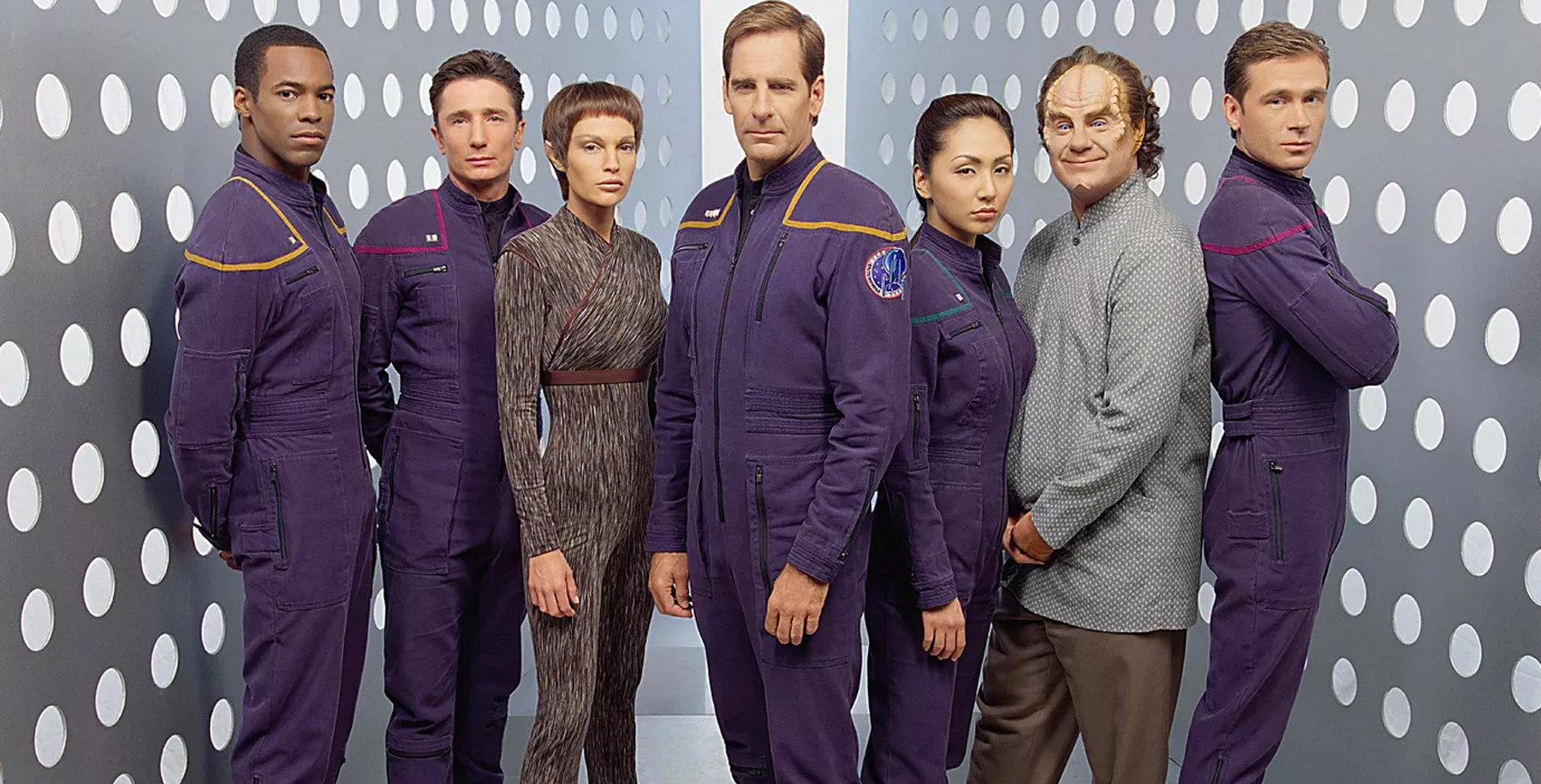
The Star Trek prequel series rewinds the story to a century before Captain Kirk beamed his way into our hearts, focusing on the crew led by Captain Jonathan Archer (played by the highly underrated but supremely talented Scott Bakula), who commands the very firststarshipEnterprise(NX-01). The show explores the rich frontiers of canon, creating narrative threads to expand and accentuate the people, planets, and purpose ofthe Star trek universe.
And yet, right out of the gate, "Enterprise" made controversial and unpopular choices that had fans calling for its head in its first two seasons. By the time it found its footing in the third season and started to become the series everybody had hoped it to be, it only managed to last another outing before being decommissioned in 2005.
Latest Videos From
Space
View moreWatch full video here:
While a four-season run in the streaming era feels like a showrunner winning the jackpot, it was seen as a failure in those days – especially since the preceding Trek shows since 1987 had run for seven seasons each. "Enterprise" bucked the trend, and like Jonathan Frakes toldVariety: "Nobody wanted to be on a 'Star Trek' show that didn’t get to go to seven."
To be fair, "Enterprise" wasn't Mom and Dad's Star Trek. Even its theme song, "Faith of the Heart" by Russell Watson, generated outrage among the fandom. After all, how dare the franchise depart from its humble instrumental beginnings and have a human making mouth noises over the opening credits? What the heck is this:"Smallville"or "Charmed"?!
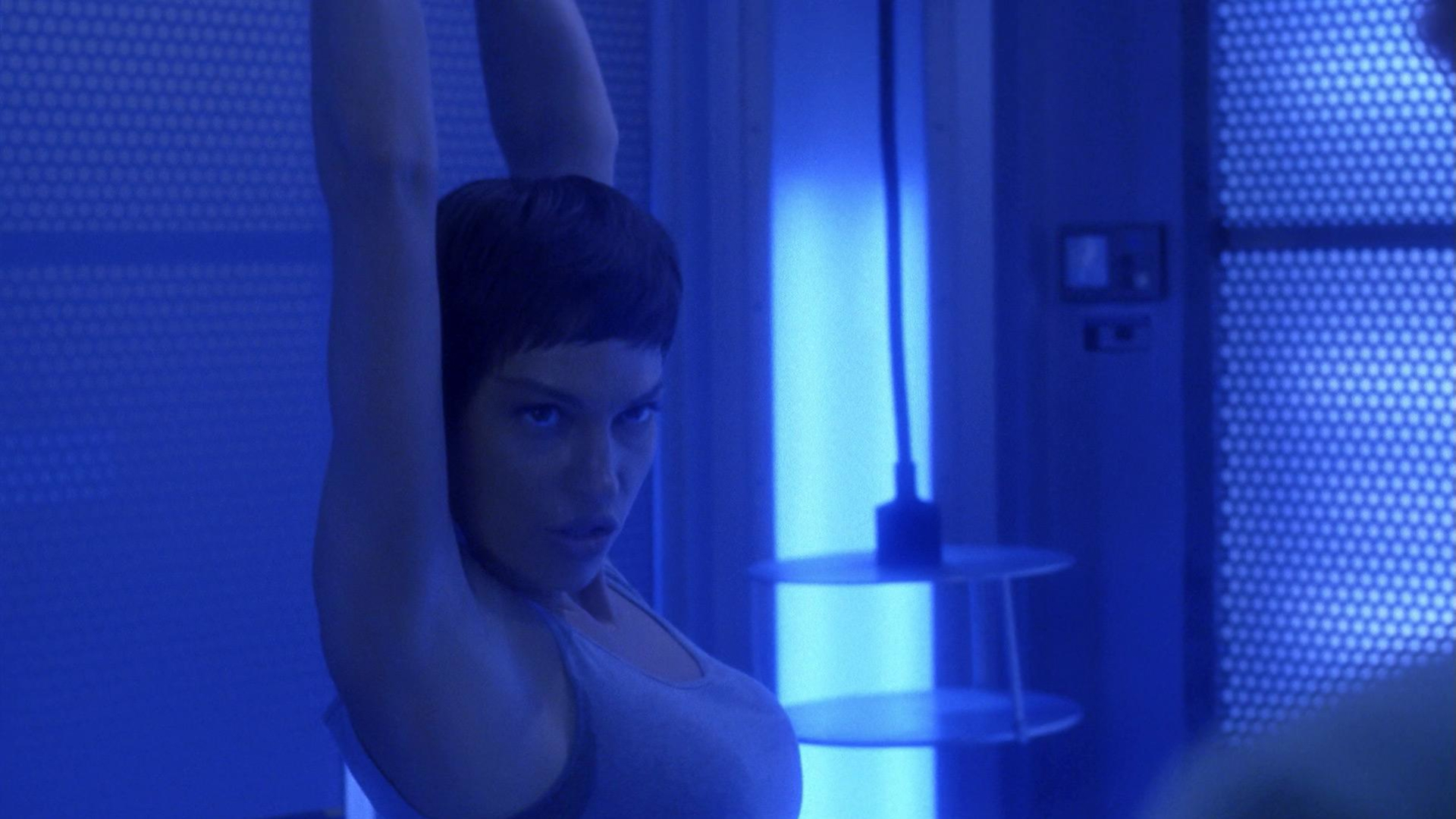
This was a big clue, though, that "Enterprise" wanted to do things a little differently than its predecessors. The theme wasn't the only new addition, as the show embraced the sultry approach of early 2000s TV. All of a sudden, there was a lot more skin on display, tighter costumes, and characters behaving like they couldn't wait to take things into horizontal warp drive.
These departures would have probably been excused had the show captured the imagination of the audience. Unfortunately, the excitement amassed from the excellent two-part debut "Broken Bow" – and the promising hook of the Temporal Cold War that would allow the series to operate as both a prequel and sequel – lost steam rather fast in the subsequent episodes.
By the second season, that potential and goodwill vanished as "Star Trek: Enterprise" fell back on mostly self-contained stories rather than the serialised approach popularised by the superb"Star Trek: Deep Space Nine". At this point in TV history, audiences had grown jaded by the monster-of-the-week style that every show used and abused, wanting more depth to their programming.
No one could fault the characters, though, with a cast that was interesting from the start. Archer was a compelling and different captain from those who came before him. Archer's dog, Porthos, deserved his own spin-off purely for being a Beagle and the goodest boy in the whole galaxy. T'Pol (Jolene Blalock) quickly became the second-best Vulcan in the franchise after Spock, and even Trip Tucker (Connor Trinneer) became so beloved that his death on the show still stings to this day and ended up being retconned in the franchise. Yet none of this mattered, as the show failed to live up to the lofty expectations of Trekkies.
The cast and crew weren't oblivious to the problems either, pointing the finger at the 26-episodes-a-season mandate, noting that it hampered the storytelling. "It gets hard to do 26 episodes that fully exploit the potential of the show," co-creator Brannon Braga said in the special"In Conversation – The First Crew". "By the middle of the second season, it was, like, let's either stop, or let's do something radical."
Braga explained how the third season was where everything finally clicked into gear and livened up the show. "Season 3 was the first time I was actually enjoying writing every single episode like it was, and I think it showed," he said.
Indeed, it did. The shorter seasons and different storytelling approach worked wonders. It started to actually feel like Star Trek, embracing bigger-stakes storytelling anddiving deeper into the lorebeyond Easter eggs and on-the-nose callbacks. It no longer felt like somebody milking the cow until the udders were raw.
It was like night and day jumping from the first half of the show to the second, but the declining ratings didn't help the cause. Too many people had given up and failed to return, regardless of the distinct improvement in quality. "Star Trek: Enterprise" didn't go out with a bang either, thanks to the frankly awful series finale, "These Are the Voyages…", which felt more like an excuse to revisit"Star Trek: The New Generation"than say goodbye to "Enterprise". Audiences didn't just dislike it – it was voted theworst episodein the franchise's history. In retrospect, Braga admitted it was an ill-advised conclusion to the story.
Understandably, there are mixed emotions when thinking back on "Enterprise". It's unlikely to be anyone's favourite Star Trek series, but it still deserves credit for taking creative risks. Some of them worked, while others failed spectacularly. The point is that it learned itslessonsand improved rather than go backwards, which is typically the trend with most TV shows.
Funnily enough, everything that's followed "Enterprise" has proven to be equally if not more divisive amongTrekkies. While showrunners try to juggle legacy and originality, fans continue to reject it when the series diverge too much from what made them love Star Trek in the first place. As with most franchise properties, nobody wants radical reinvention; all they want is a similar tone but with new stories and characters that honour the past and add something relevant to the lore.
"Star Trek: Enterprise" figured this out in its final two seasons. It understood that when playing in a popular sandbox, there are pre-established expectations and rules, but it took a long road, getting from there to here.
Once it accepted all of this, it boldly went… not to where no man has gone before, but at least to places that merit interest and appreciation.
Watch "Star Trek: Enterprise" on Paramount+.
Watch Star Trek: Enterprise on Paramount+:
Essential (ads):$8.99/mo or $89.99/yr
Premium (no ads):$13.99/mo or $139.99/yr
Freelance contributor
Sergio Pereira is a scriptwriter and entertainment journalist covering movies, TV, video games, and comic books. His work has appeared in Looper, /Film, CBR, Screen Rant, IGN, and SYFY Wire. Sergio lives in sunny Johannesburg, South Africa with a clan of Chihuahuas that rule his bed and life.
You must confirm your public display name before commenting
Please logout and then login again, you will then be prompted to enter your display name.