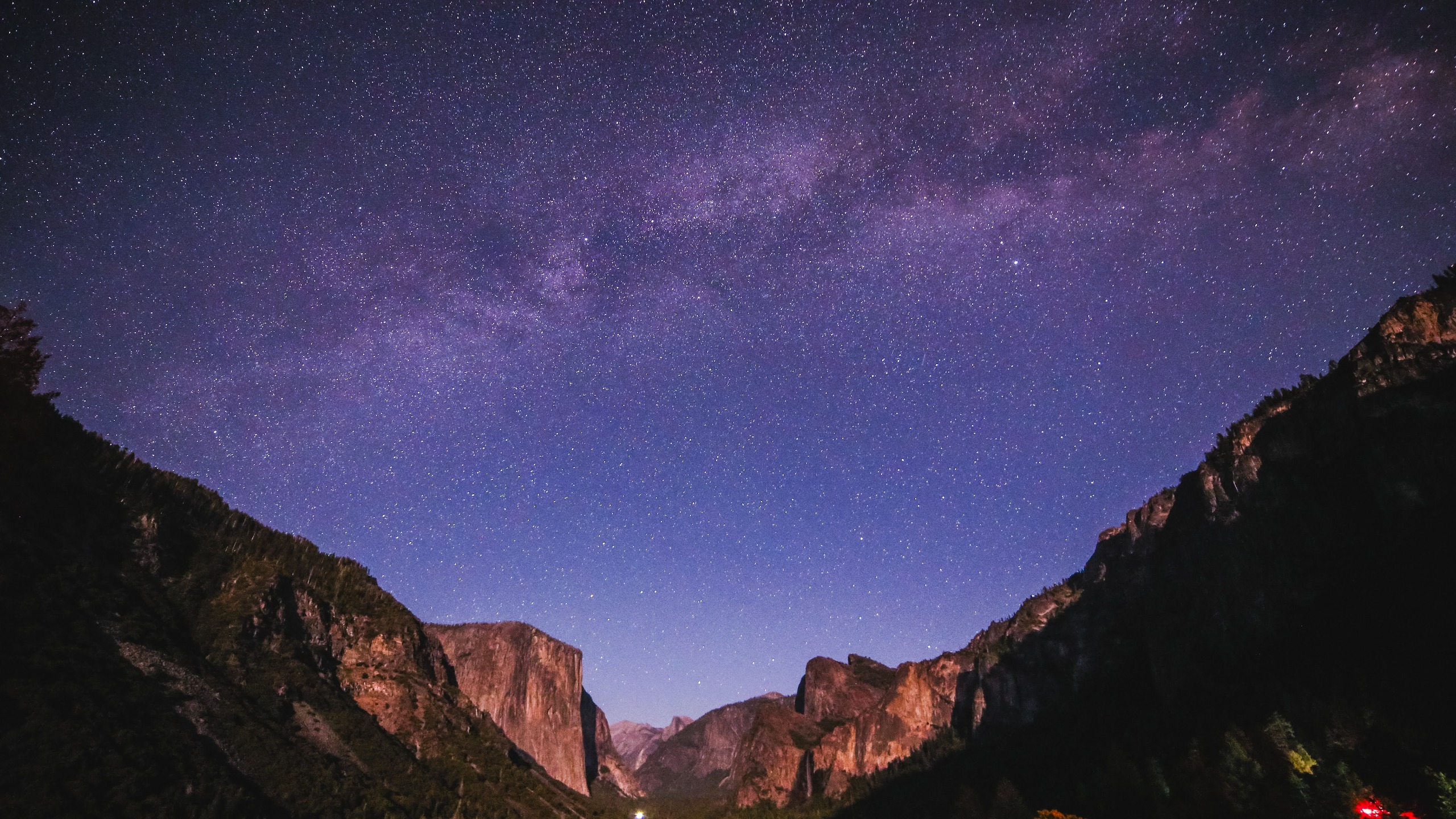
October offers many North American stargazers an unusually favorable combination: clear, transparent skies, comfortable temperatures, and views of both summer and winter constellations — before cloudier November weather arrives.
Why October skies stand out
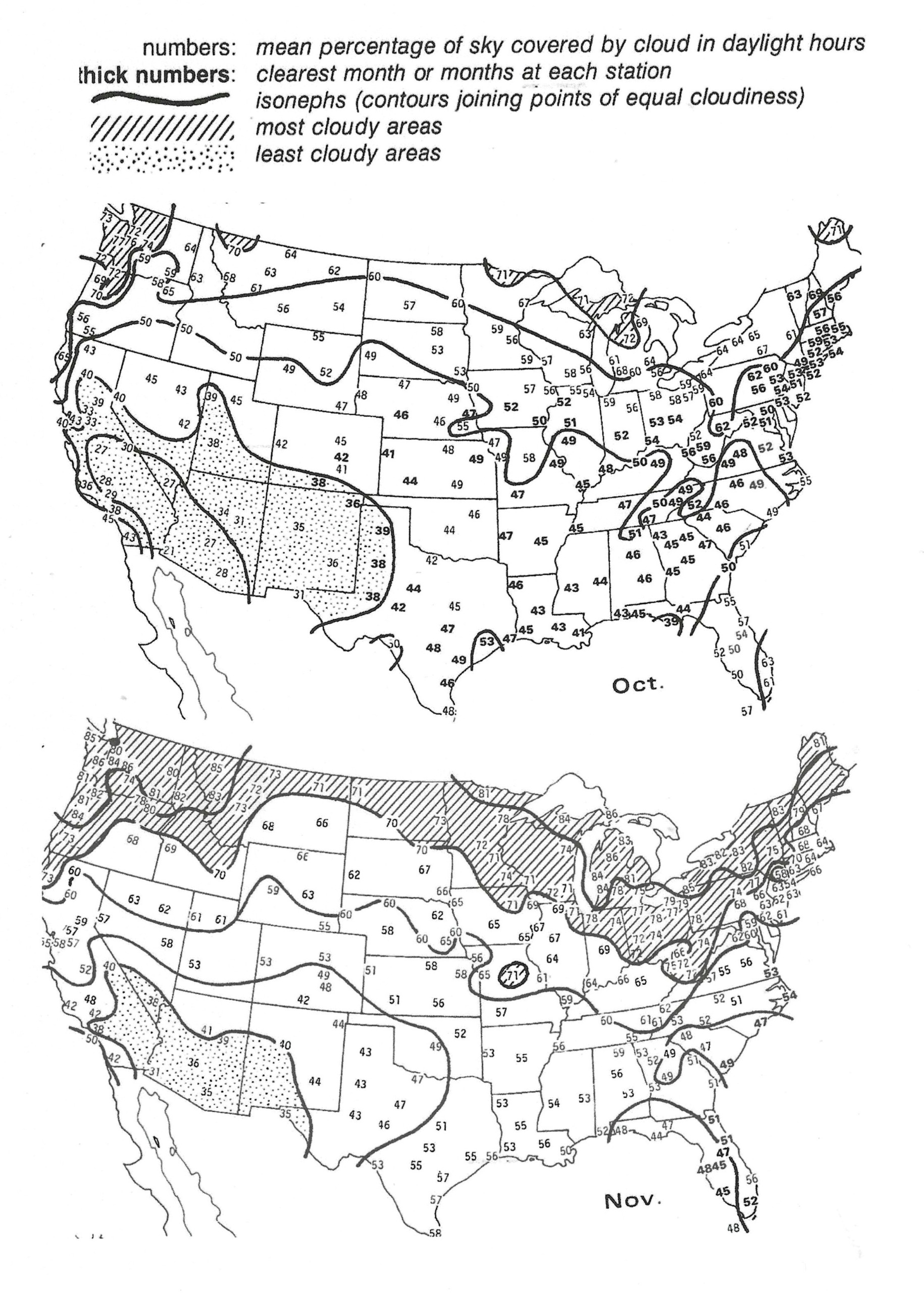
What month offers the clearest skies for stargazing? In the Pacific Northwest, the answer is generally July; in the Midwest, August; and across the Great Plains, conditions vary from July through October. The most striking pattern, however, appears across the broad region extending from New England south and west to the Gulf States and Texas, where long-term climatological records identify October as the clearest month by a wide margin. New York City, for example, typically records 12 clear days in October — more than in any other month. Eastern observers can thank high-pressure systems that migrate from the west and tend to stall and spread out near West Virginia during October.
But October offers more than clear skies. Its exceptional transparency can reveal faint stars near the threshold of naked-eye visibility. Strong cold fronts periodically dropping south out of Canada cleanse the atmosphere with showers before their arrival; after they pass, crisp, dry, clean air can bring several days of superb transparency. In contrast to the hazy skies of late summer, October often presents a richer, deeper blue by day and some of the year's finest observing conditions after dark.
October's nighttime temperatures are also relatively comfortable. Some evenings may feel chilly, but they are far more inviting than the near- or subfreezing conditions observers can expect a month or two later.
From summer stars to winter constellations
Moreover, October provides the best of both worlds: the summer sky remains on display after sundown, while the approach of dawn offers a preview of winter.
Right after sundown, the summerMilky Waystill stretches from nearly overhead toward the southwestern horizon. With binoculars, observers can sweep through the glittering star fields of Cygnus, the Swan, and continue down to the dazzling star clouds surrounding the center of our galaxy in Sagittarius, the Archer.
If you are awake before dawn, you can enjoy a preview of the midwinter sky. Orion, the Hunter, appears withTaurus, the Bull, Gemini, the Twins, blue-whiteSirius—the brightest of all stars — and yellow-white Capella, glowing almost directly overhead. Binoculars reveal the beautifulPleiadesand Hyades star clusters, while a telescope can show what many observers consider the sky's showpiece: the Great Orion Nebula, a vast cloud of glowing gas often described in stargazing guides as "one of the most wonderful telescopic objects in the heavens."
When November clouds move in
These views offer ample reason to dust off a telescope and spend time under the October sky. The contrast becomes even clearer when October gives way to November.
The 19th-century English poet Thomas Hood captured the character of November in his poem "November":
No sun - no moon!
No morn - no noon -
No dawn - no dusk - no proper time of day.
No warmth, no cheerfulness, no healthful ease,
No comfortable feel in any member -
No shade, no shine, no butterflies, no bees,
No fruits, no flowers, no leaves, no birds! -
November!
Hood's gloomy portrait is literary, but the climatological record supports its central contrast with October.
For stargazers, Hood's words capture a real decline in observing conditions. Across much of North America, clear-sky coverage drops rapidly as October gives way to November, beginning a prolonged period of widespread cloud cover.
According to NOAA's Local Climatological Data for the United States, 98% of weather stations sampled have their cloudiest month fall between November and May.
Put another way, from November through April, roughly 25 to 35 percent of the United States experiences more than 70 percent cloud coverage during various months. In October, by contrast, such conditions are largely confined to small portions of Maine and the Pacific Northwest.
October's atmospheric downside
Even October, however, can occasionally be unkind to stargazers.
Unfortunately, the same cells of fair-weather high pressure that predominate during early fall in the East can sometimes work against stargazers. They tend to produce light winds which, combined with waning solar heating, can create a temperature inversion. A layer of stagnant warm air aloft then acts as a lid over the lower atmosphere, preventing man-made pollutants from dispersing upward and allowing smog to thicken during the late-night and early-morning hours. Just such an October weather pattern occurred 61 years ago, obscuring predawn views of the spectacularComet Ikeya-Sekifor most observers east of the Mississippi — an ironic fate for the most brilliant comet of the 20th century.
Joe Rao serves as an instructor and guest lecturer at New York'sHayden Planetarium. He writes about astronomy forNatural History magazine,Sky and Telescope,The Old Farmer's Almanacand other publications.