Sign in
Welcome! Log into your account
Forgot your password? Get helpPrivacy PolicyPassword recovery
Recover your password
A password will be e-mailed to you.
GEN – Genetic Engineering and Biotechnology NewsHomeMultimediaLearning LabsAdvancing AAV Development: From Production to Performance
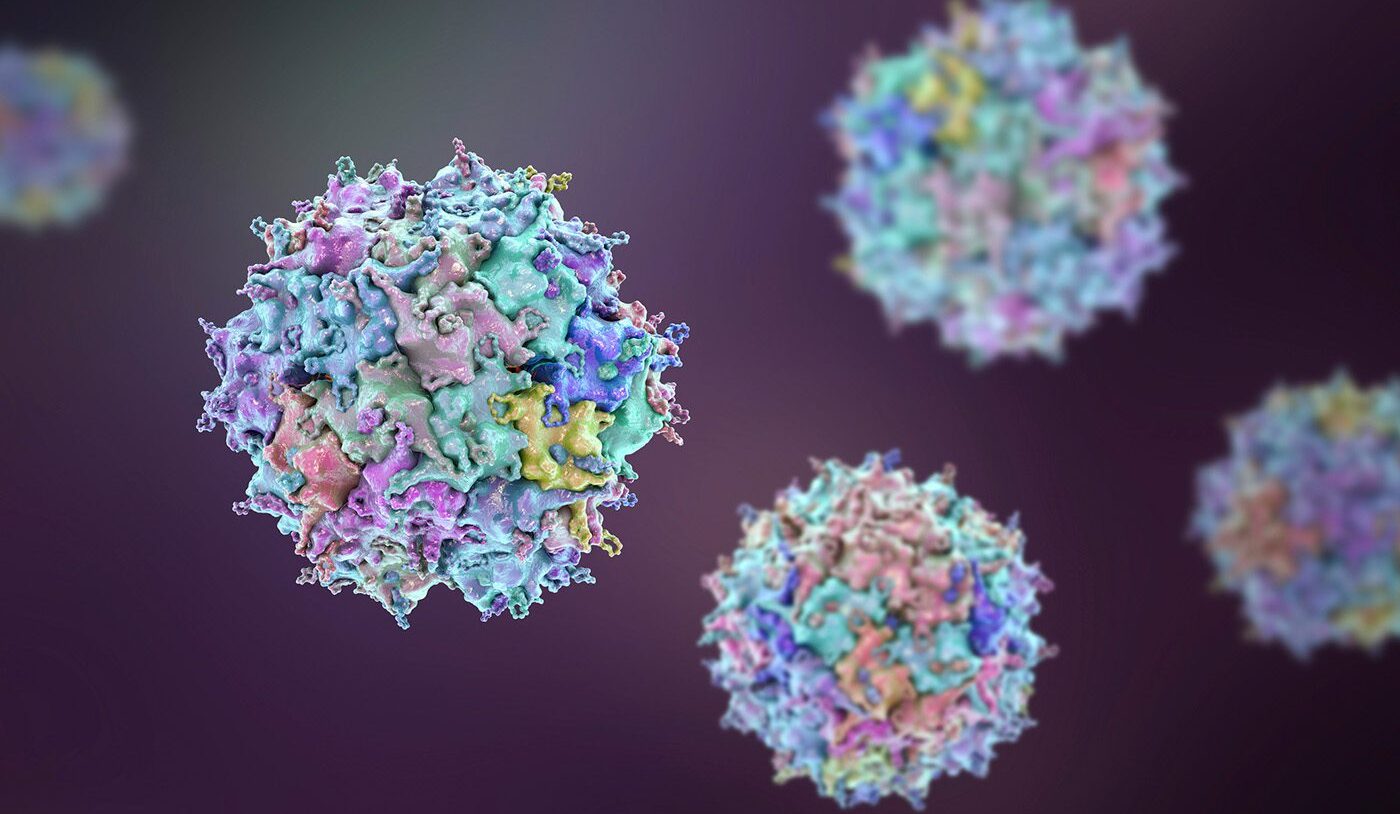
Credit: Kateryna Kon / Science Photo Library / Getty Images
Thomas Quinn
R&D Group Leader
Takara Bio USA
Panelist
Thomas Quinn
Thomas Quinn earned a BS in zoology (genetics) from Michigan State University and an MS in molecular medicine and genetics from Wayne State University, where his thesis involved viral vector development for CAR T therapies targeting melanoma and lung cancers. Since 1998, he has led the viral delivery R&D group at Takara Bio USA, focusing on high-efficiency viral delivery systems (adenoviral, retroviral, lentiviral, and AAV) and CRISPR/Cas9 genome editing products.
Guangping Gao, PhD
Professor and Chair
Dept. of Genetic and Cellular Medicine
UMass Chan Medical School
Panelist
Guangping Gao, PhD
Guangping Gao, PhD, is an internationally recognized gene therapy researcher who played a key role in the discovery and characterization of a new family of adeno-associated virus (AAV) serotypes, which was instrumental in reviving the gene therapy field. His scientific research career has primarily focused on molecular genetics and viral vector gene therapy of rare genetic diseases, encompassing disease gene cloning, causative mutation identification, pathomechanism investigation, animal modeling, novel viral vector discovery, and engineering forin vivogene delivery, vector biology, preclinical and clinical gene therapy product development, viral vector manufacturing for preclinical and clinical gene therapy applications as well as technology platforms development as novel approaches for human gene therapy. He has also co-founded several gene therapy companies.
Broadcast Date:Wednesday, October 21, 2026
- Time:08:00 PDT, 11:00 EDT, 15:00 GMT
Technologies for adeno-associated virus (AAV) development are advancing rapidly, driven by innovations in vector engineering and production. New insights into vector quality and performance are supporting the development of new strategies and tools for AAV workflows. These include advances in capsid engineering and workflow standardization—which are accelerating the development of more effective gene therapies.
In thisGEN Learning Lab, our expert panelists Guangping Gao, PhD, and Thomas Quinn will explore critical steps in the AAV workflow that influence vector quality and downstream experimental success. The discussion will highlight advances in purification and recovery strategies, followed by approaches for accurate AAV titration and vector characterization to support reproducible research and scalable AAV production. The panelists will also discuss innovations in next-generation AAV designs that are empowering researchers to improve gene delivery performance and expand the potential of gene therapies.
Key takeaways include:
- Practical approaches to overcoming challenges in AAV purification, titration, and downstream analysis
- Best practices for AAV production and workflow standardization
- Emerging technologies that support reproducible and scalable AAV production workflows
Produced with support from:
Also of Interest
Asahi Kasei Introduces VANTIJ®SU-VFC Benchtop Virus-Filtration SystemPrime Assembly Expands Genome Editing with Precise, Large-Scale DNA Integration10 CDMO Up & Comers 2026AI Accelerates Biomanufacturing from Discovery to TranslationPurifying Complex Therapeutics Requires Fresh ApproachesGene Therapy Extends Lifespan and Reduces Symptoms in Sandhoff Disease Cat ModelRelated Media
Bye, Bye, Baltimore:GEN’s Takeaways from ASGCTAddressing Barriers in Gene TherapyBIO CEO Rachel King Outlines Industry's Challenges on "Close to the Edge"Materials Sourcing: Precautions and Improvements for Cell and Gene TherapiesShehnaaz Suliman, MD, MPhil, Discusses Targeted Respiratory Therapies on "Close to the Edge"Part II: LEXEO CEO R. Nolan Townsend Discusses Pioneering Alzheimer’s Gene TherapyCopyright © 2026 Sage Publications or its affiliates, licensors, or contributors. All rights reserved, including those for text and data mining and training of large language models, artificial intelligence technologies, or similar technologies.
MORE STORIES