Sign in
Welcome! Log into your account
Forgot your password? Get helpPrivacy PolicyPassword recovery
Recover your password
A password will be e-mailed to you.
GEN – Genetic Engineering and Biotechnology NewsHomeWebinarsUpcomingAdvancing Cell Therapy for Cardiovascular Disease
Credit: sorbetto / Getty Images
Joshua Michael Hare, MD
Founding Director,
Interdisciplinary Stem Cell Institute
University of Miami
Miller School of Medicine
Panelist
Joshua Michael Hare, MD
Joshua Hare, MD, is a board-certified practicing cardiologist and holds the Louis Lemberg Professorship of Medicine at the University of Miami Miller School of Medicine. Hare currently serves as the founding director of the Interdisciplinary Stem Cell Institute at the University of Miami. He is widely published and has authored or co-authored over 450 articles. Hare has pioneered the use of cells as medicines for human heart disease, Alzheimer’s disease, stroke, and diseases of aging. His research has been funded by the National Institutes of Health and the Department of Defense, and he currently oversees multiple clinical trials using cell and gene therapy to treat human ischemic and non-ischemic cardiomyopathy. Hare is an inducted member of the American Association of Physicians and the National Academy of Inventors.
Broadcast Date:Thursday, October 15, 2026
- Time:08:00 PDT, 11:00 EDT, 15:00 GMT
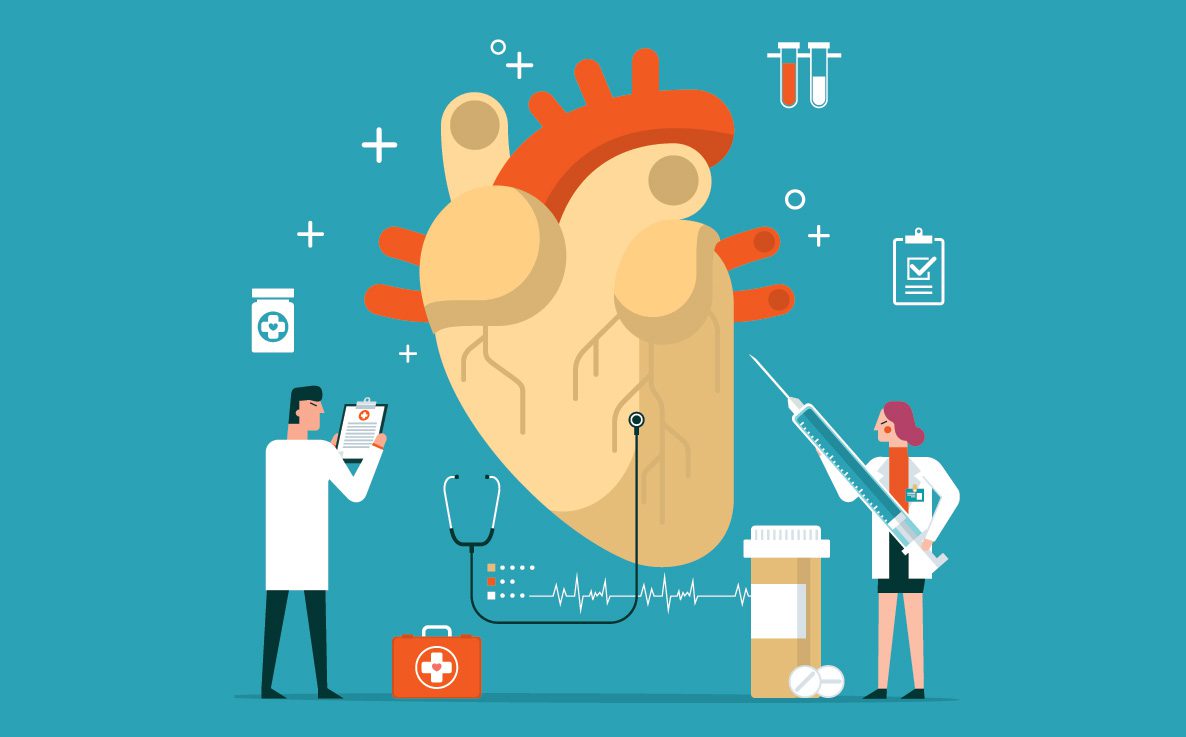
Cardiovascular diseases offer a compelling opportunity for regenerative and cellular therapies that can repair damaged tissue, promote vascularization, modulate inflammation, or restore cardiac function. However, translating research advances into meaningful therapeutics requires connecting a strong biological rationale with appropriate cell types, indications and therapeutic strategies, and patients who are most likely to benefit.
In thisGENwebinar, our expert speaker will examine how therapeutically relevant research is helping shape the development of cell therapies for cardiovascular disease. His presentation will cover strategies for selecting indications, biological targets, and cell types based on disease pathophysiology and unmet clinical need. Attendees will also learn about the path from laboratory research to clinical investigation, including considerations around cell delivery and patient selection, and the clinical endpoints needed to evaluate safety and therapeutic benefit.
A live Q&A session will follow the presentation offering you a chance to pose questions to our expert panelist.
Produced with support from:
Also of Interest
Emerging Trends in Fluid Transfers and Freeze-Thaw WorkflowsStockWatch: Novo's 2030 Strategy Underwhelms Investors at Capital Markets DayGenes Involved in Flatworm Brain Regeneration IdentifiedH5N1 Spreads Among Australian Wildlife as Flu Season Ramps UpPrecure Selects Helix as Multiomics Lab and AI Tools ProviderAndelyn Curator Biomanufacturing Platform Supports Fayuvi Gene Therapy ApprovalRelated Media
Data Integrity as the Foundation for AISmall Molecules, Big Expectations: How CDMOs Are Helping Sponsors Navigate Complexity, Speed, Scale-Up, and SustainabilityBeyond the Technology: AI Readiness in Regulated LaboratoriesEnablingIn VivoLentiviral Therapies: Manufacturing Strategies to Improve Purity, Scalability, and Clinical ReadinessAACR 2026 Video Update: Cancer Research Edges Toward an AI-Driven EraAACR 2026: A Video Update from San DiegoCopyright © 2026 Sage Publications or its affiliates, licensors, or contributors. All rights reserved, including those for text and data mining and training of large language models, artificial intelligence technologies, or similar technologies.
MORE STORIES