Genome Mapping Reveals Autoimmune Disease Risk Genes in Innate Lymphoid Cells
A new study published inNature Geneticssuggests that looking beyond the nearest gene may be essential for understanding how immune disease risk variants act in rare immune cells.
The paper, “High-resolution promoter interaction analysis implicates genes involved in activation of type 3 innate lymphoid cells in immune disease risk,” was co-led by researchers at Cincinnati Children’s Hospital, the MRC Laboratory of Medical Sciences, Imperial College London, along with collaborators. The team mapped long-distance DNA interactions in type 3 innatelymphoidcells, or ILC3s, a rare population of tissue-resident immune cells enriched in the gut, airways, and mucosal lymphoid tissues.
ILC3s help regulate inflammation and maintain barrier integrity, but their rarity has made them difficult to study with conventional genome-organization methods. Many approaches for mapping chromosomal contacts require millions of cells, limiting their use in cell types that may be particularly relevant to disease.
“This work opens the door to studying long-distance DNA interactions in rare immune cells,” says Stephen Waggoner, PhD, scientist in the Center of Autoimmune Genomics and Etiology at Cincinnati Children’s. “Until now, most methods required millions of cells, which limited what we could learn from the cell types most relevant to disease.”
To address that limitation, the investigators used a low-input, high-resolution Promoter Capture Hi-C (PCHi-C) approach to map promoter-anchored chromosomal contacts in primary human ILC3s, alongside CD4+ T cells. They then combined those maps with genome-wide association study data using a Bayesian framework, multiCOGS, to connect Crohn’s disease risk variants with the genes they are most likely to regulate.
The analysis linked Crohn’s disease risk variants to more than 100 candidate genes in ILC3s, including both known inflammatory bowel disease genes and less expected candidates. Among the latter was
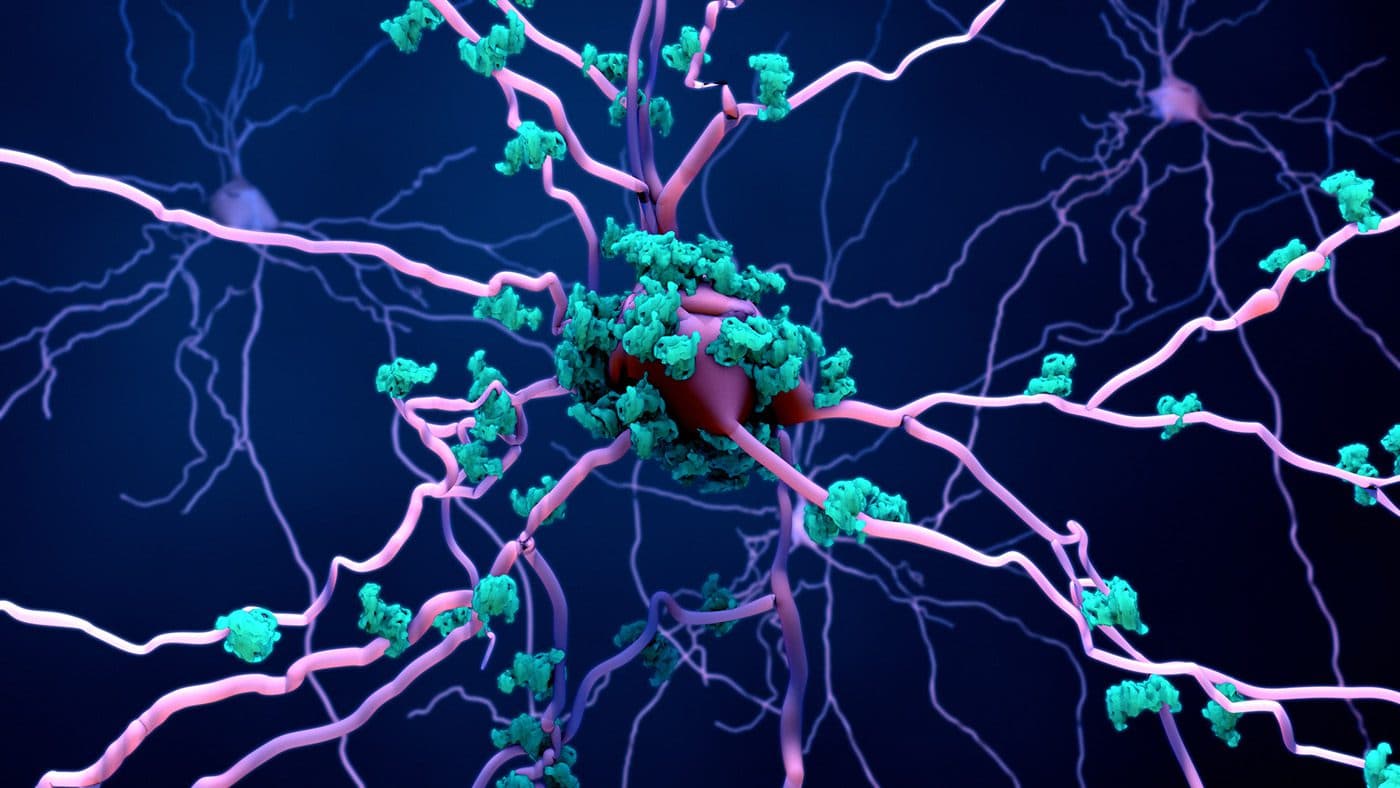
CLN3, a gene best known for its role in Batten disease, a rare neurodegenerative disorder.
“While some disease risk variants act on the genes nearest to them, others do not, so if we only look at the nearest gene, we may get the underlying mechanisms wrong,” says Mikhail Spivakov, PhD, head of the Functional Gene Control Research Group at MRC Laboratory of Medical Sciences. “What is more, the patterns of genome folding differ across cell types, so it is important to study the 3D connections between variants and the genes they control in the cells that are relevant for the disease.”
Follow-up experiments in a mouse ILC3-like cell line supported a possible role forCLN3in regulating inflammatory activity. According to the paper,CLN3was downregulated after cytokine stimulation, while increasingCLN3expression altered stimulation-induced transcriptional programs and cytokine secretion. The findings do not establishCLN3as a causal gene in Crohn’s disease, but they point to a potential immune-related function for a gene more commonly discussed in the context of neurodevelopmental disease.
The researchers also extended the approach to five additional autoimmune conditions, generating a catalog of ILC3-linked risk genes. These genes were enriched for regulators of the ILC3 inflammatory response identified in a CRISPR interference screen.
The next steps appear to include clarifying howCLN3influences immune-cell function, testing whether the pathways identified in ILC3s can help explain disease mechanisms, and applying the low-input mapping strategy to other rare cell types that have been difficult to study. “Studying genetic regulation in rare cell types allows us to move closer to mechanism, not just association, and that’s essential for making genetic findings meaningful across medicine,” says Waggoner.
NewsAutoimmune diseasesCrohn diseaseDNA biologyGenesGenetic variantsGenome-wide association studiesLymphoid tissueMolecular biologySurgical proceduresPrevious article
Combined Phage Therapy and FMT Reduces Recurrent UTIs and Antibiotic Use in First Human Case SeriesNext article
NSF-Funded Test Bed Lets Researchers Program Automated Biomanufacturing WorkflowsAlso of Interest
10 CDMO Up & Comers 2026Regenerative Medicine in the Bronze Age: MSCs and MSC-EVs Leading the WayMolecular Pathways Driving Autoantibody Production Following SARS-CoV-2 Infection IdentifiedDANDELION Computational Tool Identifies Previously Unknown Asthma-Related Genes and PathwayAI Identifies Pre-existing Antimicrobial Antibody Profile That May Predict Immune Response to VaccinationIs Targeted Protein Degradation the “Break” Neurology Needs?Related Media
From Functional Genomics to Cell Therapy: The Role of CRISPR-Based Gene EditingAvak Kahvejian, PhD, Recounts His Journey from Sequencing Pioneer to Flagship General Partner on "Close to the Edge"Celebrating DNA: Matthew Cobb's Reflections on the Double HelixThe Sun Sets on AGBT: A Report from the Last DayCRISPR-Cas9 Alternatives: Cutting through the Boundaries of Gene EditingHelen Sabzevari, PhD, of Precigen Connects Cancer and the Immune System on "Close to the Edge"Top 5ResourcesRecommended For YouPodcast
Touching Base
Touching Base is the dynamic podcast series from the editors ofGEN. Each episode features a rotating case of senior editors—including John Sterling, Kevin Davies, Julianna LeMieux, Alex Phillippidis, Uduak Thomas, Corinna Singleman, and Fay Lin—who delve into emerging stories, exchange ideas, and debate the latest trends in biotech. Additionally, they talk to some of the leading voices in the industry about what's now and next.Start listening today!
Stay up to date with the lasted episodes of Touching Base bysubscribing to theGENPodcast Newsletter