Sign in
Welcome! Log into your account
Forgot your password? Get helpPrivacy PolicyPassword recovery
Recover your password
A password will be e-mailed to you.
GEN – Genetic Engineering and Biotechnology NewsHomeWebinarsUpcomingOne Standard, Multiple Platforms: ICH Q2(R2) Qualification of Host Cell Protein Analysis...
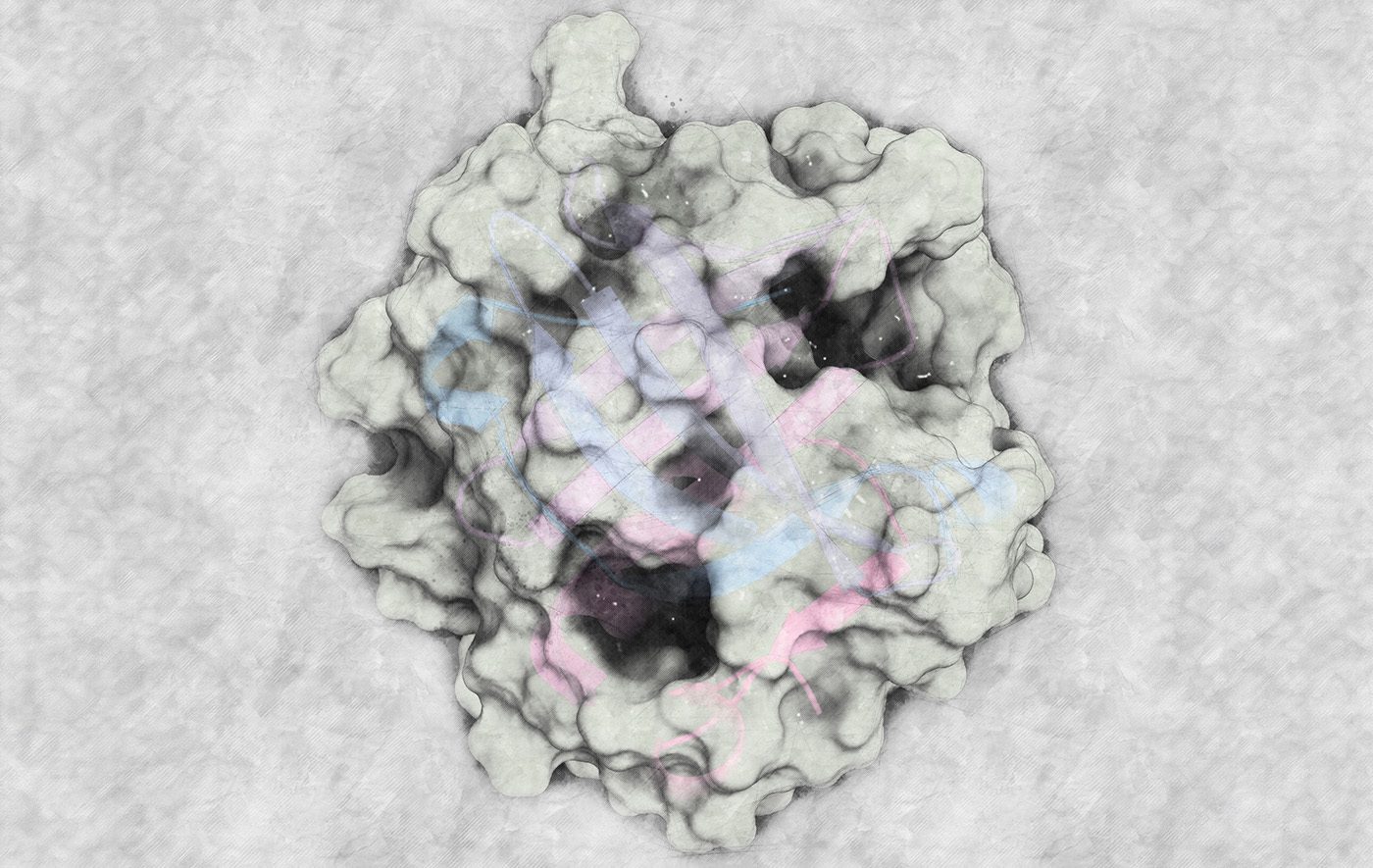
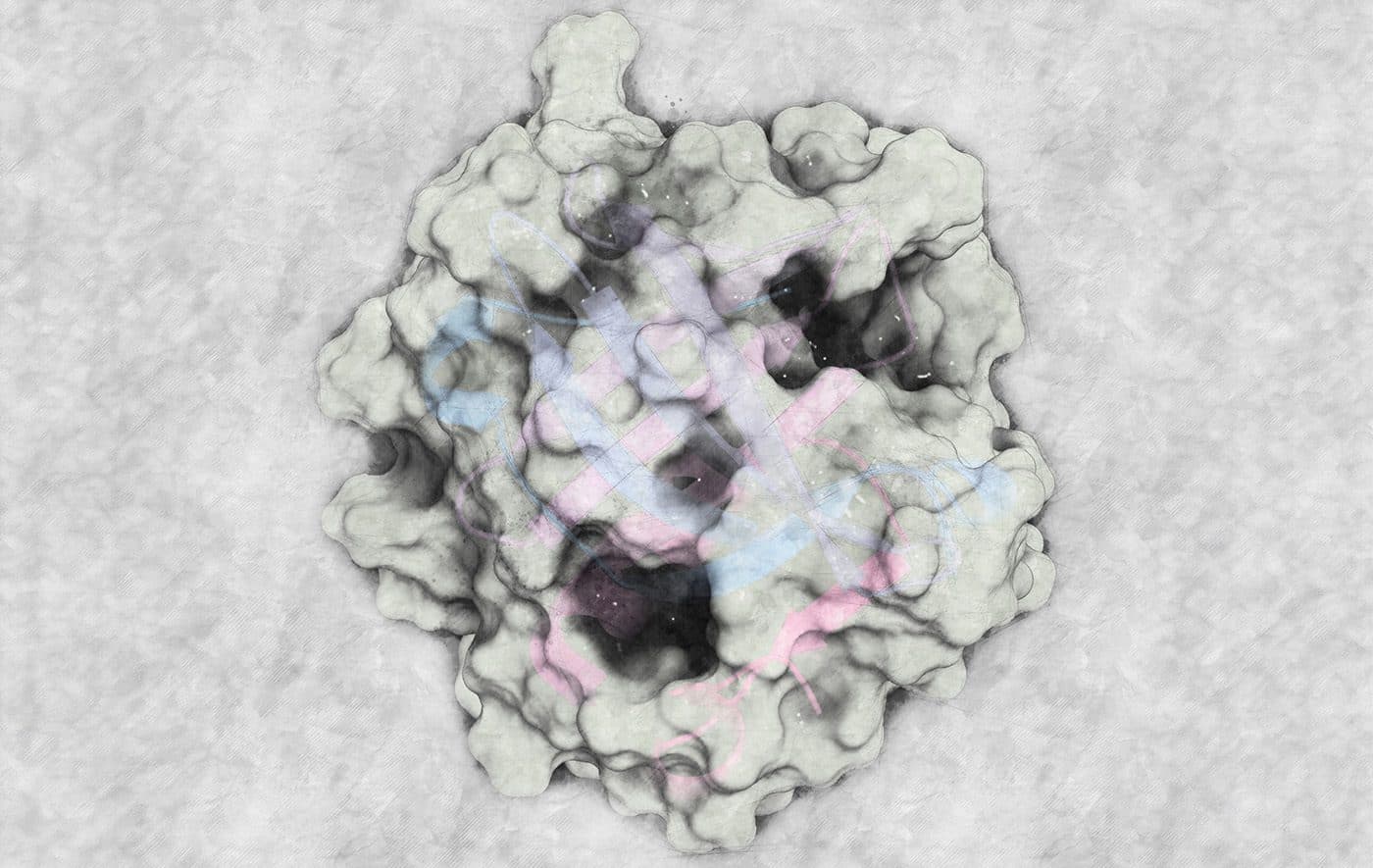
Credit: Wirestock / iStock / Getty Images Plus
Derrick Zhang
Senior Scientist II
United States Pharmacopeia (USP)
Panelist
Derrick Zhang
Derrick Zhang is a senior scientist II at the United States Pharmacopeia (USP), where he leads the development of strategies and standards supporting the analytical evaluation of monoclonal antibodies (mAbs) and therapeutic proteins, with deep expertise in Host Cell Protein (HCP) analysis and LC-MS proteomics. He holds an MS in biotechnology from John Hopkins University and an MBA from University of Maryland.
Ejvind Mørtz, PhD
Co-Founder and CSO
Alphalyse
Panelist
Ejvind Mørtz, PhD
Ejvind Mørtz, PhD, is co-founder and CSO of Alphalyse. Ejvind has a PhD in protein mass spectrometry from University of Southern Denmark and has more than 25 years of experience in development of protein analyses and mass spectrometry methods in the research and development of protein biologics.
Broadcast Date:Wednesday, September 30, 2026
- Time:08:00 PDT, 11:00 EDT, 17:00 CET
Two labs can analyze the same sample and report different Host Cell Protein (HCP) levels. With ELISA, the total number of HCP (ng/mg) is tied to the antibody reagent. With LC-MS, it is tied to whichever MS quantitation method the lab used. Neither result travels beyond the lab that generated it.
USP General Chapter <1132.1>Residual Host Cell Protein Measurement in Biopharmaceuticals by Mass Spectrometryhelped address the MS quantitation gap by defining HCP quantitation relative to a spiked-in intact protein standard. What the industry lacked was the protein itself: a single, consistently sourced material characterized well enough to serve as a common anchor across expression systems, biopharmaceutical modalities, and MS instrument platforms.
In thisGENwebinar, USP and Alphalyse present the work qualifying beta-lactoglobulin (LACB) as a cross-platform standard for LC-MS/MS HCP analysis. LACB was characterized by intact mass, quantitative peptide mapping, and amino acid analysis, confirming a defined composition, an accurately assigned concentration, and greater than 99% purity. It was then qualified as a spike-in standard per ICH Q2(R2) across three host cell systems—CHO (monoclonal antibodies and recombinant fusion proteins),E. coli(recombinant proteins and vaccine antigens), and HEK293 (viral vectors and gene therapies)—meeting linearity, accuracy, precision, and specificity criteria across more than three orders of magnitude. Key takeaways from the webinar include:
- Why the choice of spike-in standard drives your HCP number as much as your acquisition method does
- What “well characterized” should mean for a material serving as an anchor across expression systems, modalities, and instrument platforms
- How to implement <1132.1> quantitation relative to spiked-in protein in your own workflow
- Where a common standard can change the conversation with regulators on impurity clearance
A live Q&A session will follow the presentations, offering you a chance to pose questions to our expert panelists.
Produced with support from:
Also of Interest
PD-L2 Blockade May Reduce Harmful Aging Cell BuildupChronic Interferon Exposure Linked to Immunosuppression in CancerManus and UT Austin Advance Biomanufacturing Product Recovery Through BioMADE ProgramTop 10 Contract Development and Manufacturing Organizations 2026Purifying Complex Therapeutics Requires Fresh ApproachesMonoclonal Antibodies Targeting MMP-9 Alleviate Peripheral Neuropathy in Diabetic MiceRelated Media
AACR 2026: A Video Update from San DiegoOmics in Orlando Day 2: A Video Report from AGBTRobots on the Red Line: A Video Update from SLAS 2026Reporting Live from JPM 2026: Alex Philippidis and Jonathan Grinstein, PhDBase Pairs in Beantown: A Video Update from ASHGIn Conversation with Visionary Geneticist George ChurchCopyright © 2026 Sage Publications or its affiliates, licensors, or contributors. All rights reserved, including those for text and data mining and training of large language models, artificial intelligence technologies, or similar technologies.
MORE STORIES