New Spectrometry Technique Could Aid Formulation Development
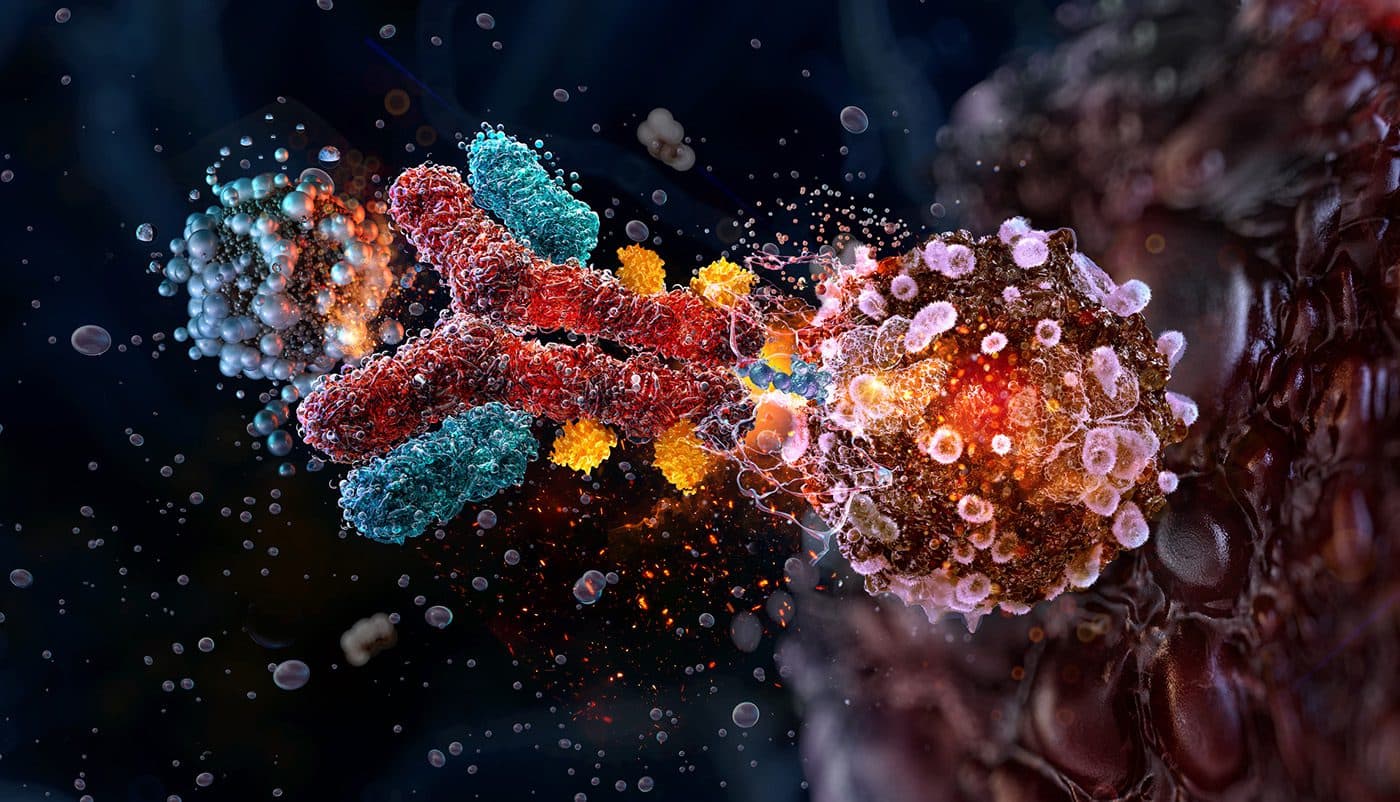
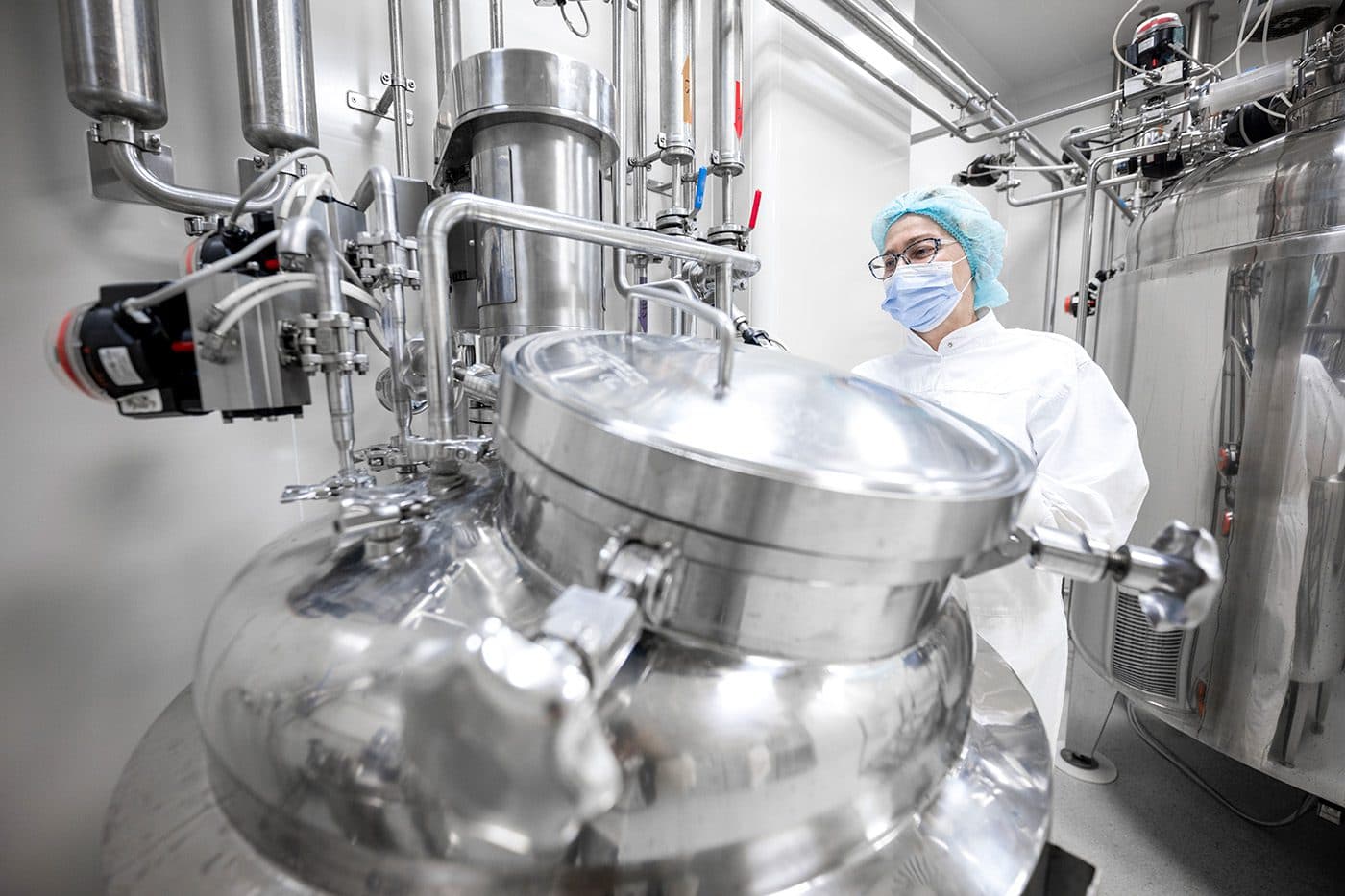
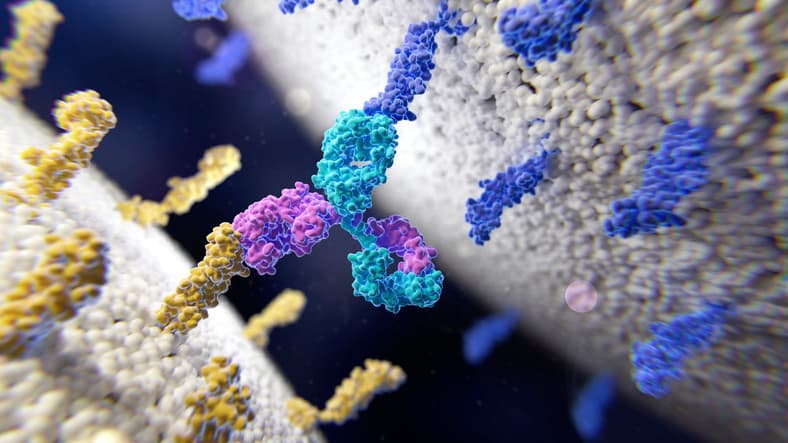
A new technique combining two forms of spectrometry could help biopharmaceutical companies improve their choice of formulation buffer for antibody manufacturing by revealing how molecular forms and three-dimensional shapes of complex biologics respond to their environment. That’s the view of Christian Bleiholder, PhD, a professor at Florida State University who helped develop the technique.
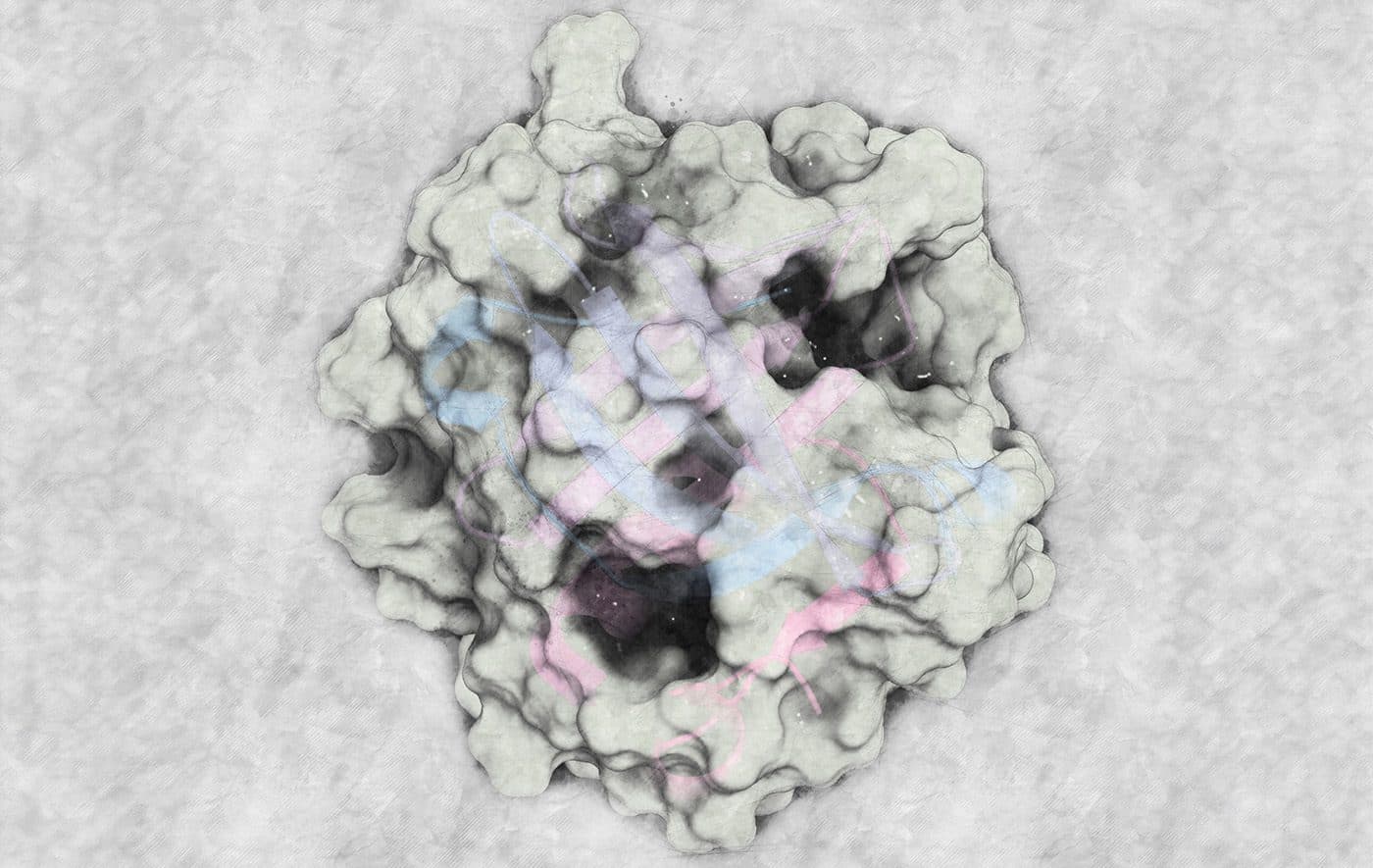
According to Bleiholder, what happens structurally when a complex biological molecule, such as an antibody or viral spike protein, binds to its target is currently poorly understood.
“This is where [this approach] can help with the bioprocessing and formulation,” he says, as structural changes “can affect the lifespan [of the product] and lead to issues, such as aggregation.”
Because antibodies are complex, existing techniques tend to be powerful at different levels of complexity, he explains. Mass spectrometry is particularly powerful for distinguishing molecular composition, while structural approaches such as X-ray crystallography and cryo-electron microscopy can provide high-resolution structural information.
The challenge is understanding the link between these things within a heterogeneous sample, he says.
To overcome this, Bleiholder and his team worked with Bruker Daltonics to develop Tandem-Trapped Ion Mobility Spectrometry (Tandem-TIMS). This combines tandem ion mobility spectrometry with tandem mass spectrometry to disentangle three overlapping layers of molecular complexity: molecular form, three-dimensional shape, and binding or assembly state, he says.
He explains that, if the proteins have different structures, they can be characterized with tandem ion mobility spectrometry, and then mass spectrometry can be used to look at their molecular forms and binding states.
Going forward, Bleiholder hopes the technique can be used for formulation development but also earlier, during drug discovery of new products, such as multi-specific antibodies, to determine which molecular states are important and how those change when a biologic engages its target. He also plans to look at automating the technique.
Bleiholder spoke about using Tandem-TIMS at the Bioprocessing Summit in Boston earlier this year.
InsightsBiopharmaceuticalsBioprocessing methodsCryo-electron microscopyDrug development (Pharmacology)Ion mobility spectrometryMass spectrometryPrevious article
The DNA Balancing Act in Boosting Bacterial ProductivityNext article
Human Pancreatic Duct Cells Show Diabetes Therapy PotentialAlso of Interest
Revvity Signs Agreement to Acquire Human Cell DesignTop 10 Contract Development and Manufacturing Organizations 2026AI Accelerates Biomanufacturing from Discovery to TranslationPurifying Complex Therapeutics Requires Fresh ApproachesThe Emerging Power of Mass Spectrometry in OncologyNRAS Mutations May Require Mutation-Guided Combination TherapiesRelated Media
Reporting Live from JPM 2026: Alex Philippidis and Jonathan Grinstein, PhDSun, Sequencing, and Spatial: Day One at AGBT 2025Boston and Bioprocessing: GEN Reports Live from the First Day at BPIEmerging Markets Collaborate to Succeed in Post-Pandemic WorldMechanistic Modeling Improves Drug Discovery Workflows and Speeds Therapeutic DevelopmentImproving Protein Therapeutic Production is a Key Goal of Biopharma 4.0Top 5ResourcesRecommended For YouPodcast
Touching Base
Touching Base is the dynamic podcast series from the editors ofGEN. Each episode features a rotating case of senior editors—including John Sterling, Kevin Davies, Julianna LeMieux, Alex Phillippidis, Uduak Thomas, Corinna Singleman, and Fay Lin—who delve into emerging stories, exchange ideas, and debate the latest trends in biotech. Additionally, they talk to some of the leading voices in the industry about what's now and next.Start listening today!
Stay up to date with the lasted episodes of Touching Base bysubscribing to theGENPodcast Newsletter