Moon lovers rejoice! International Observe the Moon Night returns on Sept. 19. Here's everything you need to know about how to participate in the annual celebration of Earth's natural satellite both in-person and from the comfort of your home.
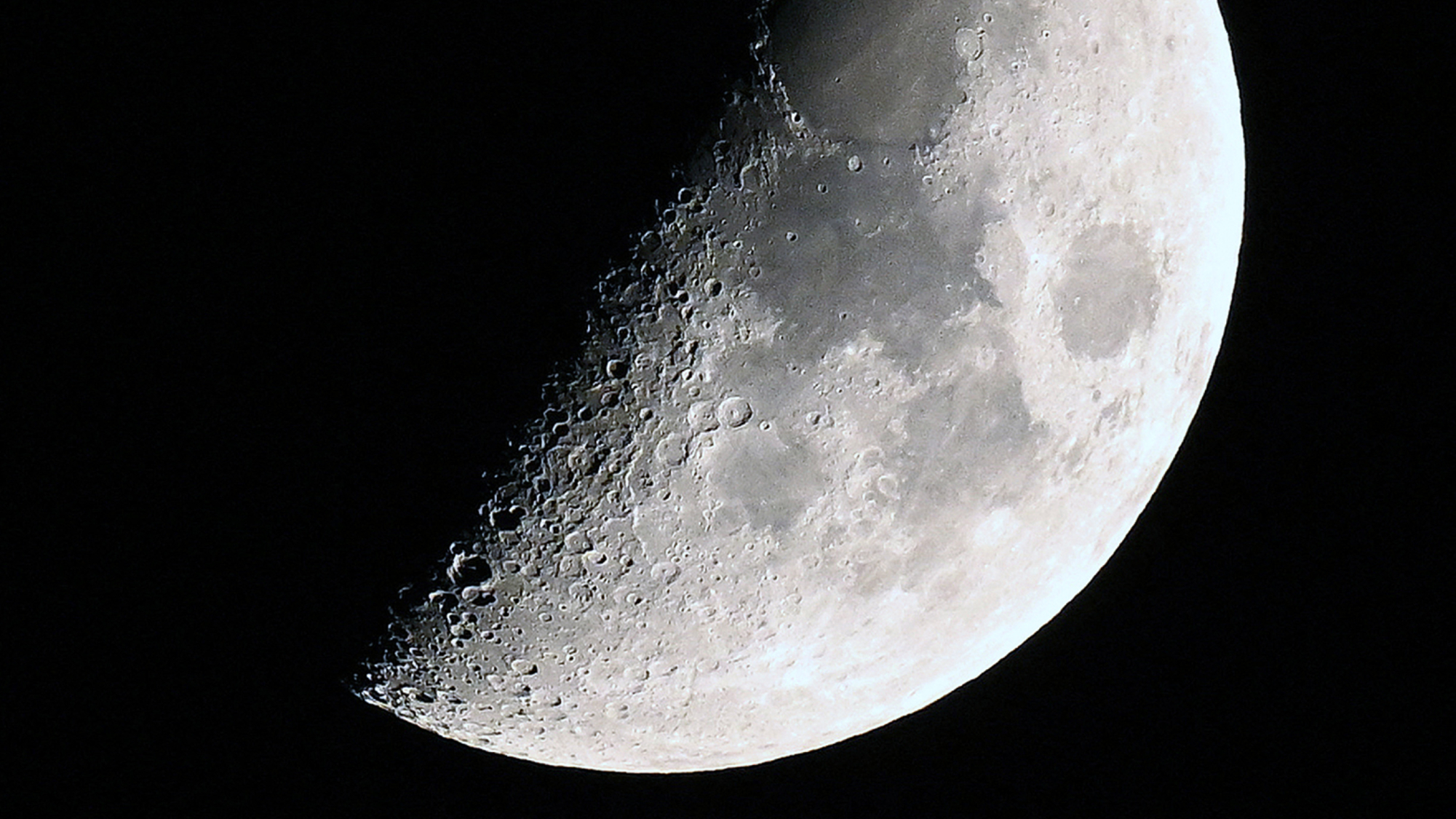
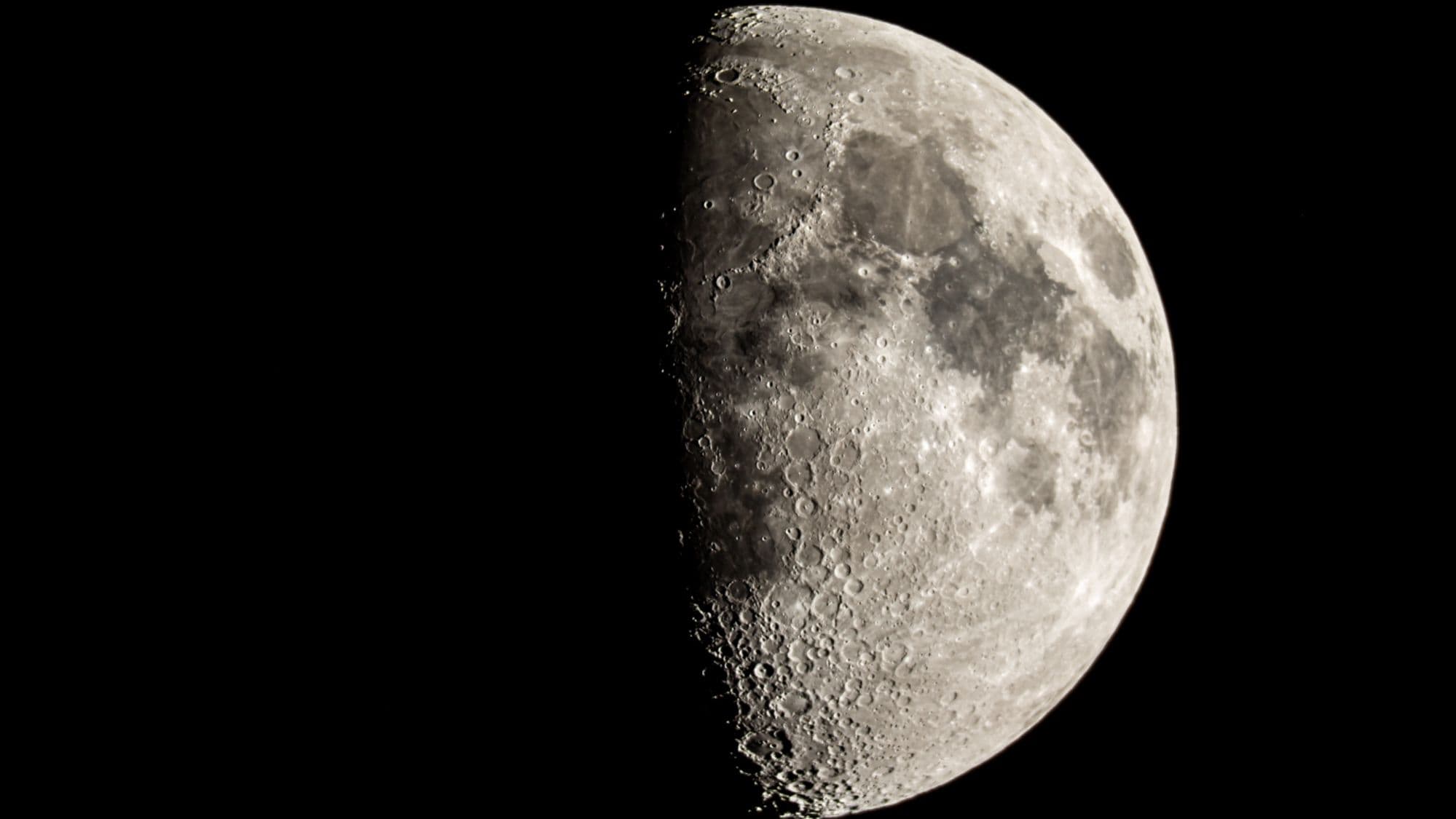
International Observe the Moon Night takes place around thefirst quarter moonin September or October, when the moon is conveniently visible in the late afternoon and evening. It's also an excellent phase for exploring features along the terminator — the boundary between lunar day and night — where long shadows help craters, mountains and other features stand outaccording to NASA.
The global celebration aims to raise awareness of lunar observation, science and exploration, which has intensified in recent years as NASA and its partners work to return humans to the surface of the moon as part of itsArtemis program.
How can I participate?
You can join in with the International Observe the Moon Night celebrations either as part of a group or solo from the comfort of your own home!
Looking for an event near you? Search NASA's interactiveglobal map of hundreds moongazing eventsfrom star parties organized by local astronomy groups to virtual events hosted by observatories and passionate amateurs.
Or host your own celebration. NASA has advice onhow to host your own private or public eventto celebrate the occasion, and you canregister on the agency's mapso other moon enthusiasts can join you.
You can also participate from the comfort of your home simply by stepping out to observe the moon with the naked eye, binoculars or a telescope. Or you can perusehundreds of imagesof the moon captured by NASA'sLunar Reconnaissance Orbiterand the astronauts of Artemis II as they journeyed to thefar side of Earth's moon.
Celestron Nexstar 4SE
This is a fantastic go-totelescopewith a 4-inch aperture that'll help you get quick and steady views of the moon. For more be sure to check out ourCelestron Nexstar 4SE review.
Anyone with a 3D printer can alsocreate models of the lunar surfacemade from LRO data, including thelanding siteof the historicApollo 11mission, which touched down in the Sea of Tranquility in July 1969.
Space.com also has a range of fantastic lunar resources to help you get to know Earth's moon! Be sure to check out our explainer article detailingeverything you need to know about the moon, along with thelatest news on NASA's Artemis programto return astronauts to the lunar surface and ourSeptember full moon guide.
Read more:Apollo landing sites: An observer's guide on how to spot them on the moon.
New to stargazing? No problem! Simply check out ourguide to observing the lunar disk, along with our picks of thebest binocularsandtelescopesthat'll have you exploring the wealth of craters and lunar seas scarring the near side of the moon's surface in no time.
Editor's Note:If you would like to share your astrophotography with Space.com's readers, then please send your photo(s), comments, and your name and location to spacephotos@space.com.
You must confirm your public display name before commenting
Please logout and then login again, you will then be prompted to enter your display name.
Skywatching Writer
Anthony Wood joinedSpace.comin April 2025 after contributing articles to outlets including IGN, New Atlas and Gizmodo. He has a passion for the night sky, science, Hideo Kojima, and human space exploration, and can’t wait for the day when astronauts once again set foot on the moon.