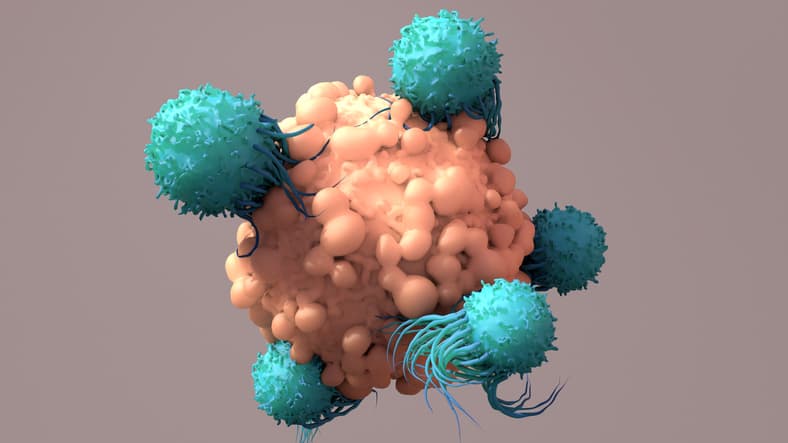
Allogeneic CAR T Company Prepares to Widen Access to Patients
A CAR T-cell therapy company using donor cells is planning to move to a pivotal Phase III clinical trial thanks to their genome editing strategies and optimization of their product, including choice of donors under 30.
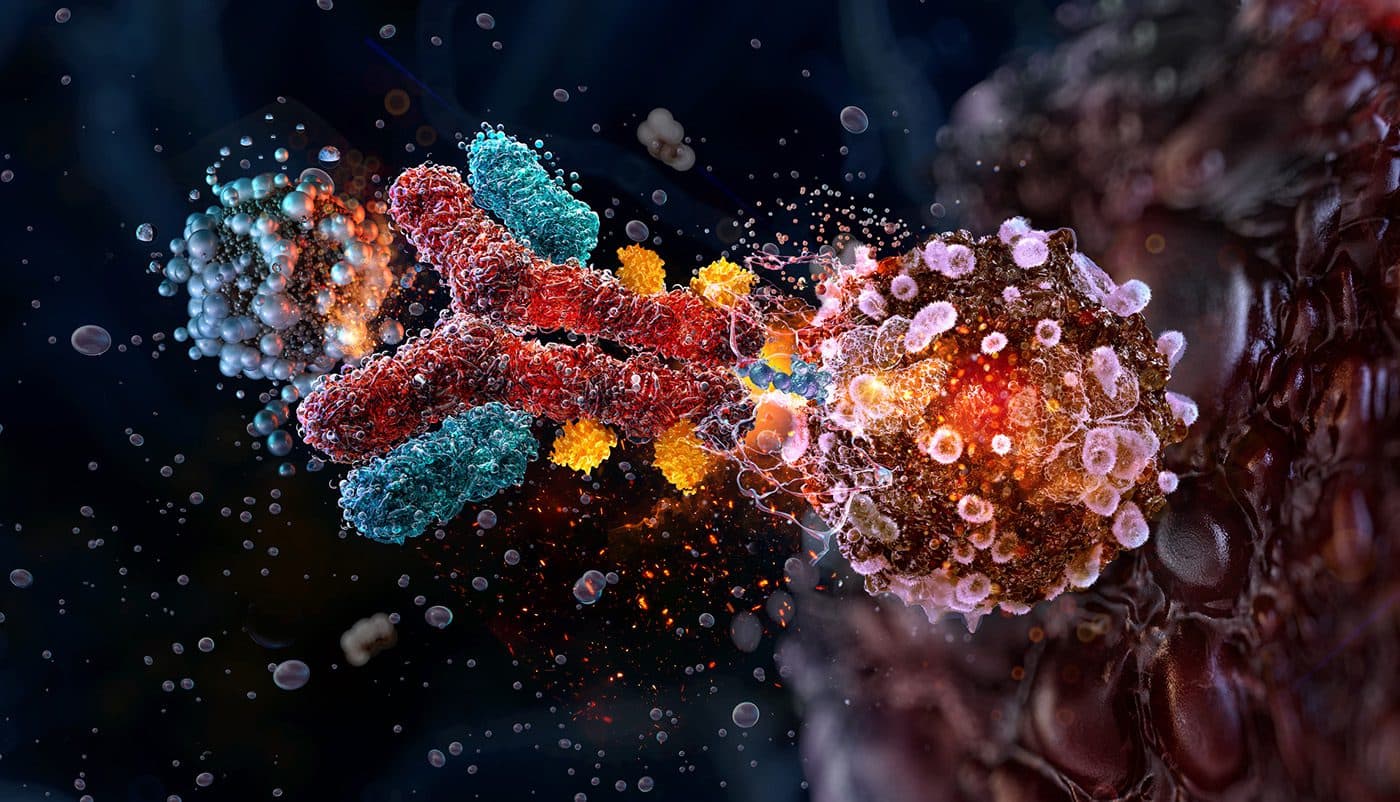
Caribou Biosciences says its allogeneic CAR T-cell therapies have been shown to be as effective and long lasting as approved autologous CAR T therapies in certain blood cancers.
“We’ve figured out how to make allogeneic CAR T cells work as well as autologous CAR T cells through a combination of gene editing strategies as well as optimization of the product, such as selecting donors under age thirty,” explains Justin Skoble, PhD, vice president of technical operations at Caribou Biosciences.
According to Skoble, the benefits of allogeneic therapy include having off-the-shelf products available, which will improve patient access.
“What’s novel is our ability to begin addressing the access issues that have been a struggle,” he says. “Depending on indication and who you’re talking with, 75 to 90% of patients eligible for CAR T don’t receive it.”
Skoble says this is “Either because their disease is progressing too rapidly to go through the referral process, cell collection, and manufacture of an autologous CAR T or they face challenges, such as socioeconomic barriers or insurance issues, that prevent them from getting to a center where it’s available.
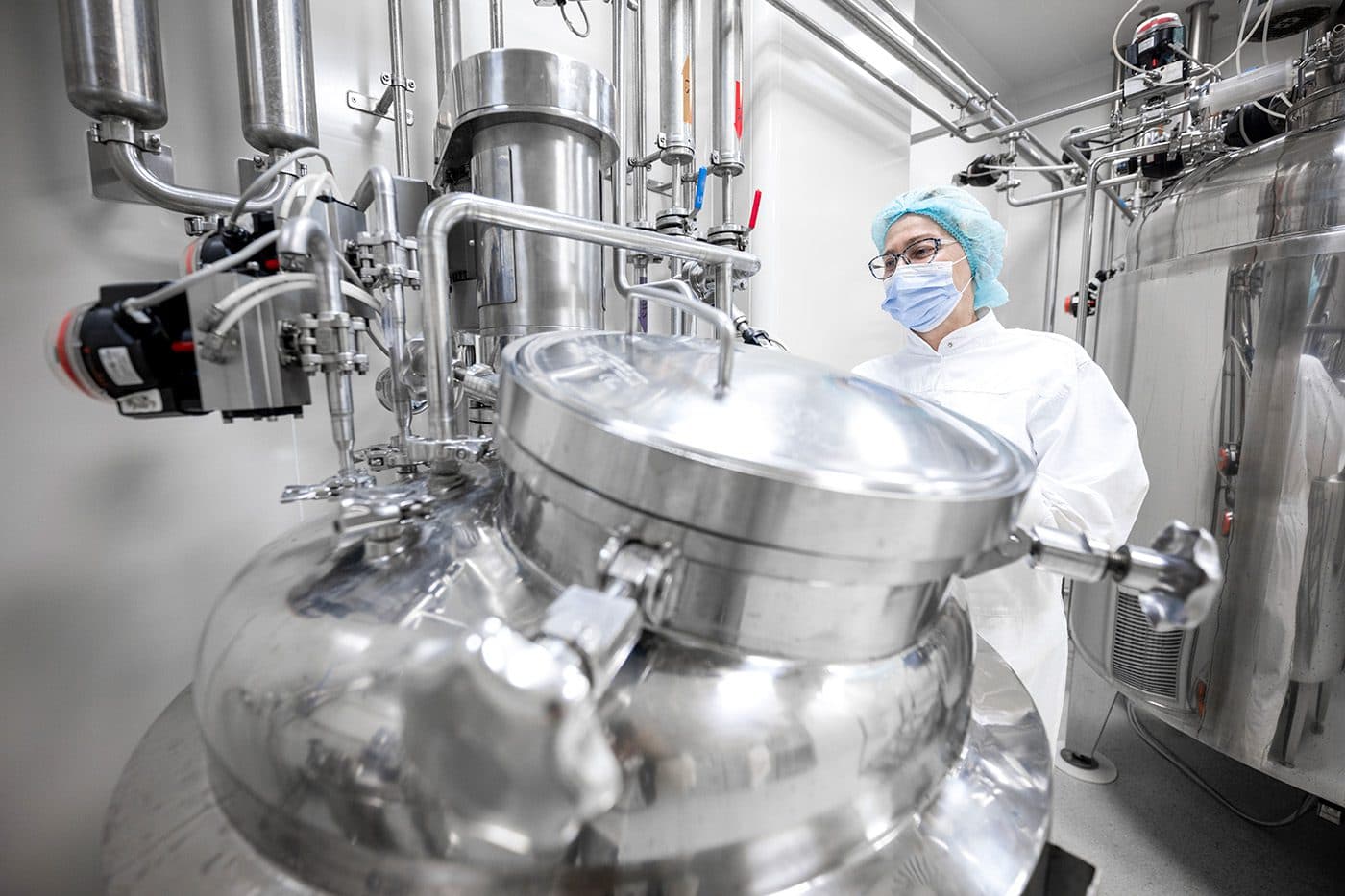
“We believe an off-the-shelf approach […] reduces the logistical burden because the patient can be dosed with our allogeneic CAR T cells without the need to wait for bespoke manufacturing. We have a donor match strategy where we pick the best match we have in inventory and, because we can scale to hundreds of doses per manufacturing batch, the cost of goods is low.”
The company’s approach involves what Skoble describes as a high-fidelity genome-editing technology chRDNA (pronounced chardonnay), which Caribou Biosciences uses to reduce off-target effects and armor the CAR T cells for functional persistence.
They’ve also found they had better durability of response if they matched the patient’s human leukocyte antigens (HLAs) to donor HLA in inventory, and also if they use donors aged under 30, he says.
The company hopes their approach will transform, and inspire, the CAR T therapy industry. Over the next few months, they hope to start their randomized-controlled Phase III study with the goal of launching their first product, vispa-cel, as a second-line treatment for patients with large B cell lymphoma.
InsightsAllogeneic cellB-cell lymphomaGene editingHealth care servicesLeukocytesRandomized controlled trialT-cell immunotherapyPrevious article
Five Steps to Enable Self-Optimizing Process PurificationNext article
Bioprocessing’s Green Shift Gains MomentumAlso of Interest
CAR T Manufacturing in Japan Gets Boost from Teijin-Shinshu University Research CollaborationADCs, mAbs, CAR Ts: One Bioluminescent Platform Measures Them AllRNAV8 Bio Joins ARPA-H Team to Pioneer Programmable RNA MedicinesAdvanced Imaging Technique Reveals Immune Cell Metabolic States in Blood SamplesNotch Signaling Switch Enables Scalable Helper T Cell Production for CAR TCAR T-Cell Therapy Puts Severe Rheumatoid Arthritis Into Remission in First Clinical TrialRelated Media
Bye, Bye, Baltimore:GEN’s Takeaways from ASGCTBioprocessing in Beantown: GEN Reports Live from Day 2 at BPISearch and Replace: Andrew Anzalone Details How Genome Editing Went Prime Time on “Close to the Edge”CRISPR-Cas9 Alternatives: Cutting through the Boundaries of Gene EditingGeorge Church, PhD, Recounts Decades of Research, 38 Companies on “Close to the Edge”Eric Ostertag, MD, PhD, Recounts His Journey from Penn Grad to Poseida CEO on "Close to the Edge"Top 5ResourcesRecommended For YouPodcast
Touching Base
Touching Base is the dynamic podcast series from the editors ofGEN. Each episode features a rotating case of senior editors—including John Sterling, Kevin Davies, Julianna LeMieux, Alex Phillippidis, Uduak Thomas, Corinna Singleman, and Fay Lin—who delve into emerging stories, exchange ideas, and debate the latest trends in biotech. Additionally, they talk to some of the leading voices in the industry about what's now and next.Start listening today!
Stay up to date with the lasted episodes of Touching Base bysubscribing to theGENPodcast Newsletter