ALS Drug Extends Survival in Mice, Targets TDP-43 Low-Complexity Domain
In a new study published inNature Agingtitled,“Therapeutic targeting of the conserved region within the low-complexity domain of TDP-43 is neuroprotective and extends survival in amyotrophic lateral sclerosis mice,” researchers from University of Arizona present a new therapeutic target to shield nerve cells from the damage of ALS.
“Current FDA-approved treatments for ALS provide only modest benefits. There is an urgent need for a real breakthrough,” said Xinglong Wang, PhD, corresponding author of thestudya professor at theR. Ken Coit College of Pharmacy.
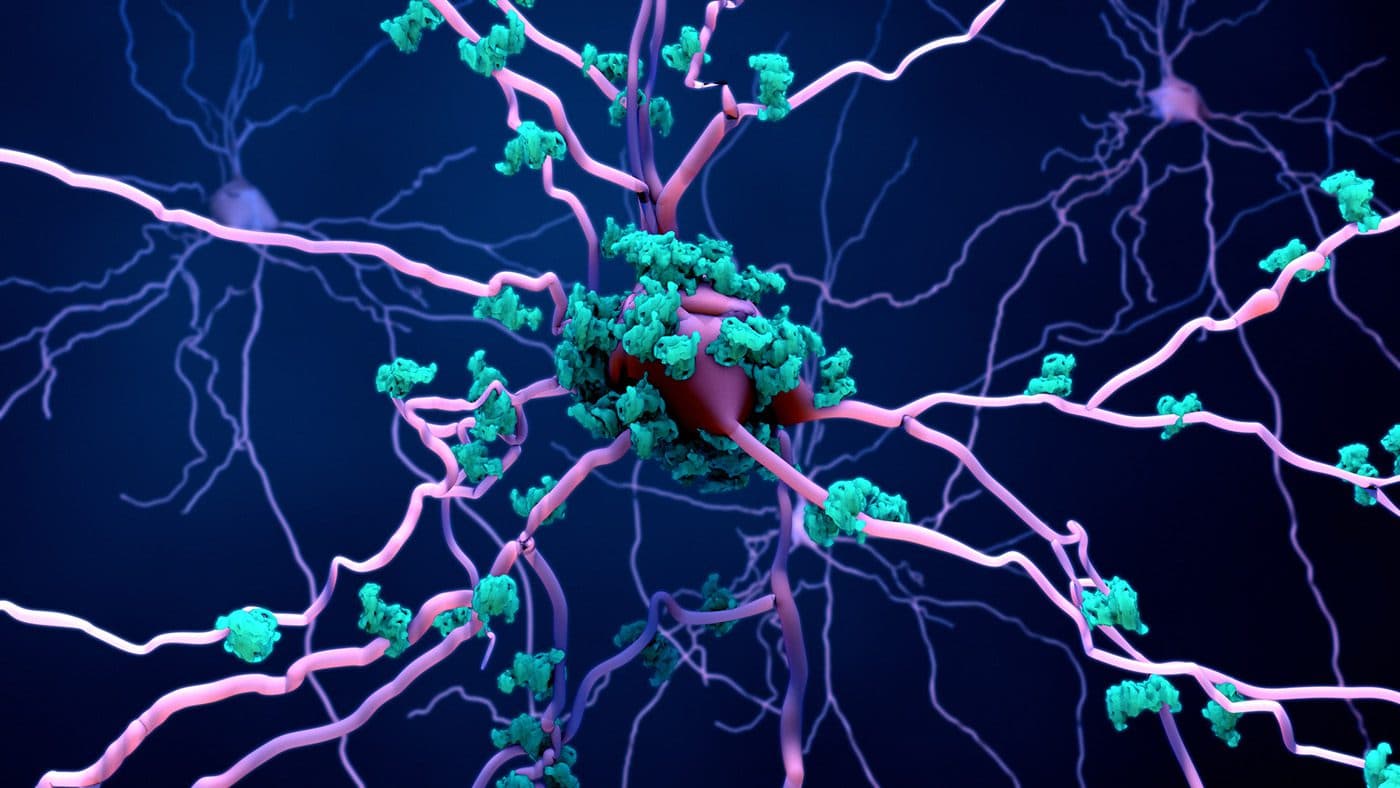
ALS is difficult to treat because diagnosis occurs after substantial nerve cell damage.Causes of ALS are unclear. Fewer than one in 10 cases are inherited through a known genetic mutation. More than 90% of cases arise sporadically with no family history or clear genetic cause. However, nearly all cases demonstrate abnormal TDP-43 aggregation inside nerve cells, which often informs post-mortem diagnosis.
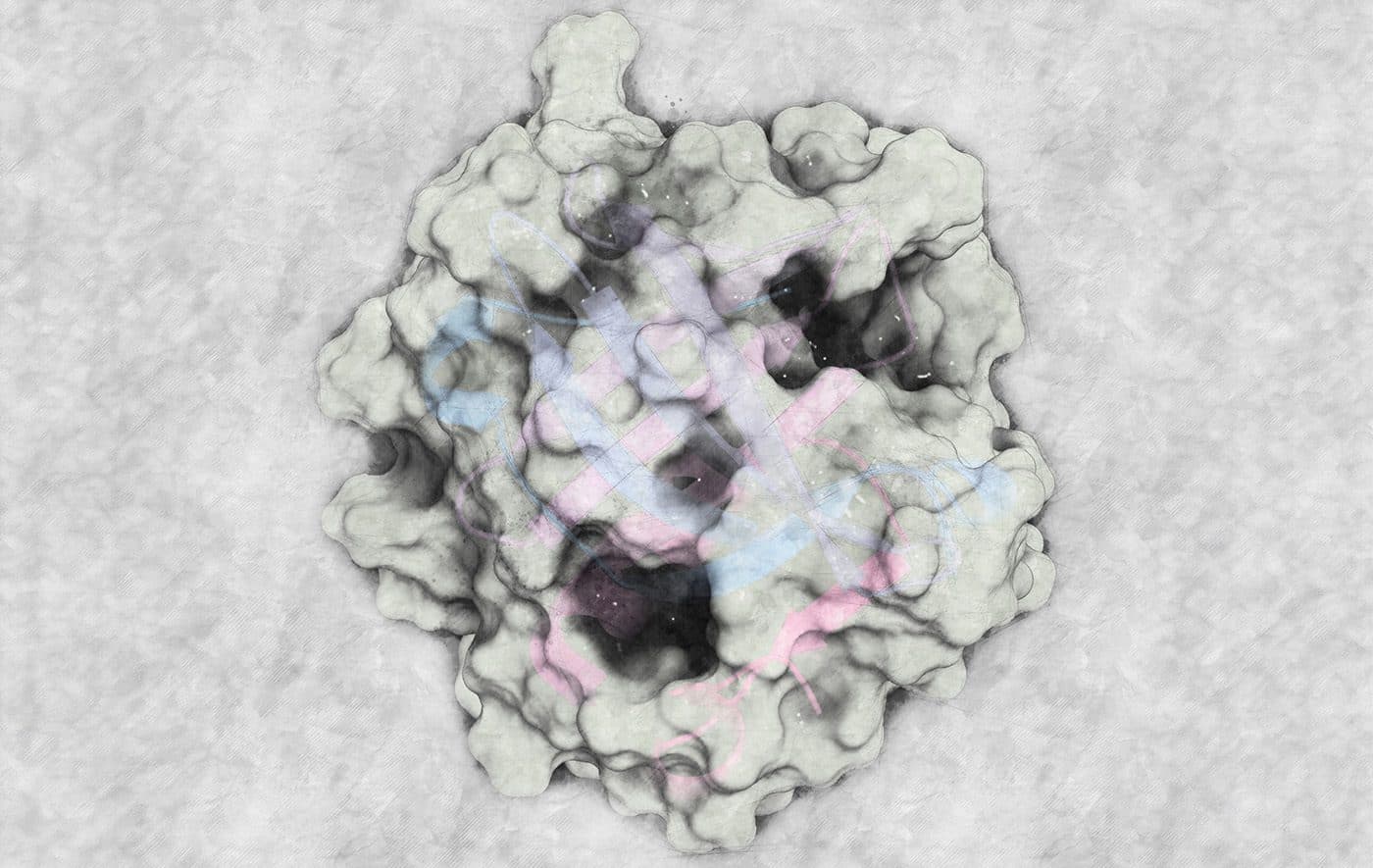
“We asked a simple question that had never been tested: is there one specific part of TDP-43 that’s causing the harm, something a drug could switch off without disturbing the rest?” Wang said.
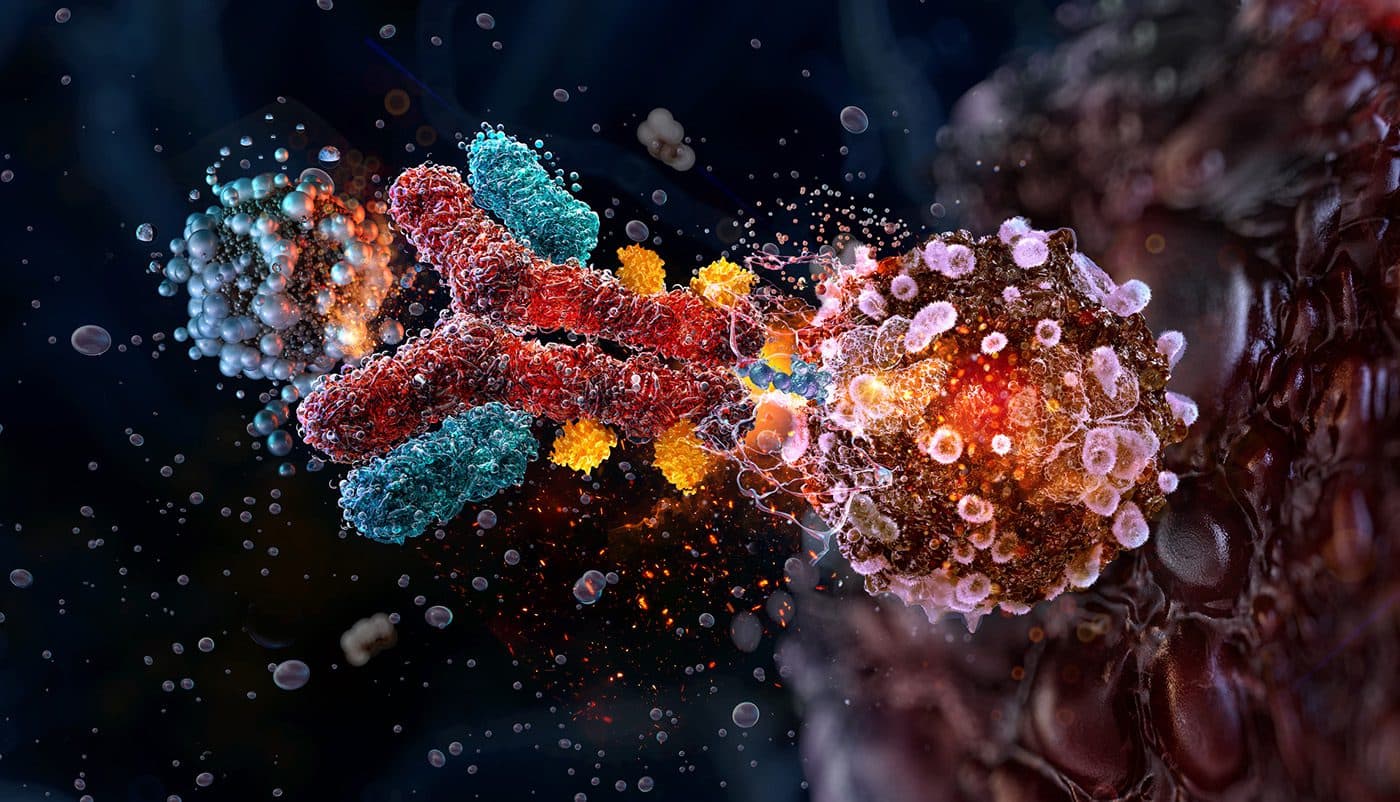
The team found a region of TDP-43 were disease-causing mutations clustered. When this region was deleted in mice, the nerve cell death caused by TDP-43 dropped sharply while normal protein function remained intact.The researchers identified experimental drug, XL20, which could latch onto the target region in the TDP-43 protein. Notably, the drug could cross the blood-brain barrier.
In mice, the XL20 extended median survival by approximately a week, protected nerve cells and reduced muscle weakness. When XL20 was tested on human motor neurons, the specialized nerve cells in the brain and spinal cord, the experimental drug reversed damage.
Wang says XL20 represents a promising candidate for future clinical development. As ALS typically develops over months to years after symptoms first appear, earlier treatment could provide greater opportunity to slow disease progression.
Additionally, the study’s findings may have applications for other neurological diseases. The same TDP-43 pathology is central to limbic-predominant age-related TDP-43 encephalopathy (LATE), a common dementia which affects roughly one in three people over 80. TDP-43 pathology is also found in more than half of Alzheimer’s patients and is associated with faster cognitive decline.
“The same TDP-43 pathology is implicated in several other neurodegenerative diseases,” Wang said. “If future studies show this approach works in those diseases as well, it could eventually benefit a much larger patient population.”
NewsAlzheimer's diseaseAmyotrophic lateral sclerosisBlood brain barrierEncephalopathyGene mutationMiceProteinsPrevious article
StockWatch: New UC Data Sparks Smoother Sailing for AbivaxNext article
Pharma Races to Scale AI as Billions Flow into Drug DiscoveryAlso of Interest
CloudScope Enables Continuous Remote Monitoring of Brain Activity in Freely Moving MiceCancer Treatment Genetic Effects in Healthy Cells May Reveal Clues to Side Effects and ResistancePD-L2 Blockade May Reduce Harmful Aging Cell BuildupChronic Interferon Exposure Linked to Immunosuppression in CancerManus and UT Austin Advance Biomanufacturing Product Recovery Through BioMADE ProgramMonoclonal Antibodies Targeting MMP-9 Alleviate Peripheral Neuropathy in Diabetic MiceRelated Media
Genomics in Snowy Denver: A Video Update from ASHGWhat’s in Store for 2024? Three CEOs Look Ahead and Look Back on “Close to the Edge”GEN Protocols Expert Exchanges: Critical ALS Biomarkers of Neuroinflammation & Oxidative StressImproving Protein Therapeutic Production is a Key Goal of Biopharma 4.0Front Row Series 2: AI in Drug Discovery and DevelopmentGEN Protocols Expert Exchanges: Tools and Techniques to Develop Therapies for Neurological DisordersTop 5ResourcesRecommended For YouPodcast
Touching Base
Touching Base is the dynamic podcast series from the editors ofGEN. Each episode features a rotating case of senior editors—including John Sterling, Kevin Davies, Julianna LeMieux, Alex Phillippidis, Uduak Thomas, Corinna Singleman, and Fay Lin—who delve into emerging stories, exchange ideas, and debate the latest trends in biotech. Additionally, they talk to some of the leading voices in the industry about what's now and next.Start listening today!
Stay up to date with the lasted episodes of Touching Base bysubscribing to theGENPodcast Newsletter