Sign in
Welcome! Log into your account
Forgot your password? Get helpPrivacy PolicyPassword recovery
Recover your password
A password will be e-mailed to you.
GEN – Genetic Engineering and Biotechnology NewsHomeTopicsBioprocessingCDMO Roundup
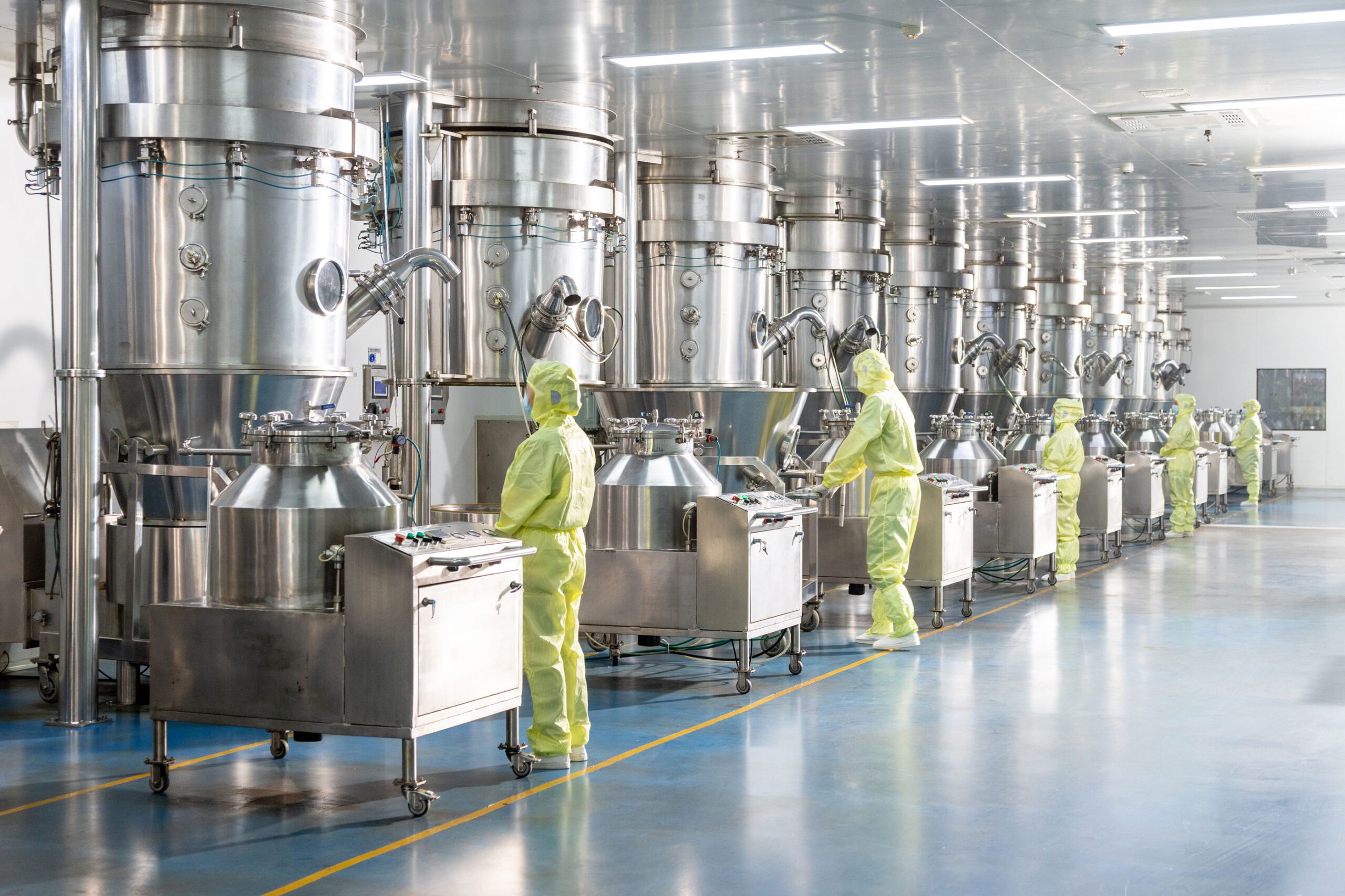
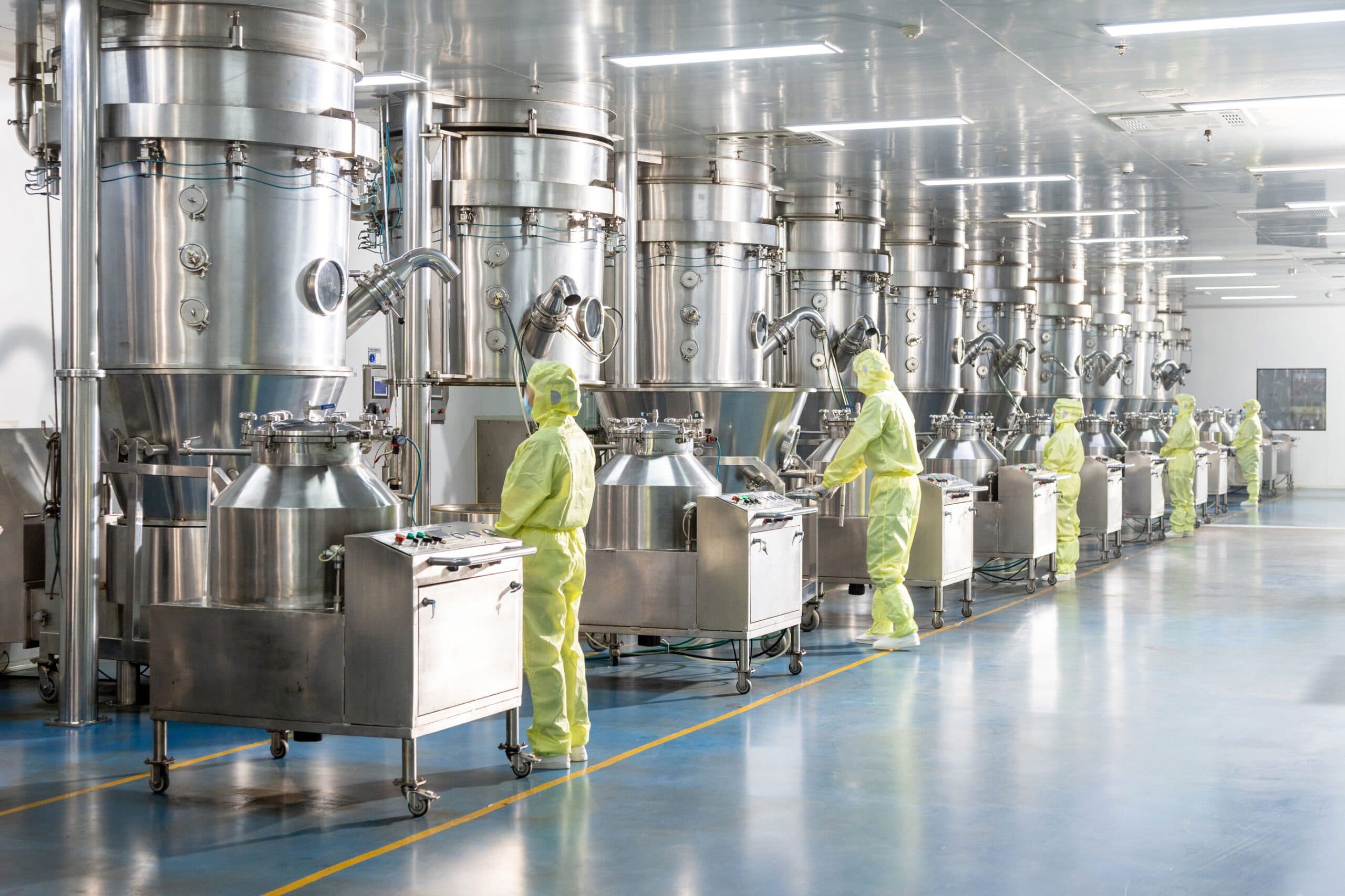
Credit: liuliming / Getty Images
Fortune Business Insights reports that the contract development & manufacturing organization (CDMO) market size was valued at $199.27 billion in 2025. The market is projected to grow from $214.95 billion in 2026 to $419.93 billion by 2034, exhibiting a compound annual growth rate (CAGR) of 8.7% during the forecast period. North America dominated the global market with a market share of 34.66% in 2025.
According to a number of analysts, market growth is being driven by the rapid growth of biologics and personalized medicine, an explosion of biotech startups, cost reduction, need for speed, and increasing manufacturing complexity, among others.
GENis publishing this CDMO Roundup to give our readers insights on what CDMOs themselves say potential clients should consider before choosing a CDMO. We queried multiple CDMO leaders for their thoughts on three main points:
What are five operational/skills practices that are critical for becoming a successful CDMO?
To stand out, modern biomanufacturing CDMOs must shift from basic execution to becoming strategic innovation partners. What are high-value technical services a quality CDMO can offer?
What typical operational or technical pain points prompt clients to seek your expertise?
3PBIOVIAN
Pamplona Site Head
Success starts with partnership. We work with clients, not for them, building long-term relationships based on trust, transparency, and flexibility. An industrial mindset is equally critical: from day one, processes must be designed with both scale up and cost of goods (COGs) in mind to ensure future commercial viability. Strong technology and transfer capabilities are essential, as seamless transfers require rigorous planning and deep process understanding. Quality must also be embedded in the culture, going beyond compliance to deliver consistency and reliability at every scale. Finally, broad expertise across multiple modalities and technologies provides support for multiple clients throughout the entire product lifecycle.
Clients increasingly seek partners capable of connecting multiple technologies and offering a single end-to-end development and manufacturing strategy. A large portfolio supports programs from preclinical development to commercial manufacturing, including both drug substance and drug product capabilities. Strong process development and industrial operations and scale-up expertise with a continuous innovative mindset enable a CDMO to address complex projects and accelerate time to market.
Clients typically come when facing scale-up challenges and process and molecule complexity, and also when tight manufacturing costs are required, where process design is essential. Increasingly, they are also looking for a different service model: a committed partner that provides technical expertise, close collaboration, and strategic guidance. In the end, clients want to reduce risk and feel confident their molecules can move forward.
Aldevron
President and General Manager, mRNA
Successful CDMOs excel in five areas: strong quality systems, deep technical expertise, scalable manufacturing, proactive project management, and regulatory knowledge. Quality and compliance provide the foundation, while scientific expertise supports process development and troubleshooting.
Scalable operations help programs progress efficiently from development through commercialization. Effective project management keeps stakeholders aligned and risks visible. Regulatory experience helps clients navigate evolving requirements and avoid delays. Together, these capabilities enable CDMOs to serve as reliable partners throughout the product lifecycle.
High-value services of CDMOs include process development and optimization, analytical method development, technology transfer support, manufacturing troubleshooting, and regulatory or CMC guidance. These capabilities help clients improve process performance, understand product quality attributes, and reduce risks during scale up. CDMOs can add value by integrating scientific, manufacturing, analytical, and regulatory expertise early in development, helping clients identify potential challenges before they affect timelines, product quality, or clinical progress.
Clients commonly seek support with scale-up challenges, process reproducibility, analytical characterization, regulatory readiness, and complex manufacturing requirements. Many organizations have promising technologies but need help translating laboratory processes into robust manufacturing workflows. Others require expertise in developing analytical methods or preparing for regulatory submissions. Operational pressures such as tight timelines, limited internal resources, and coordination across multiple partners can also create obstacles. CDMOs provide specialized knowledge and established systems to help manage these challenges efficiently.
Almac
Director of Chemical Development
Successful CDMOs differentiate themselves by the depth of their scientific and technical capabilities and their ability to translate scientific and technical understanding into safe, robust, and scalable manufacturing processes. They provide strong process understanding from the outset, cross-functional scientific integration, excellence in tech transfer and scale up, quality-by-design (QbD) thinking, and continuous investment in technical talent.
Sophisticated equipment alone does not solve complex development challenges. Successful CDMOs cultivate experienced scientists and engineers who can apply mechanistic understanding to difficult molecules, unusual processes, and emerging modalities. The ability to solve problems scientifically and with creativity remains one of the most important competitive differentiators in our industry. Owing to the fast pace at which CDMOs work, they have the unique ability to gain a wealth of experience across a wide range of technical and synthetic challenges which would simply not be possible if focusing on one product alone.
Clients increasingly expect CDMOs to contribute technical insight rather than simply execute predefined work packages. Examples of high-value scientific services include advanced developability assessments, predictive modeling and digital development tools, solid-state and materials science expertise, integrated route and manufacturing development, modality-specific expertise, and manufacturing science and process intensification.
The most valuable partnerships are often formed when a molecule, process, or program proves more challenging than expected. A few of the most common issues include poor solubility and bioavailability, difficult-to-manufacture molecules, uncertain scale-up pathways, limited material availability, complex molecule and modality development, and bridging development and manufacturing.
Altruist Biologics(an Innovent CDMO)
Chairman and CEO
The most successful CDMOs distinguish themselves not by capacity alone, but by the quality of development decisions they enable. Manufacturing excellence begins well before the first GMP batch. Five practices define success: integrating development, manufacturing, quality, and regulatory expertise from day one; building deep process understanding through rigorous science; transferring knowledge, not merely documents, during technology transfer; executing through disciplined quality systems; and ensuring every technical decision advances patient benefit.
Clients no longer seek CDMOs simply to manufacture batches. They seek partners who strengthen the CMC decisions that shape technical, regulatory, and commercial success. Altruist’s roots within Innovent give us a distinct perspective: we have developed and manufactured biologics as an innovator while supporting external partners as a CDMO. That dual experience shapes our integrated CMC strategy and the high-value technical services we provide for complex biologics, including high-concentration formulation, ADC bioconjugation, process intensification, presentation changes (vial to prefilled-syringe or autoinjector), and comparability strategy. Through post-approval second-generation cell-line replacement, process optimization, and commercial scale-up to 20,000 liters, we have reduced COGS to below US$50 per gram while maintaining product quality, comparability, and regulatory alignment across global markets.
Clients engage a CDMO when technology transfer fails to preserve process understanding, lab performance does not translate at manufacturing scale, or complex modalities challenge conventional approaches. The question is not simply whether a batch can be made, but whether process understanding and the rationale behind critical decisions survive every handoff and lifecycle change. Having made those decisions as both an innovator and a CDMO enables a CDMO to help clients translate sound scientific judgment into manufacturable, commercially viable medicines from development through commercial supply.
Lonza
Head of Advanced Synthesis
Successful CDMOs connect seamlessly with their clients and their program-specific needs, leveraging modern science, proven manufacturing expertise, and phase-appropriate quality management systems. Five operational practices and skills matter most: deep technical expertise, a rigorous quality and regulatory mindset, disciplined technology transfer, transparent project leadership, and the flexibility to adapt as programs evolve. For customers, the value is clear: a partner that anticipates challenges early and keeps development moving with confidence.
Clients ask for tailored phase-appropriate services with reliable execution; they need a partner that helps shape smarter decisions from the start. High-value technical services span manufacturability assessment, process and analytical development, scale up, technology transfer, and commercialization planning. What needs to be built is a stronger route along with the development of integrated solutions from innovation to patient impact.
Clients often seek expertise when momentum matters most: scaling a promising process, transferring technology smoothly, strengthening an assay strategy, or building supply resilience. These challenges are best addressed with a phase-appropriate solution mindset. In early-phase programs, that means prioritizing speed, agility and smart experimentation: rapidly assessing manufacturability, shaping a scalable process concept, selecting fit-for-purpose analytics, and keeping timelines moving without over-engineering. In later-phase programs, the focus shifts to quality, reliability, and readiness for validation, launch, and sustained supply, with emphasis on process robustness, analytical control, technology transfer, regulatory alignment, and supply continuity. Across phases, customers often need help to make timely, practical decisions and progress with confidence from development through commercialization.
Rezon Bio
CDMOs must prove their execution and regulatory excellence through reliable delivery from development through commercial manufacturing, demonstrating technical capability, operational maturity, and regulatory readiness. A customer-centric partnership is needed to gain a deep understanding of clients’ evolving needs and provide transparent, proactive collaboration. Experienced, cross-functional scientific teams enable faster problem-solving and efficient project execution. CDMOs should also focus on technical innovation and digitalization, as embedding scientific innovation, AI, and digital technologies into daily operations enhances productivity. In addition, delivering measurable business value through cost-conscious development and manufacturing reduce risk, shorten timelines, optimize COGs, and maximize client value.
It’s necessary for CDMOs to integrate development and manufacturing with end-to-end expertise from cell line development through commercial manufacturing. Scalable, robust processes that optimize productivity and COGs, and reduce development risk allow for process development and optimization. Data-driven process understanding is essential for critical decision-making using comparability studies and regulatory submissions. Additionally, seamless tech transfers, process validation, lifecycle management and continuous process improvement help improve CDMO innovation. Finally, aligning development with global regulatory expectations positively impacts CMC strategy and regulatory support.
Clients seek integrated CDMO expertise to establish a single partnership for development, manufacturing, analytical sciences, quality, and regulatory support. Our clients look for supply chain resilience that diversifies manufacturing with trusted, price-competitive European CDMOs. Emerging biotechs seek flexible, responsive partners that manage their programs as if they were their own. They expect expertise in process optimization, technology transfer, analytical characterization, and CMC to translate laboratory processes to robust commercial manufacturing. Balancing scientific excellence, regulatory compliance, operational efficiency, competitive COGs, and predictable timelines is essential for CDMOs to demonstrate cost-to-value efficiency to clients.
Vice President of Business Strategy
Samsung Biologics
Cultivating specialized technical proficiency as a CDMO is non-negotiable. By maintaining robust quality systems and proven regulatory compliance, a highly capable CDMO significantly reduces hidden execution risks and avoids costly approval delays across the entire project lifecycle. Performance must take precedence over operational convenience. CDMOs that foster cross-functional governance ensures sustainable, long-term partnerships, while integrating AI and digitalization help deliver measurable manufacturing efficiencies.
High-technical services that should be offered include advanced formulation, data-driven developability assessment, specialized manufacturing for next-generation modalities, and AI-enhanced production and quality. By integrating these advanced platforms, partners can be empowered to execute seamless technology transfers, avoid regulatory delays, and optimize resource use across the product lifecycle.
Technical bottlenecks with complex modalities are a common client pain point. Clients often struggle with solubility, physical stability, and aggregation issues during early process development. Capacity constraints remain a persistent challenge, particularly when sudden increases in demand for novel therapeutics outpace global manufacturing capacity. These challenges can be compounded by geopolitical uncertainty and supply chain disruption. Dependence on overseas manufacturing can expose clients to shifting trade policies and regional instability. A diversified manufacturing network helps clients strengthen supply chain resilience while supporting localized manufacturing strategies.
Associate Director of Formulation Development
Finally, there are hidden trade-offs in execution. Transactional vendor relationships can lead to batch failures, regulatory delays, and slower issue resolution, increasing program risk. Integrated quality systems and a proven regulatory track record can help clients reduce these risks throughout the product lifecycle.
Thermo Fisher Scientific
A successful CDMO combines scientific expertise with operational discipline. It involves the right technical experts early to identify risks and reduce impacts to timelines. In addition, if you develop with clinical to commercial manufacturing in mind, you can reduce rework later in development. CDMOs should also maintain continuity of knowledge throughout the program to support informed decision-making and efficient execution and apply experience to technical decision-making to recognize issues earlier and identify practical solutions. Overall, strong project leadership brings these elements together through disciplined coordination and shared focus.
Commercial, BioPharma Services
The greatest value a CDMO provides is helping clients make better technical decisions throughout the program to provide certainty and reduce risk before issues become costly. Early development decisions influence manufacturability, process robustness, technology transfer, and commercial readiness. Robust analytical methods and a well-designed control strategy provide the data needed to understand performance. Successful technology transfer depends on effectively transferring process knowledge, analytical understanding, and operational experience. Integrating development, manufacturing, analytical, and regulatory planning helps clients anticipate potential challenges.
Many clients arrive facing decisions that influence the next stage of development. A common challenge is moving from early development into larger-scale manufacturing, requiring technology transfer. Analytical methods must become more reliable to support development, stability, and regulatory submissions. Manufacturing challenges also emerge at larger scale, requiring experience to identify scalable solutions. Many emerging and mid-sized companies have limited resources and need additional development or regulatory expertise. Across these situations, the objective is the same: reduce risk, make informed decisions, advance towards milestones with confidence.
WuXi Biologics
CEO
As biologics innovation shifts toward increasingly complex modalities, five capabilities are becoming critical: innovation leadership with deep modality expertise and industrialization capability, quality and execution excellence, agility and speed to respond to client needs, digital infrastructure, global supply chain with resilience and efficiency. Ultimately, competitive advantage is not solely built on manufacturing scale, but on the ability to translate scientific complexity into predictable, manufacturable, and commercially successful products, improving the probability of client success across the product lifecycle.
Clients are increasingly focused on improving the probability of development and regulatory success for increasingly complex modalities such as bispecific antibodies and antibody-drug conjugates (ADCs), while enhancing commercial viability through lower manufacturing costs and greater process robustness. Advances in cell line development, including targeted integration technology, together with process intensification and digital manufacturing, are making this possible. By improving titer and productivity, these innovations are enabling a shift toward more flexible, high-productivity single-use manufacturing that reduces cost, improves sustainability, and lessens reliance on large-scale manufacturing footprints.
Clients often seek expertise when innovation reaches a critical point while facing unresolved technical challenges or aggressive timelines. These critical issues come to the forefront: How quickly can a tech transfer can begin? How long drug substance and drug product manufacturing may take? To what degree can titers be improved? How can a product successfully advance to product process qualification (PPQ)? Clients need a partner that can solve problems, create options, and keep critical programs moving forward so that innovation can ultimately be translated into value through commercialization or strategic transactions.
InsightsAntibodies (Immune signalling)Artificial intelligenceBiomanufacturingCell line developmentGood manufacturing practicePrecision medicine3PBIOVIANAldevronAlmacAltruist Biologicscontract development & manufacturing organizationLonzaRezon BioSamsung BiologicsThermo Fisher ScientificWuXi BiologicsAlso of Interest
CloudScope Enables Continuous Remote Monitoring of Brain Activity in Freely Moving MiceManus and UT Austin Advance Biomanufacturing Product Recovery Through BioMADE ProgramSmarter Cell Culture Starts with Better MediaRevvity Signs Agreement to Acquire Human Cell DesignTop 10 Contract Development and Manufacturing Organizations 202610 CDMO Up & Comers 2026Related Media
Data Integrity as the Foundation for AISmall Molecules, Big Expectations: How CDMOs Are Helping Sponsors Navigate Complexity, Speed, Scale-Up, and SustainabilityBeyond the Technology: AI Readiness in Regulated LaboratoriesAACR 2026 Video Update: Cancer Research Edges Toward an AI-Driven EraReporting Live from JPM 2026: Alex Philippidis and Jonathan Grinstein, PhDAI in Protein Design: Hype vs. Reality Explained by David BakerTop 5ResourcesRecommended For YouPodcast
Touching Base
Touching Base is the dynamic podcast series from the editors ofGEN. Each episode features a rotating case of senior editors—including John Sterling, Kevin Davies, Julianna LeMieux, Alex Phillippidis, Uduak Thomas, Corinna Singleman, and Fay Lin—who delve into emerging stories, exchange ideas, and debate the latest trends in biotech. Additionally, they talk to some of the leading voices in the industry about what's now and next.Start listening today!
Stay up to date with the lasted episodes of Touching Base bysubscribing to theGENPodcast Newsletter
Copyright © 2026 Sage Publications or its affiliates, licensors, or contributors. All rights reserved, including those for text and data mining and training of large language models, artificial intelligence technologies, or similar technologies.
MORE STORIES