Chronic Pancreatitis Therapies Informed by Patient-Derived Organoids
Approximately three million people worldwide struggle with chronic pancreatitis, for which there is no cure. In a study published inCell Stem Celltitled “Patient-derived organoids reveal ductal dysfunction and CFTR-modulator responses in chronic pancreatitis,”researchers from Salk Institute have developed an organoid platform to uncover the mechanism of chronic pancreatitis development and identify possible therapeutic strategies.
The authors generated 37 organoids from patients who developed chronic pancreatitis spontaneously. The organoids revealed consistent dysfunction in the protein cystic fibrosis transmembrane conductance regulator (CFTR), which was identified as a therapeutic target.
“Though patients can have the same clinical diagnosis of chronic pancreatitis, they can have very different underlying molecular drivers of that disease, which makes treatment especially difficult,” saidDannielle Engle, PhD, assistant professor at Salk and corresponding author of the study. “Our work breaks down a major barrier in the field by establishing an experimental model that preserves patient-specific disease biology and can be used to develop tailored therapies.”
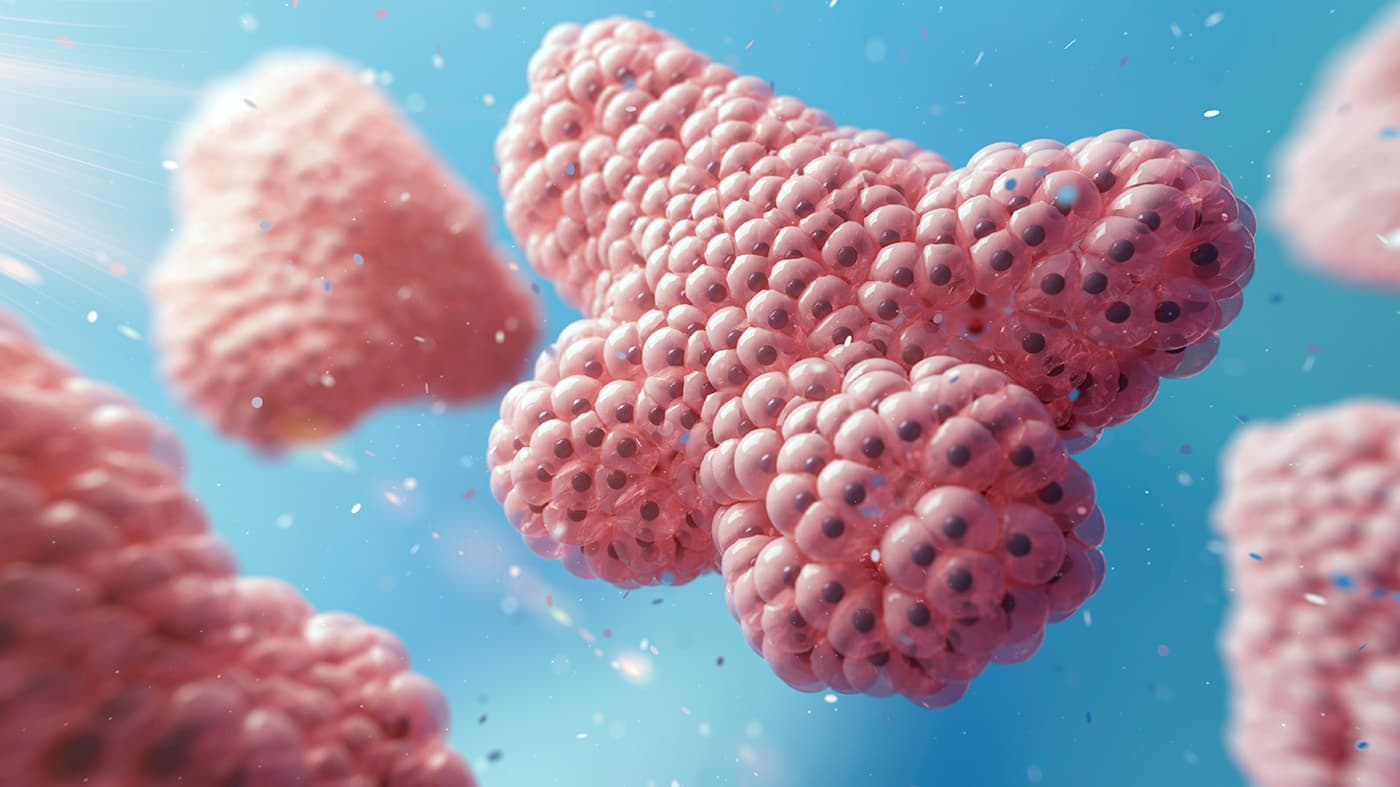
Over the last decade, organoids have become a prevalent tool to bridge the gap between cell and human studies.Each organoid typically begins with stem or progenitor cells from patients. In Engle’s lab, donor pancreas tissues were used to create miniature replicas of the pancreas. Findings based on a patient’s personalized organoid model could improve therapeutic effectiveness.
“By growing organoids directly from patients, we preserve key features of ductal cells and ask which disease mechanisms are active in each individual patient,” said Victoria Osorio-Vasquez, PhD, a postdoctoral researcher in Engle’s lab and first author of the study.
The researchers surveyed the molecular signatures in each organoid and found three subtypes of chronic pancreatitis. This biology-based patient stratification can inform optimal treatment.Results showed that approximately half of the organoids demonstrated dysfunctional CFTR.
“And CFTR dysfunction was not limited to patients with inheritedCFTRmutations, suggesting that functional testing may identify therapeutic opportunities that would be missed by genetic testing alone,” Osorio-Vasquez says.
Existing CFTR modulator therapies treat patients with cystic fibrosis. The findings suggest that these same therapies may offer pancreatic benefits. The researchers tested clinically available CFTR modulators and found that these therapies could stabilize or restore CFTR function and reduce inflammatory signaling in responsive pancreas organoids.
The platform also revealed rare alterations to genes,KRASandTP53,in some chronic pancreatitis organoids, supporting future use of the system to study disease evolution, pancreatic cancer risk, and biomarker discovery at the interface of chronic inflammation and pancreatic cancer.
“These organoids gave us a way to study chronic pancreatitis pathogenesis in human cells for the first time,” says Engle. “Our platform enables a more personalized way of studying and eventually treating chronic pancreatitis, while also blazing the trail for other organoid-based platforms in other inflammatory disease contexts.”
NewsCystic fibrosisGenetic testing (Genetics)Membrane proteinsMutationOrganoidsPancreatic cancerPancreatitisPrevious article
AstraZeneca Licenses Global Rights to Dizal Lung Cancer Drug for Up-to-$1.5BNext article
In vivoCAR T Industry Leaps Forward with Challenges AheadAlso of Interest
Bone Marrow-on-a-Chip Model Offers New Window Into Immune Cell Development and BehaviorAI Accelerates Biomanufacturing from Discovery to TranslationNRAS Mutations May Require Mutation-Guided Combination TherapiesNewBiologix and Synastra Join Forces to Advance rAAV Manufacturing for Duchenne Gene TherapyStockWatch: Revolution Shares Stay Flat Despite Historic FDA Approval of Oral Pancreatic Cancer TherapyMolecular Pathways Driving Autoantibody Production Following SARS-CoV-2 Infection IdentifiedRelated Media
AACR 2026 Video Update: Cancer Research Edges Toward an AI-Driven EraOmics in Orlando Day 2: A Video Report from AGBTSearch and Replace: Andrew Anzalone Details How Genome Editing Went Prime Time on “Close to the Edge”GEN Protocols Expert Exchanges: Patient-Derived Pancreatic Cancer Organoids Predict Response to TherapyShehnaaz Suliman, MD, MPhil, Discusses Targeted Respiratory Therapies on "Close to the Edge"George Church, PhD, Recounts Decades of Research, 38 Companies on “Close to the Edge”Top 5ResourcesRecommended For YouPodcast
Touching Base
Touching Base is the dynamic podcast series from the editors ofGEN. Each episode features a rotating case of senior editors—including John Sterling, Kevin Davies, Julianna LeMieux, Alex Phillippidis, Uduak Thomas, Corinna Singleman, and Fay Lin—who delve into emerging stories, exchange ideas, and debate the latest trends in biotech. Additionally, they talk to some of the leading voices in the industry about what's now and next.Start listening today!
Stay up to date with the lasted episodes of Touching Base bysubscribing to theGENPodcast Newsletter