Cortical Organoids Reveal Radial Glial Progenitor Lineage Dynamics
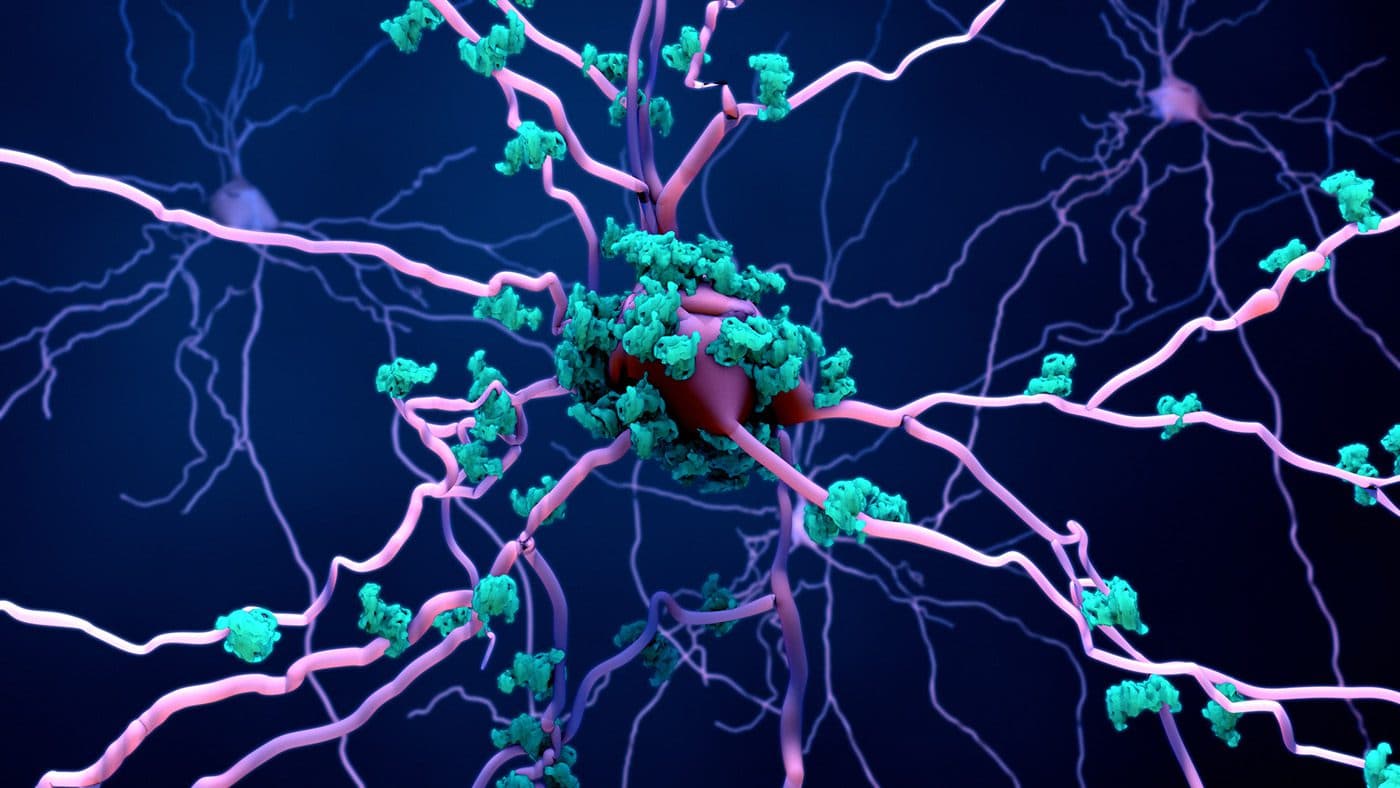
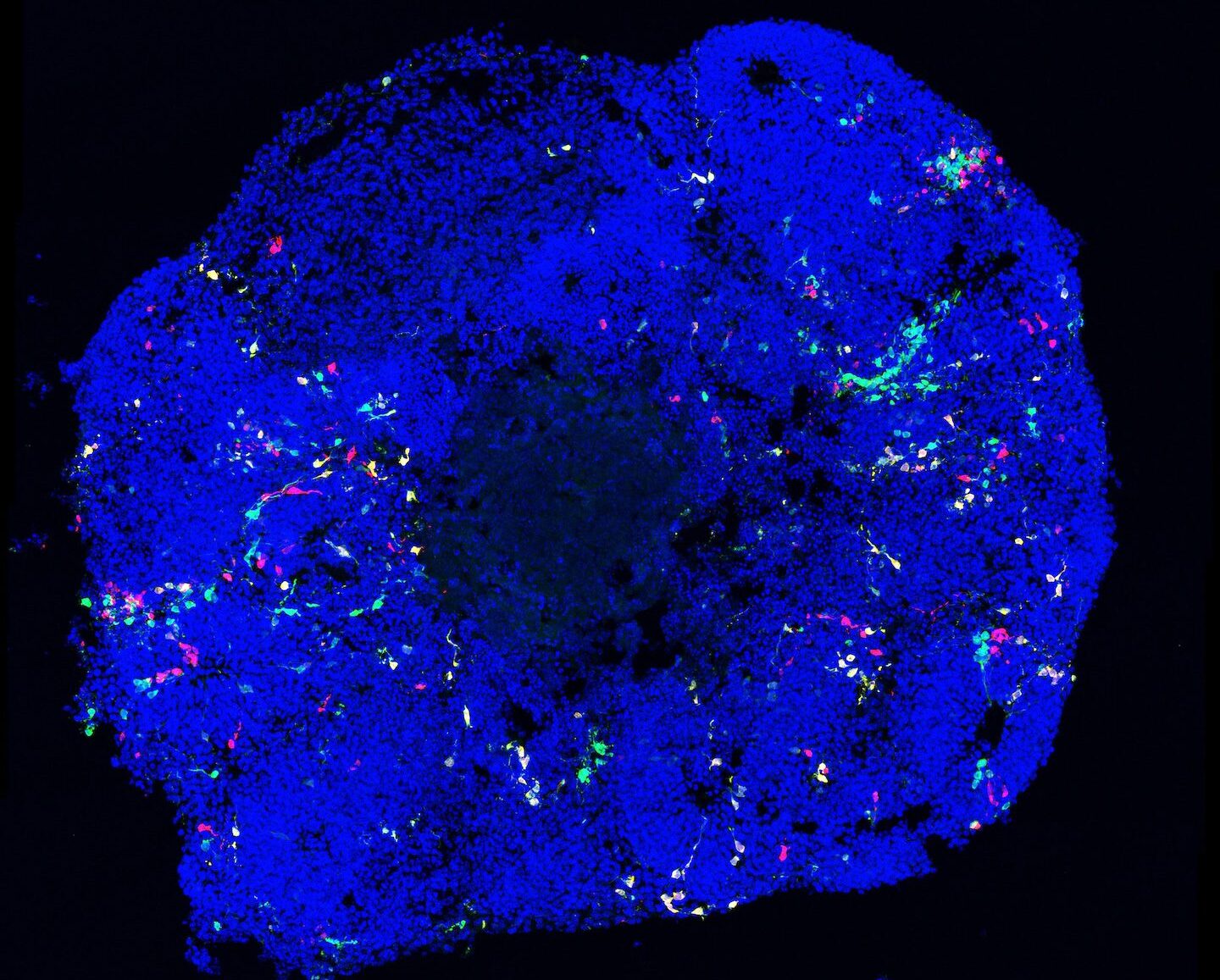
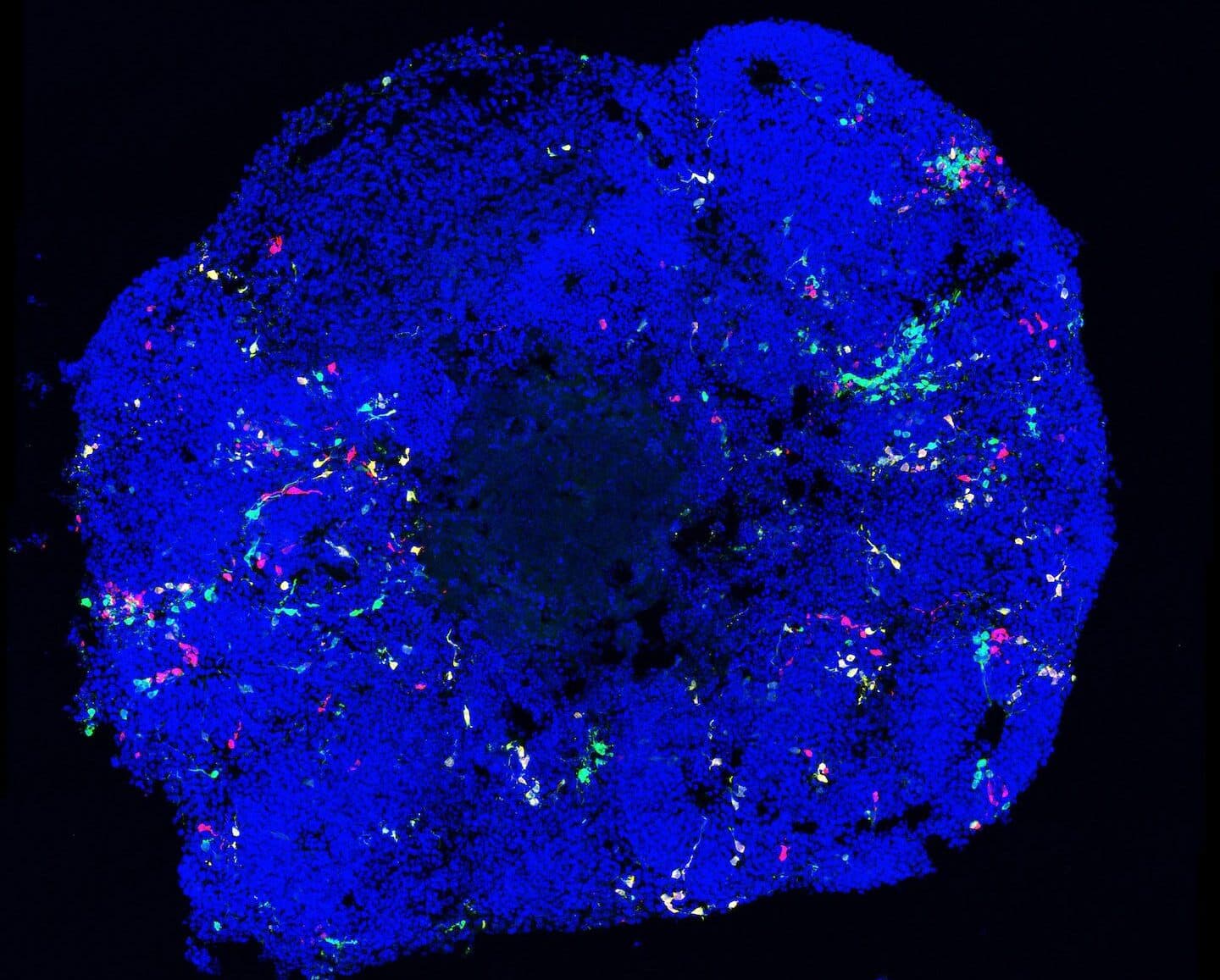
The cerebral cortex of the brain, responsible for higher-level cognitive processes, movement control, and sensory input processing, is composed of a wide variety of neurons and glial cells. Radial glial progenitors (RGPs) produce all excitatory neurons in the developing cerebral cortex. Now, for the first time, a quantitative framework of RGP lineage progression has been revealed. The team of researchers from the Institute of Science and Technology Austria (ISTA) established Mosaic analysis with double markers (MADM)-based lineage tracingin vivo—in mouse embryonic stem cells in a self-organizing cortical organoid system. The findings present critical time windows in development when compared to the real mouse brain.
This work is published inNaturein the paper, “Temporal uncoupling of radial glia lineage progression in cortical organoids.”
“In our lab we study how the brain develops from stem cells,” Simon Hippenmeyer, PhD, professor at the ISTA explains. “How a brain reaches the right size, how stem cells know when and into which neurons they should develop, but also what happens when something goes wrong during development or disease—for example, in microcephaly or macrocephaly, where the brain is unusually small or large.”
The researchers compared specific developmental stages of the mouse brain with those of the organoids. Using single-cell sequencing, they examined which cell types show up in both systems, their relative abundance, and at what point in time they emerge or disappear again.
“In the developmental stages we examined, we see very similar cell populations of the mouse brain with those of the organoids,” Hippenmeyer explains. “The molecular programs are similar.”
“Now that we had this rigorous organoid system, we were able to examine even more closely what happens to stem cells during cortical structure development—and compare these processes directly with ourin vivomodel, the mouse,” he continues.
Using MADM technology—a unique genetic method that makes it possible to track stem cell division during organogenesis—the group produced a clear roadmap of development in the mouse brain at the single progenitor cell level.
The team found that “RGPs exhibit a high level of plasticity in proliferative potential in organoids rather than strict temporally stereotyped lineage progression as observed in vivo.” In addition, RGPs in organoids showed “increased lineage restriction, diminishing cell-type diversity in clones of cortical projection neurons, despite uniform single-cell transcriptional signatures of RGPs and a unitary lineage trajectory.”
The researchers suspect that organoids lack certain external signals. The microstructures in Petri dishes form through self-organization, and due to being cultured in the lab, they lack many of the external influences that are present in the living organism.
“In our organoids, this does not seem to work perfectly,” says Hippenmeyer. “The physical force of self-organization alone is apparently not enough. Factors present inin vivosystems are missing—the so-called stem-cell niche.”
The stem-cell niche is the specific microenvironment in which stem cells live and are regulated. It includes, for example, neighboring cells, blood vessels, signaling molecules, and growth factors, as well as mechanical signals.
They write, “critical non-cell-autonomous cues that are absent in self-organizing systems and/or the genuine stem cell niche are essential for faithful temporal control of RGP lineage progression and the generation of clonal cortical cell-type diversity.
This work presents a robust protocol for producing cortical organoids from mouse cells. It also highlights the processes in development which are sensitive to changes to—or a lack of—the stem cell niche.
These findings are important for organoid research. They show how similarly certain developmental processes unfold in organoids and in the mouse brain—and up to what point, based on current knowledge, specific aspects of brain development can be reliably studied in an organoid.
NewsBrainNeuronsOrganoidsStem cellsTranscription factorPrevious article
Human Biological Datacenter to Launch to Train World Model of Human BiologyNext article
Cancer-Fighting Abilities of NK Immune Cells May Be Disrupted by Some Omega Fatty AcidsAlso of Interest
Bone Marrow-on-a-Chip Model Offers New Window Into Immune Cell Development and BehaviorAI Accelerates Biomanufacturing from Discovery to TranslationBicistronic Vectors + piggyBac = Improved Antibody Cell Line ProductionGenetic Toolkit Isolates Neuron Types inDrosophilaBrainUCSF QBI Awarded $46M to Translate Landmark Autism Map Into Precision TherapiesNeural Mechanism Identified That Drives Increased Alcohol Use in Isolated Male MiceRelated Media
AACR 2026 Video Update: Cancer Research Edges Toward an AI-Driven EraOmics in Orlando Day 2: A Video Report from AGBTGEN Protocols Expert Exchanges: Patient-Derived Pancreatic Cancer Organoids Predict Response to TherapyShehnaaz Suliman, MD, MPhil, Discusses Targeted Respiratory Therapies on "Close to the Edge"GEN Protocols Expert Exchanges: Tools and Techniques to Develop Therapies for Neurological DisordersGeorge Church, PhD, Recounts Decades of Research, 38 Companies on “Close to the Edge”Top 5ResourcesRecommended For YouPodcast
Touching Base
Touching Base is the dynamic podcast series from the editors ofGEN. Each episode features a rotating case of senior editors—including John Sterling, Kevin Davies, Julianna LeMieux, Alex Phillippidis, Uduak Thomas, Corinna Singleman, and Fay Lin—who delve into emerging stories, exchange ideas, and debate the latest trends in biotech. Additionally, they talk to some of the leading voices in the industry about what's now and next.Start listening today!
Stay up to date with the lasted episodes of Touching Base bysubscribing to theGENPodcast Newsletter