COVID-19 Reactivates Dormant Viruses, Offering New Clues to Long COVID
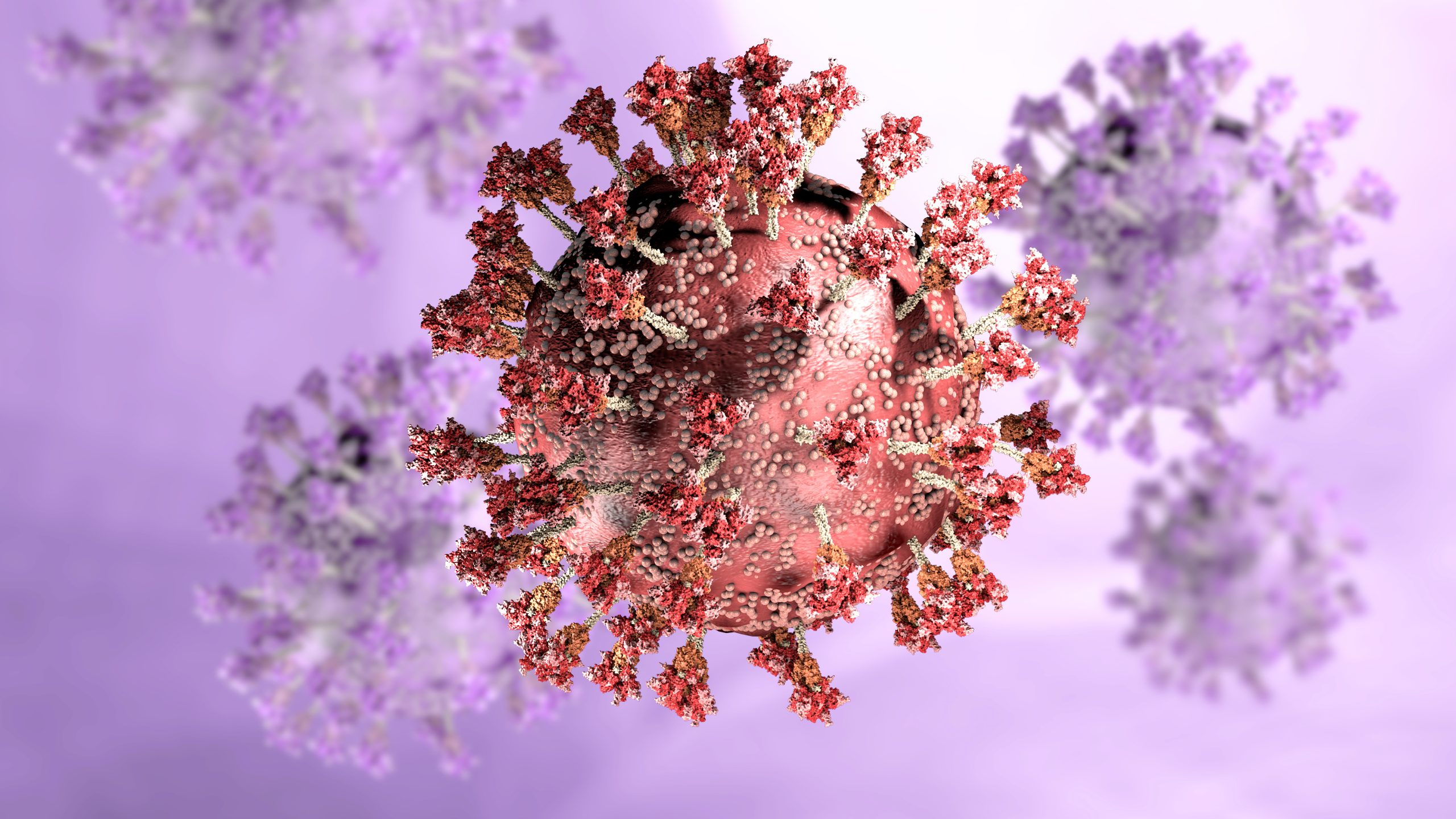
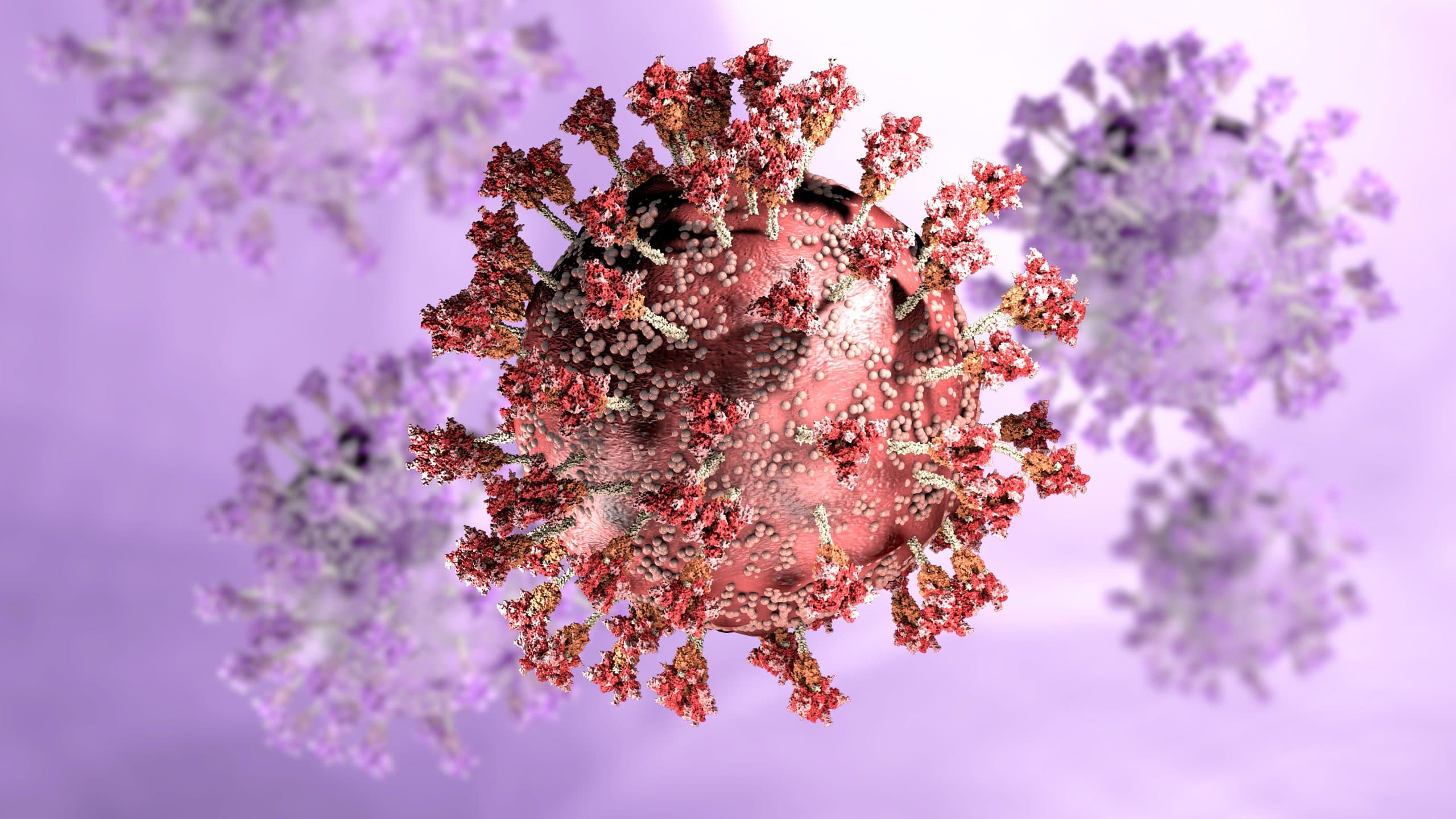
Chronically infecting viruses—such as Epstein Barr, cytomegalovirus, and herpes virus—are ubiquitous in humans. Although their presence is often innocuous and asymptomatic, the viruses can reactivate during stress, and emerging evidence suggests that their reactivation may contribute to autoimmune disease and other chronic conditions. SARS-CoV-2 infection is known to reactivate some chronic viruses, yet the full extent of the effects is not well understood.
Now, a study including 15 biomedical research institutions across the United States, Boston Children’s Hospital researchers and their collaborators have discovered that COVID-19 reactivates certain dormant viruses in hospitalized patients. These findings expand understanding of chronically infecting viruses and could inform development of strategies to combat their reactivation.
This work is published in a new study inNature, entitled, “Virus reactivation in acute and long COVID-19.”
The study leveraged multiomic longitudinal data of 1,154 patients with COVID-19 from the Immunophenotyping Assessment in a COVID-19 Cohort (IMPACC) study across 20 U.S. biomedical research hospitals. It was designed to define biomarkers of COVID-19 severity and outcomes.
“This is the largest and most comprehensive biomarker study of COVID-19, in which we followed more than one thousand patients, collected more than 200,000 samples, and generated more than one billion data points over the course of a year for this public resource,” says Joann Diray Arce, PhD, who leads the PVP-Data Management and Analysis Core and is the lead of the study’s Clinical and Data Coordinating Center.
The research team detected 11 reactivated viruses in patients within the first 40 days from admission, with the most detected ones being Epstein-Barr, herpes simplex 1, cytomegalovirus, andAnelloviridaeviruses. Notably, reactivation ofAnelloviridae, a poorly understood family of viruses typically latent in about 90 percent of the population, was associated prominently with long-term physical disability and long COVID.
“This association with long COVID is an interesting finding as millions around the world suffer from this chronic condition,” says Ofer Levy, MD, PhD, director of the Precision Vaccines Program (PVP) at Boston Children’s. “Having new insight as to the molecular and viral associations with long COVID could point the way to better understanding and ultimately better diagnostics and treatments.”
In an analysis of the blood samples from the patients, Epstein-Barr and cytomegalovirus seemed to activate in response to inflammation rather than immune system suppression. The researchers say this is a surprising new mechanism, challenging the prevailing view that chronic viral reactivation is primarily a consequence of immunosuppression. This finding demonstrates that reactivations occur frequently in apparently immunocompetent individuals during severe illness and in association with increased systemic inflammation.
In addition, the authors write, the findings “challenge the prevailing view that chronic viral reactivation is primarily a consequence of immunosuppression, demonstrating that reactivations occur frequently in immunocompetent individuals during severe illness and in association with increased systemic inflammation.” They also demonstrate persistence of viral reactivation in convalescence and report an association ofAnelloviridaewith long COVID.
“Although many no longer think of COVID being a problem, up to 50,000 Americans died of COVID in 2025-2026 respiratory season and some estimates suggest over 10 million U.S. adults suffer from long COVID,” says Levy. “We need to help these patients recover with the best outcomes.” He adds “Moreover, sooner or later, there may be another coronavirus pandemic, which means we need to learn all the lessons we can from COVID-19 to be better prepared.”
Next steps for this work will be to uncover how the immune system responds to these viruses over the course COVID-19, with the aim of identifying effective therapeutics and establishing the optimal timing of any interventions.
NewsBiomarkersCOVID-19Epstein barr virusHerpes simplex virusHuman cytomegalovirusImmune systemImmunosuppressive therapyPrevious article
Immune Pathway Identified That PreventsC. albicansInfection from Becoming DeadlyNext article
DNA Script Wins ARPA-H Award to Advance DNA ManufacturingAlso of Interest
PD-L2 Blockade May Reduce Harmful Aging Cell BuildupChronic Interferon Exposure Linked to Immunosuppression in CancerTop 10 Contract Development and Manufacturing Organizations 2026Regenerative Medicine in the Bronze Age: MSCs and MSC-EVs Leading the WayC. difficileHave Lasting Effects on the Infant Gut, Challenging Long-Held AssumptionMolecular Pathways Driving Autoantibody Production Following SARS-CoV-2 Infection IdentifiedRelated Media
Bye, Bye, Baltimore:GEN’s Takeaways from ASGCTAACR 2024: A Video Update from San DiegoEmerging Markets Collaborate to Succeed in Post-Pandemic WorldDr. Fauci Reflects on His 54 Year Career at the NIHHow COVID-19 Forever Changed the In Vitro Diagnostics MarketplaceLessons from the COVID Crisis: An Interview with Peter HotezTop 5ResourcesRecommended For YouPodcast
Touching Base
Touching Base is the dynamic podcast series from the editors ofGEN. Each episode features a rotating case of senior editors—including John Sterling, Kevin Davies, Julianna LeMieux, Alex Phillippidis, Uduak Thomas, Corinna Singleman, and Fay Lin—who delve into emerging stories, exchange ideas, and debate the latest trends in biotech. Additionally, they talk to some of the leading voices in the industry about what's now and next.Start listening today!
Stay up to date with the lasted episodes of Touching Base bysubscribing to theGENPodcast Newsletter