Darpa Awards UC San Diego Up to $11.3 Million for ‘Smarter’ Red...
Scientists at the University of California San Diego School of Medicine have been awarded a contract of up to $11.312 million from the Defense Advanced Research Projects Agency (DARPA) to pursue a research project aimed at developing optimized red blood cells that can temporarily boost human performance and health.
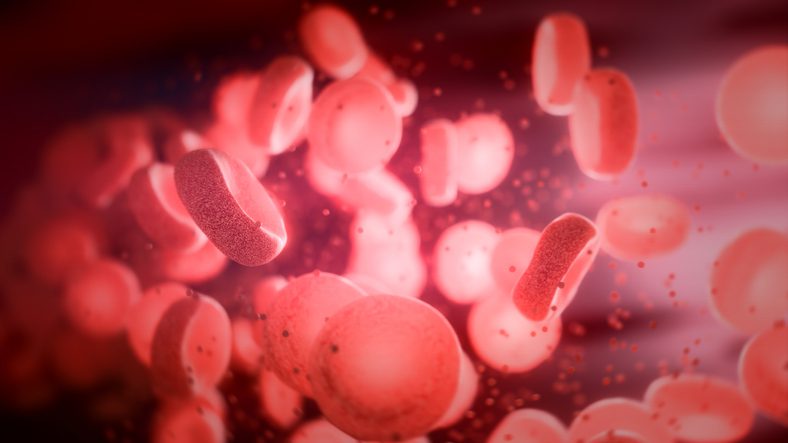
The three-year project seeks to create “smart” red blood cells capable of temporarily enhancing oxygen delivery in the body and will explore the potential of this technology to improve performance in military personnel, who are frequently placed in unforgiving environments where maintaining peak performance is essential to survival.
“This DARPA award is a testament to UC San Diego’s commitment to advancing cutting-edge research and innovation,” said John Carethers, MD, vice chancellor for health sciences at UC San Diego. “DARPA follows a ‘moonshot’ model, where the goal is nearly impossible but successful projects can be highly impactful, and our researchers tackle those challenges head on in order to push the boundaries of biomedical science.”
Oxygen plays a crucial role in the body’s energy production. By temporarily enhancing oxygen delivery, these smart red blood cells could help mitigate the effects of intense physical activity, improve endurance and support overall health.
“We are thrilled to receive this award from DARPA and to bring together a world-class team to work on this groundbreaking project,” said principal investigator Alejandro Chavez, MD, PhD, associate professor of pediatrics. “Blood cell engineering is still an emerging field, but our team is committed to exploring this technology and maximizing its potential for transforming human performance.”
While the current project focuses on developing the technology for use in military contexts, it also has the potential to improve athletic performance and help treat conditions involving a lack of oxygen in delivery to tissues, such as heart attacks, stroke, vascular diseases and diabetic skin ulcers.
“This project has the potential to revolutionize the field of red blood cell engineering,” said coinvestigator Hojun Li, MD, PhD, assistant professor of pediatrics, attending hematologist/oncologist at Rady Children’s Hospital, and member of UC San Diego Moores Cancer Center.
“While our focus in this current project is improving performance, if we achieve these goals, I’m excited to explore future possibilities of red cell engineering in cancer treatment, where both early detection and treatment of microscopic levels of disease could potentially be achieved by future iterations of ‘smart’ red blood cells.”
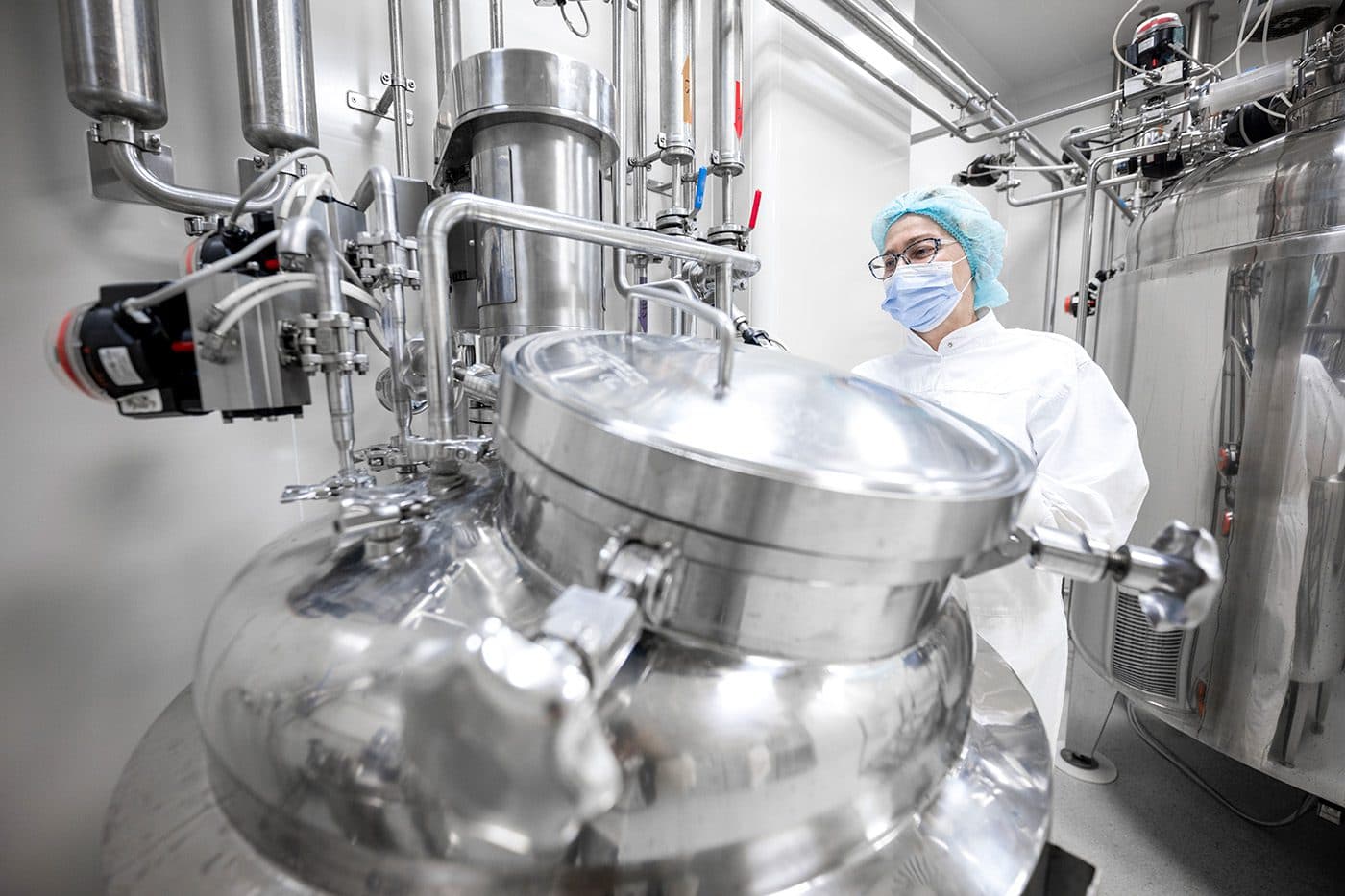
The project, which will be conducted in collaboration with colleagues at Northeastern University, University of Pennsylvania and Massachusetts Institute of Technology (MIT), will involve several key steps. First, the team will use gene editing techniques to modify red blood cells to sense when the body is undergoing physical exertion and respond by producing proteins that can improve oxygen delivery to tissue. Next, they will use a hollow fiber reactor to test and optimize the performance of these engineered red blood cells.
While the current project will involve no human testing, this line of research will enable further breakthroughs in regenerative medicine, which will help advance our understanding of human biology and develop new treatments for a range of diseases.
“This science is much bigger than this one project,” said Li. “It has the potential to open up new avenues for treating a wide range of conditions, from anemia to cancer, and we’re excited to be at the forefront of this research. With this award, we’re taking the first steps towards making this vision a reality, and we’re eager to see where this technology will take us.”
NewsAnemiaCancer therapyCancersErythrocyteProfessional and career developmentSkin diseasesStrokeVascular diseasesPrevious article
Synthetically Engineered Marine Bacteria Could Play Key Role in Decarbonizing the Atmosphere at Industrial ScalesNext article
Key Immune Cells Identified That Could Strengthen Flu VaccinesAlso of Interest
PD-L2 Blockade May Reduce Harmful Aging Cell BuildupWhat 25 Years of Research Have Revealed About 9/11’s Long-Term Health EffectsChronic Interferon Exposure Linked to Immunosuppression in CancerCAR T Manufacturing in Japan Gets Boost from Teijin-Shinshu University Research CollaborationAnticancer Candidate Strengthens Bones and Prevents Weight Gain in Postmenopausal MiceWith $116M in Series A Financing, BrainChild Bio Targets CNS Tumors, Starting with One in Children’s BrainstemsRelated Media
AACR 2026: A Video Update from San DiegoAACR 2025: A Video Update from ChicagoAACR 2024: A Video Update from San DiegoCelebrating DNA: Matthew Cobb's Reflections on the Double HelixBook Review: The ExceptionsThe Sun Sets on AGBT: A Report from the Last DayTop 5ResourcesRecommended For YouPodcast
Touching Base
Touching Base is the dynamic podcast series from the editors ofGEN. Each episode features a rotating case of senior editors—including John Sterling, Kevin Davies, Julianna LeMieux, Alex Phillippidis, Uduak Thomas, Corinna Singleman, and Fay Lin—who delve into emerging stories, exchange ideas, and debate the latest trends in biotech. Additionally, they talk to some of the leading voices in the industry about what's now and next.Start listening today!
Stay up to date with the lasted episodes of Touching Base bysubscribing to theGENPodcast Newsletter