Early Genomic Indicators of Praziquantel Resistance in Schistosoma mansoni
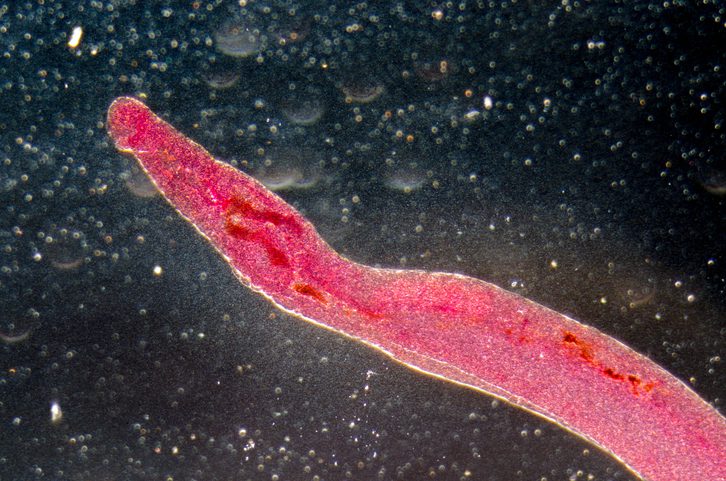
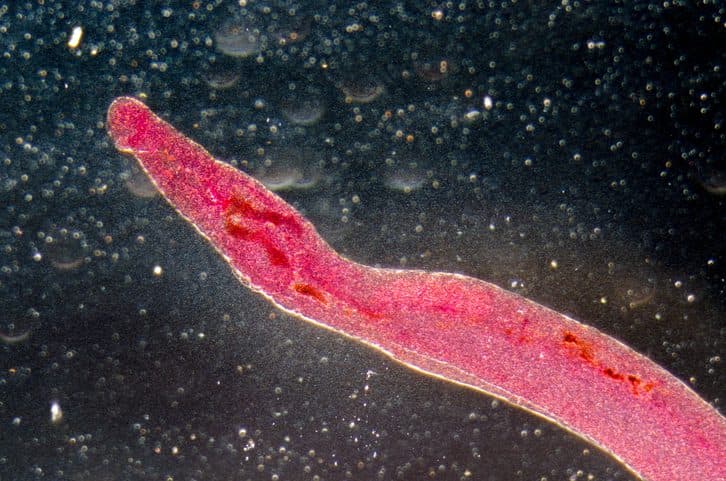
The warning signs are subtle—genetic variants scattered across a vast parasite genome—but together they sketch a picture that disease‑control and elimination programs can’t afford to ignore. A new study published inScience Advances,“Extensive parasite transmission and variation in a functional receptor associated with drug resistance in endemicSchistosoma mansoni,”reveals genomic changes in the parasite that cause schistosomiasis, which may reduce its sensitivity to praziquantel, the only drug currently available to treat the disease.
The international team, led by researchers at the Wellcome Sanger Institute, the Royal Veterinary College, and the Medical College of Wisconsin, analyzedwhole‑genome sequence data from 570Schistosoma mansoniparasitescollected across Africa and the Caribbean. As the paper noted,“Mass drug administration (MDA) with praziquantel is the cornerstone of schistosomiasis control and elimination efforts.”Yet after two decades of large‑scale treatment campaigns, the parasite’s genome is beginning to show signs of drug resistance.
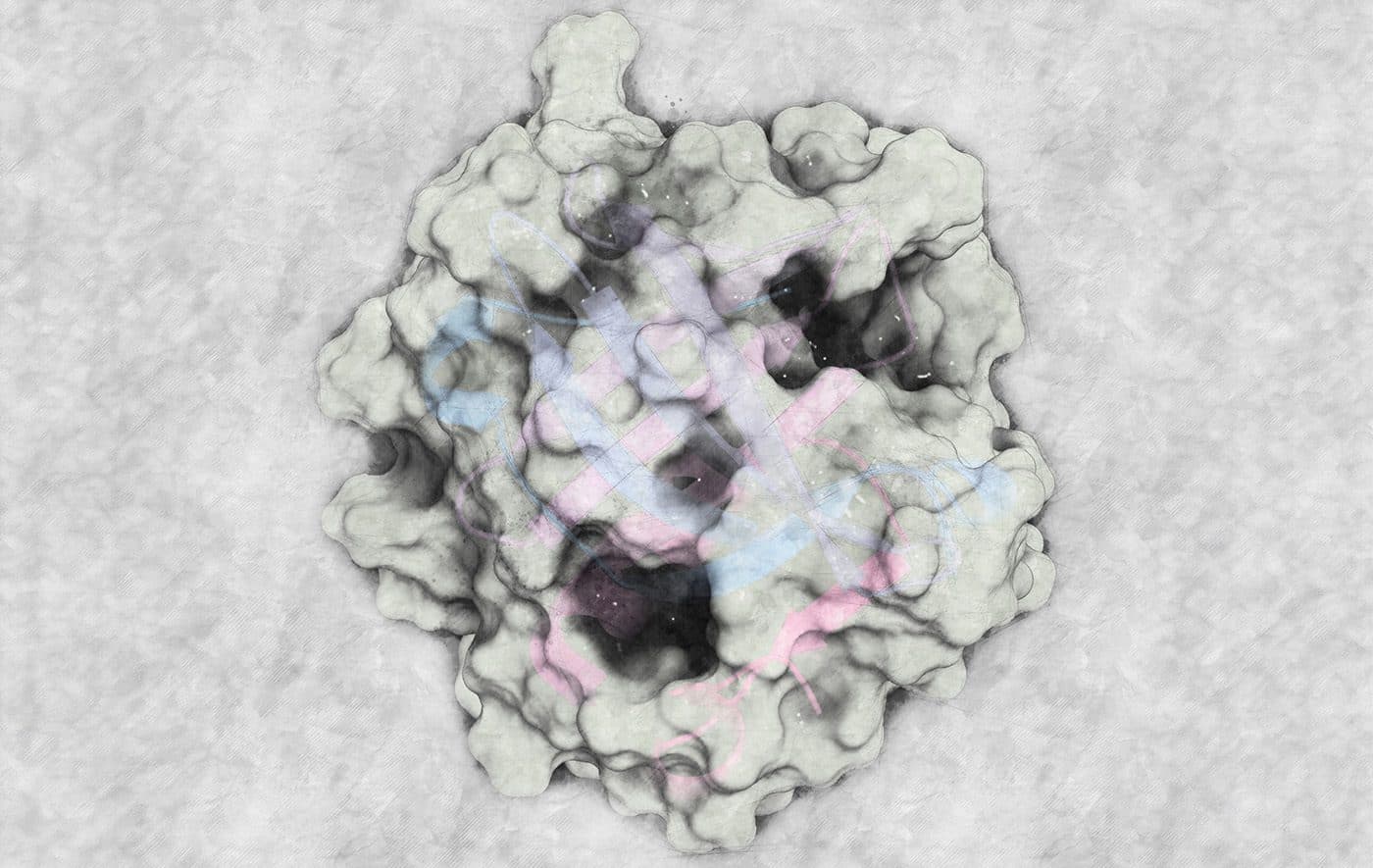
The study uncovered extensive long‑distance transmission ofS. mansoniand a striking degree of genetic diversity across endemic regions. But the most consequential finding lies inSm.TRPMpzQ, a transient receptor potential (TRP) melastatin ion channelrecently identified as praziquantel’s molecular target. Researchers foundfour naturally occurring variantsin this receptor with reduced praziquantel sensitivity.
In some cases, parasites persisted even after treatment. As the paper reports,“Analyses of parasite infrapopulations collected from people pre‑ and post‑praziquantel treatment further identified instances of treatment failure, supporting the potential for praziquantel resistance.”
For global health programs that rely entirely on praziquantel, these findings represent an early but important signal.
Stephen Doyle, PhD, co‑senior author and group leader and UKRI Future Leaders Fellow at the Wellcome Sanger Institute, emphasized the shift this genomic insight enables: “Whole‑genome sequencing gives us an unprecedented window into how schistosome populations are structured and evolving across Africa, and by characterizing variation in the drug’s molecular target at scale, we can move from reactive surveillance to proactive monitoring.”
Professor Joanne Webster, DPhil, of the Royal Veterinary College and director of the Global Centre for Neglected Tropical Disease Research, underscored the stakes: “While praziquantel remains largely highly effective, our findings provide a sobering warning about the reliance on a single drug for schistosomiasis control and highlight the need for comprehensive surveillance to monitor the potential emergence of drug resistance.”
Schistosomiasis affects more than 250 million people worldwide, with 90% of infections occurring in sub‑Saharan Africa. With elimination targets set for 2030, the emergence of resistance could jeopardize decades of progress.
The authors argue that genomic surveillance should become a routine part of schistosomiasis control. Their dataset, the largest genomic analysis ofS. mansonifrom human infections to date, provides a baseline for tracking resistance‑linked variants as MDA programs continue.
NewsDrugsInfectious diseasesIon channelsMicrobial drug resistanceParasitesPrevious article
Flu Virus Interaction with Host Cell Machinery Mapped Inside Infected CellsNext article
Revvity Creates Program to Equip Young Biotechs with Scalable Informatics Capabilities Sooner than LaterAlso of Interest
Aprea Expands Development of WEE1 Inhibitor After Seeing Early Clinical Activity Signs vs. CancerMalaria-CausingPlasmodiumin Uganda Show Rapid Spread of Drug Resistance MutationsOnshoring Is Here. The Hiring Wave Is Still a Decade OutLatigo Reports Positive Phase IIb Data for Non-Opioid Acute Pain CandidateBiopharma Hungry for GLP-1 Receptor Agonist Manufacturing SkillsGenome Mining Points to Less Toxic, More Potent Polyene Antifungals in MiceRelated Media
BIO CEO Rachel King Outlines Industry's Challenges on "Close to the Edge"Emerging Markets Collaborate to Succeed in Post-Pandemic WorldLessons from the COVID Crisis: An Interview with Peter HotezHelen Sabzevari, PhD, of Precigen Connects Cancer and the Immune System on "Close to the Edge"Collaborating for Filtration Success, VirtuallyGENcast: Back to the Lab – Embracing ChangeTop 5ResourcesRecommended For YouPodcast
Touching Base
Touching Base is the dynamic podcast series from the editors ofGEN. Each episode features a rotating case of senior editors—including John Sterling, Kevin Davies, Julianna LeMieux, Alex Phillippidis, Uduak Thomas, Corinna Singleman, and Fay Lin—who delve into emerging stories, exchange ideas, and debate the latest trends in biotech. Additionally, they talk to some of the leading voices in the industry about what's now and next.Start listening today!
Stay up to date with the lasted episodes of Touching Base bysubscribing to theGENPodcast Newsletter