Sign in
Welcome! Log into your account
Forgot your password? Get helpPrivacy PolicyPassword recovery
Recover your password
A password will be e-mailed to you.
GEN – Genetic Engineering and Biotechnology NewsHomePodcastsGENcastEnabling In Vivo Lentiviral Therapies: Manufacturing Strategies to Improve Purity, Scalability, and...
Credit: Stocktrek Images/ Getty Images
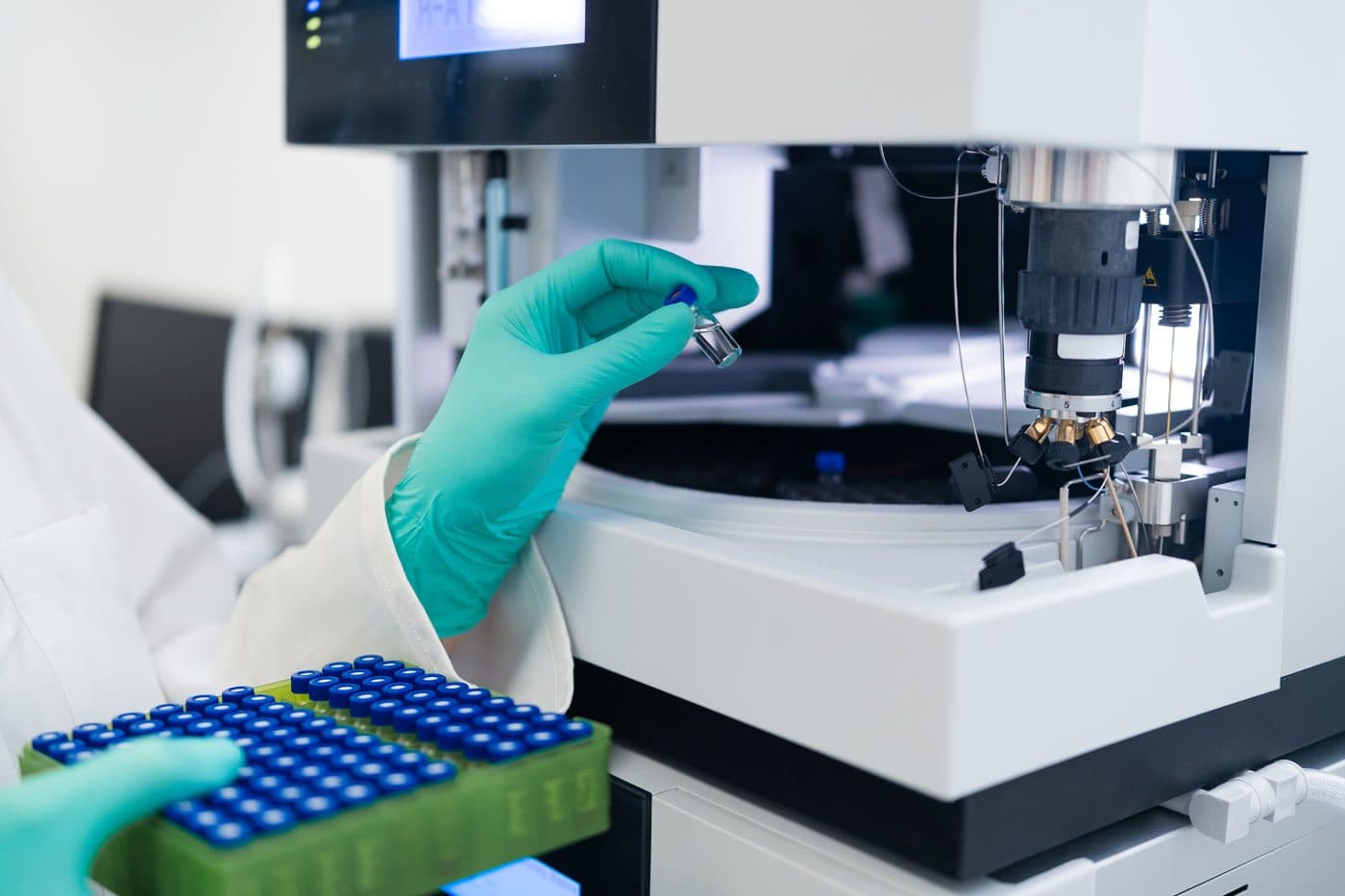
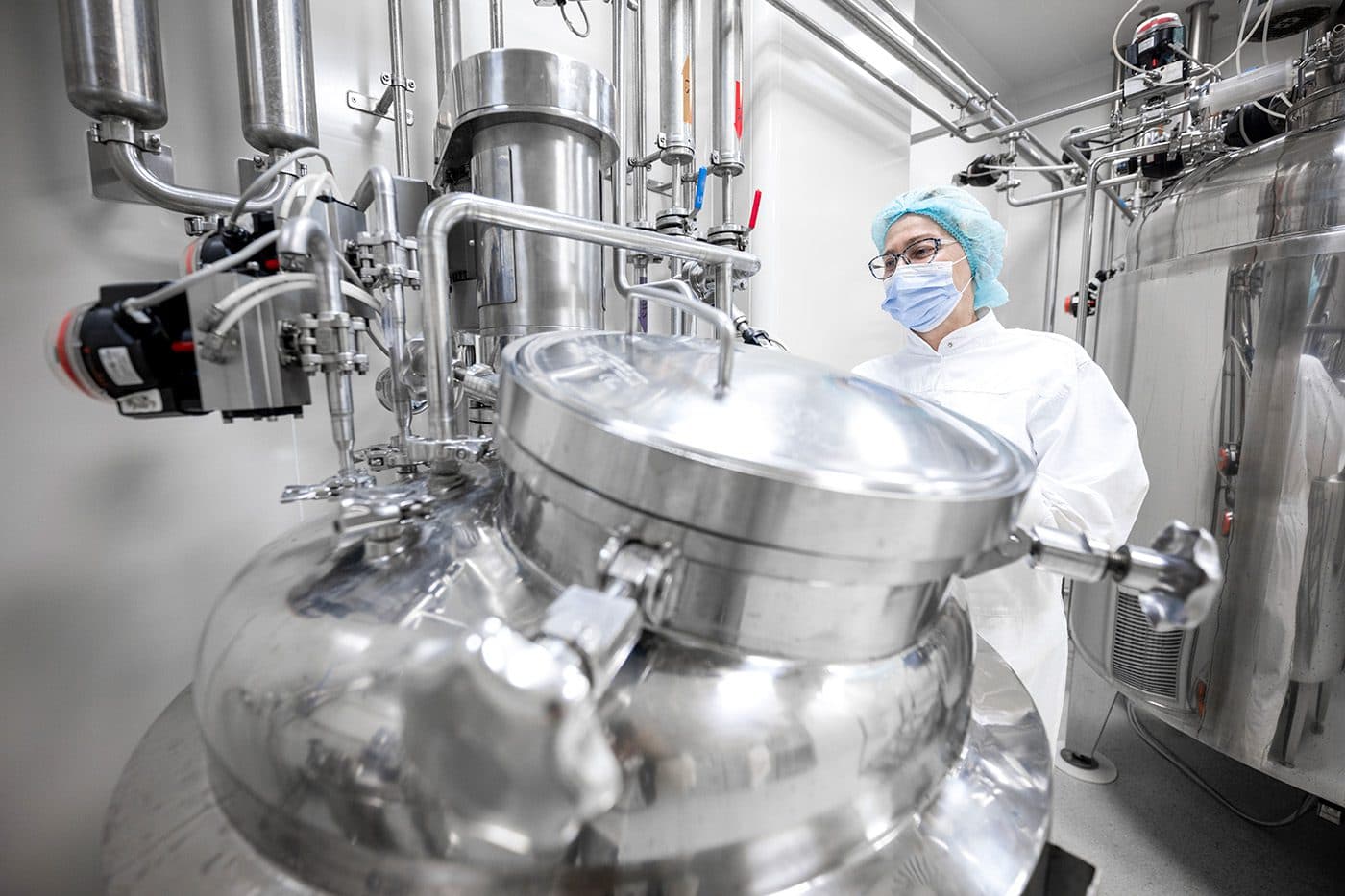
Lentiviral vectors are gaining momentum not just asex vivotools but as potentialin vivotherapeutic platforms. But with that shift comes a number of manufacturing challenges, including higher doses, tighter control of impurities, greater batch consistency, and scalable processes to meet both clinical and commercial needs.
In this GEN Podcast, two experts from SK pharmteco, a global CMO, address these challenges and lay out some best practices that guide the manufacture of lentiviral vectors with the requisite purity, robustness, and economic feasibility required for widespread clinical adoption.
Podcast Guests:
CTO, Cell and Gene Therapy
SK pharmteco
Director of Manufacturing,
Science and Technology
SK pharmteco
Produced with support from:
Also of Interest
Top 10 Contract Development and Manufacturing Organizations 202610 CDMO Up & Comers 2026Design for Commercial Scale from Day OneTargeted Lentiviral Delivery Without Vector ReengineeringProBioGen Grants Transgene Additional License for AGE1.CR.pIX Cell LineClean Cells Broadens Viral Safety Testing Portfolio with NGSRelated Media
AI in Protein Design: Hype vs. Reality Explained by David BakerAddressing Barriers in Gene TherapyPart I: MassGeneral’s Rudy Tanzi, PhD, Shares New Genetic Findings on Alzheimer’sCopyright © 2026 Sage Publications or its affiliates, licensors, or contributors. All rights reserved, including those for text and data mining and training of large language models, artificial intelligence technologies, or similar technologies.
MORE STORIES