Epitope Editing Strategy Could Enable Less Toxic Stem Cell Transplants
Stem cell transplantation and gene therapy are among the most powerful curative approaches for blood diseases such as sickle cell disease, β-thalassemia, immune deficiencies, and some blood cancers. Replacing or correcting the blood-forming stem cells can offer the possibility of long-lasting benefit or a cure. However, before patients can receive these therapies, they usually need intensive and potentially toxic chemotherapy or radiation to clear space in the bone marrow for the new stem cells.
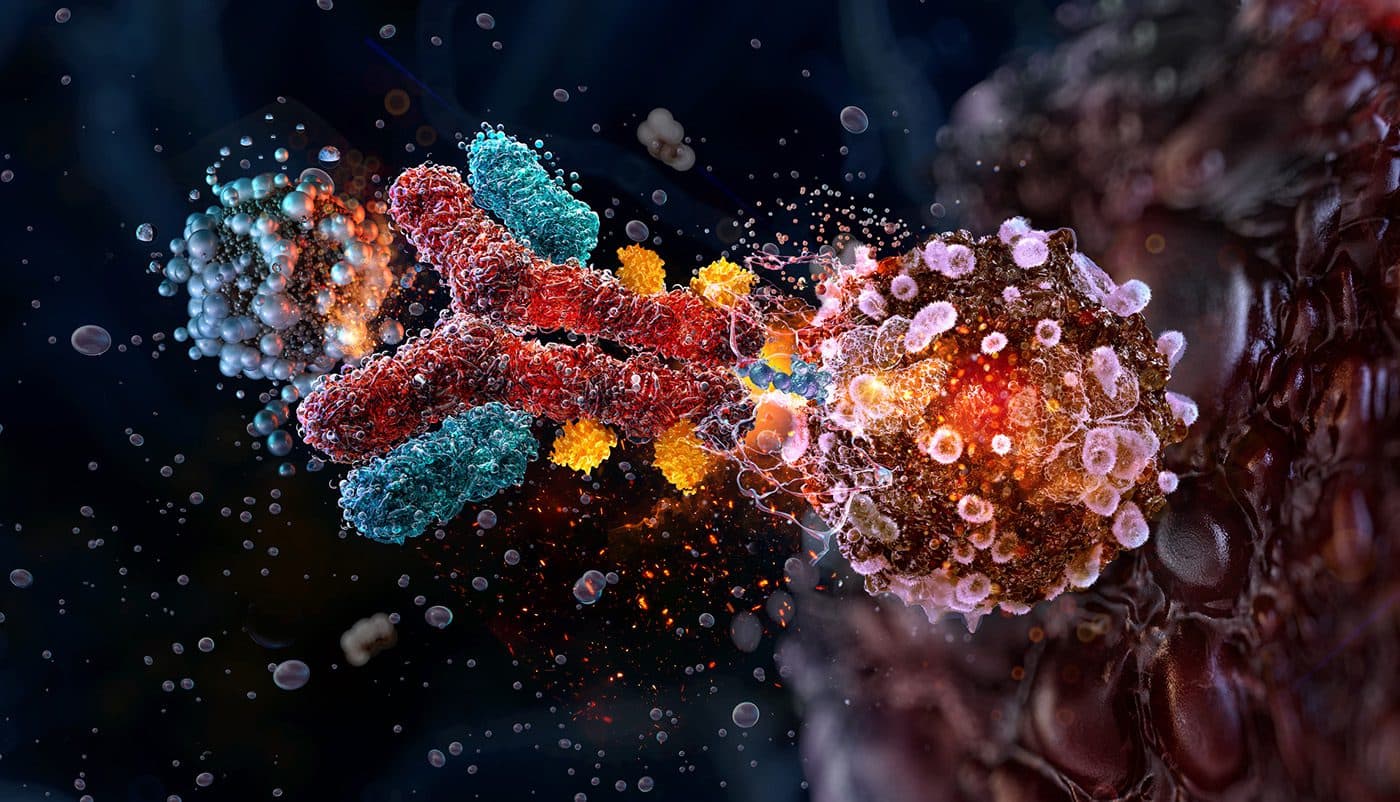
Researchers headed by teams at Boston Children’s Hospital and Dana-Farber Cancer Institute have developed a new strategy to make stem cell transplants safer by replacing chemotherapy-based treatment with a more targeted approach. Instead of using toxic agents that damage DNA throughout the body, the team developed an donor stem cell epitope-editing strategy and antibodies that recognize surface markers only on the blood-forming stem cells that need to be depleted. Reporting on their developments inNature(“Non-genotoxic transplantation andin vivoselection through epitope editing,”) the team demonstrated that these antibodies can help clear the patient’s existing stem cells from the bone marrow in a more selective, less toxic way.
Hematopoietic stem/progenitor cell (HSPC) transplantation (HSCT) is a cornerstone therapy for a wide range of malignant and non-malignant conditions, “… leveraging the unique regenerative capacity of HSPCs to replenish the hematopoietic system,” the authors wrote. However, they pointed out, the short-term and long-term effects of pre-transplant genotoxic conditioning represent real barriers to broader use of HSPC transplantation and gene therapies.
Although monoclonal antibodies have been proposed as alternatives to chemotherapy or radiotherapy, they are also associated with efficacy and safety challenges, the team noted. An antibody normally cannot distinguish between the patient’s original stem cells and the infused therapeutic stem cells from the treatment. If the antibody remains in the body, it may also attack these transplanted cells, preventing them from integrating. “… immune-based agents pose efficacy and safety challenges due to nonselective targeting of transplanted HSPCs and prolonged half-life, leading to on-target depletion,” the investigators stated.
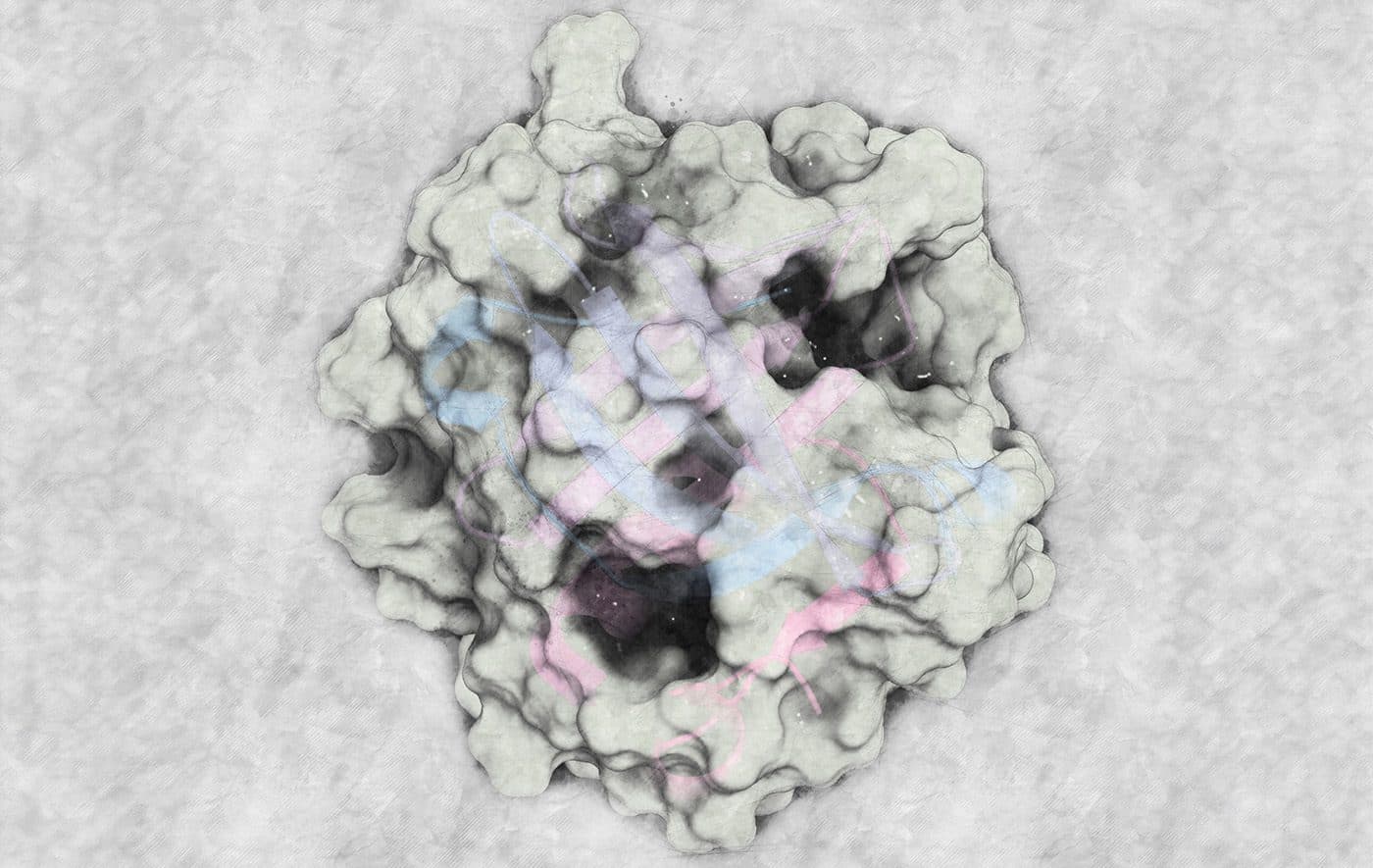
Researcher Pietro Genovese, PhD, of the Dana-Farber/Boston Children’s Cancer and Blood Disorders Center, and his team solved this problem by giving the therapeutic stem cells a form of molecular protection. Using precise genome-editing tools, they made changes to a tiny recognition site—epitope—on the surface of the donor stem cells. This small change prevented the antibody from binding to the therapeutic cells, while preserving the normal function of the protein. “… we identified amino acid changes in the extracellular domain of KIT that disrupt the binding of two therapeutic monoclonal antibodies, which impair stem cell factor (SCF)-mediated signaling without affecting KIT expression or functionality,” they explained.
The edited stem cells were in effect given a molecular camouflage. They could hide from the antibody, while the unedited cells remained vulnerable. In previousworkthe team had used the same general principle of epitope editing to protect healthy blood stem cells from cancer immunotherapies, such as CAR T cells or therapeutic antibodies, while allowing those therapies to attack leukemia cells.
The newly reported approach included therapeutic editing of blood stem cells to increase fetal hemoglobin (HbF), a protective form of hemoglobin that can compensate for the defective adult hemoglobin found in sickle cell disease and β-thalassemia. “In our experiments, KIT and BCL11A were efficiently co-edited in primary HSPCs, endowing their progeny with both HbF induction and mAb resistance,” the investigators commented. The results showed that the protected, epitope-edited stem cells can survive antibody treatment, integrate in the bone marrow, and enrich gradually over time. The findings point to a new way to make room for transplanted cells, and also selectively favor the therapeutic cells after transplantation.
“By avoiding chemotherapy, we can open up stem cell transplants for diseases that are less severe or for fragile patients normally too sick or too high risk for transplantation,” said first author Gabriele Casirati, MD, an instructor in Genovese’s lab. “Typically, bone marrow transplants are reserved for patients with life-threatening diseases but are simultaneously limited to those patients who can tolerate the chemotherapy.”
This work could have implications for the future of both stem cell and gene therapy. First, it may help enable chemotherapy-free or chemotherapy-sparing transplantation approaches, reducing the burden of treatment for patients who currently face the risks of DNA damage. Second, because the antibody can continue to select for protected cells after transplantation, the strategy could help therapeutic stem cells reach the levels needed for clinical benefit. “In conclusion, our findings support the paradigm-shifting potential of epitope editing to design next-generation HSCT,” the team stated.
The broader significance extends beyond inherited blood disorders. Together, these studies suggest that epitope editing could become a flexible platform: one application could make stem cell transplantation and gene therapy safer, while another could expand the use of cancer immunotherapy by protecting normal blood formation from unintended damage. “… by overcoming the limitations of monoclonal antibody pharmacokinetics, epitope editing enables novel hematopoietic replacement regimens that are not limited by on-target graft elimination, allowing prolonged immune-based conditioning that maximizes hematopoietic niche clearance without chemo-radiotherapy or monoclonal antibody wash-out,” they noted.
“Although this work is still preclinical, it points toward a future in which patients may receive curative stem cell therapies with less toxicity, less reliance on chemotherapy, and greater precision,” said Genovese. “By combining targeted biological conditioning with molecularly protected therapeutic stem cells, this strategy offers a new framework for safer and more accessible treatments for a wide range of blood diseases.”
The technology used in this study is jointly owned by Boston Children’s and Dana-Farber Cancer Institute. In their paper the team commented, “We envision a future where patients receive life-saving stem cell therapies without risks of prolonged aplasia, infertility or secondary malignancies, and with minimal or no hospitalization.”
NewsGene editingGene therapy (Therapeutics)Hematologic diseasesHematopoietic stem cellSickle cell diseaseStem cell therapiesStem cell transplantationPrevious article
Fujifilm Selected with Six Others in FDA PreCheck Pilot Manufacturing ProgramNext article
Texas Biomed Enters Into a CRADA with U.S. Dept. of War to Help Protect Against Biological ThreatsTop 5ResourcesRecommended For YouPodcast
Touching Base
Touching Base is the dynamic podcast series from the editors ofGEN. Each episode features a rotating case of senior editors—including John Sterling, Kevin Davies, Julianna LeMieux, Alex Phillippidis, Uduak Thomas, Corinna Singleman, and Fay Lin—who delve into emerging stories, exchange ideas, and debate the latest trends in biotech. Additionally, they talk to some of the leading voices in the industry about what's now and next.Start listening today!
Stay up to date with the lasted episodes of Touching Base bysubscribing to theGENPodcast Newsletter