Genetic Map Opens Door to Development of New Therapies to Reverse Bone...
An international team of scientists report that they have successfully mapped the cells and genes that regulate bone formation and loss and discovered the critical role that blood vessel cells play in bone health. By combining genomic sequencing with data from half a million individuals, the research team identified hundreds of previously unknown genes that govern bone health and revealed cells surrounding blood vessels as one of the drivers of bone repair.
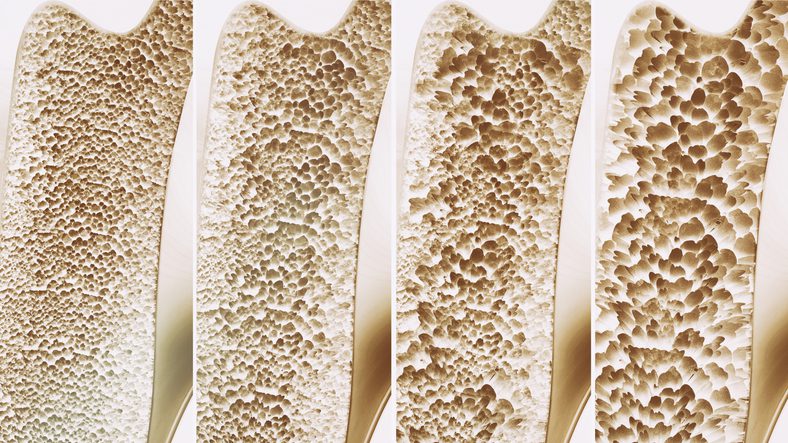
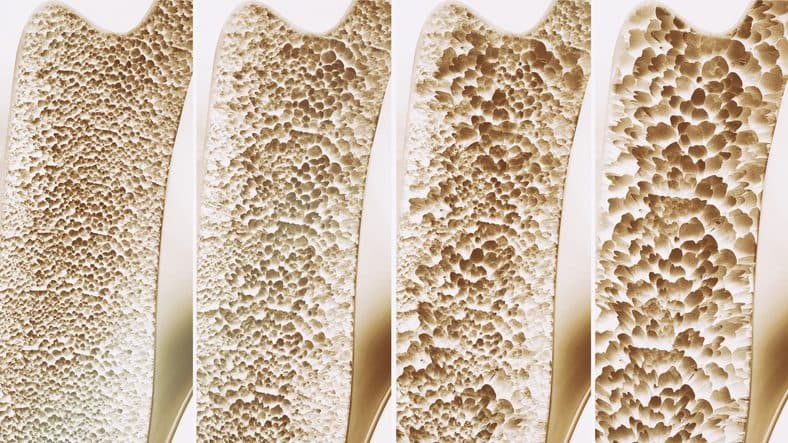
The study“Multiscale analysis and functional validation of the cellular and genetic determinants of skeletal disease” is published inNature Genetics. The team says its findings fundamentally enhance our understanding of skeletal disease. It is hoped the discovery will enable the development of new therapies to rebuild lost bone, offering hope to almost half of all individuals over 50 living with rare and common skeletal conditions such as osteoporosis, osteoarthritis and osteogenesis imperfecta, as well as those with rare bone disorders and cancers that spread to bone.
“Most people don’t realize that bones are constantly changing; the human body replaces its skeleton every 10 years or so,” said Peter Croucher, PhD, professor at the Garvan Institute of Medical Research in Australia. “This is a hugely important process, but until now we’ve had a limited understanding of the cells and mechanisms that control this turnover of bone. “Most of the drugs now available focus only on halting bone disease, rather than rebuilding lost bone, which is really important for reversing damage.”
Detailed map of cells and genes that regulate bone health
The team used single-cell RNA sequencing to measure which genes are switched on within individual cells found in bone, focusing on the interface between the hard bone and bone marrow which is the key site for the formation and breakdown of bone.
The Institute’s Ryan Chai, PhD, pointed out that the team’s analysis found 34 different groups of cells and defined the genes that are active in each of these cell types. “To our surprise, more than half of the genes identified have never before been shown to play a role in maintaining bone health, which is a significant finding,” he added.
The team used its map to identify cells involved in rare and common skeletal diseases, including osteogenesis imperfecta and osteoporosis. For the latter, the researchers analyzed the
UK Biobank, one of the world’s biggest and most comprehensive collections of biological samples.
By analyzing genetic and bone density data from half a million people participating in the UK Biobank, the team was able to pinpoint exactly which cells drive skeletal disease, according to John Kemp, PhD, associate professor from Mater Research.
“These include cells known to regulate bone formation and bone loss, as well as blood vessel cells that, until now, have had underappreciated roles in bone health,” he said.
Croucher explained that the research uncovered new therapeutic opportunities against not only bone disease, but also cancer. “Bone is the main hiding place for dormant cancer cells and a common site of relapse, so identifying the cells and genes that drive bone turnover also opens new opportunities to prevent cancer metastasis,” he said.
The team is now further investigating the roles of newly discovered bone-regulating cells and genes in the hope of developing new medicines against these targets. Its data has been made accessible to medical researchers worldwide through an open access platform.
NewsBone healingCancersGenome sequencingOsteoarthritisOsteoporosisSingle-cell RNA sequencingPrevious article
StockWatch: Insilico Projects Profit, Revenue Leaps as AI-Developed Lead Candidate Moves to Phase IIINext article
Immune Evasion Uncovered by Virome-Wide Ubiquitin Ligase DiscoveryAlso of Interest
PD-L2 Blockade May Reduce Harmful Aging Cell BuildupWhat 25 Years of Research Have Revealed About 9/11’s Long-Term Health EffectsChronic Interferon Exposure Linked to Immunosuppression in CancerCAR T Manufacturing in Japan Gets Boost from Teijin-Shinshu University Research CollaborationAnticancer Candidate Strengthens Bones and Prevents Weight Gain in Postmenopausal MiceWith $116M in Series A Financing, BrainChild Bio Targets CNS Tumors, Starting with One in Children’s BrainstemsRelated Media
AACR 2026: A Video Update from San DiegoAACR 2025: A Video Update from ChicagoAACR 2024: A Video Update from San DiegoSpace Race: 10x CEO Serge Saxonov Discusses Single Cell and Spatial Biology on “Close to the Edge”GEN Protocols Expert Exchanges: Single-Cell RNA Sequencing--Challenges and SolutionsFront Row Series 2: AI in Drug Discovery and DevelopmentTop 5ResourcesRecommended For YouPodcast
Touching Base
Touching Base is the dynamic podcast series from the editors ofGEN. Each episode features a rotating case of senior editors—including John Sterling, Kevin Davies, Julianna LeMieux, Alex Phillippidis, Uduak Thomas, Corinna Singleman, and Fay Lin—who delve into emerging stories, exchange ideas, and debate the latest trends in biotech. Additionally, they talk to some of the leading voices in the industry about what's now and next.Start listening today!
Stay up to date with the lasted episodes of Touching Base bysubscribing to theGENPodcast Newsletter