Genetic Study Links Excessive Sweating to Neurological Dysfunction
Data from a new study suggest that a form of hyperhidrosis, or excessive sweating, may be due to genetic mutations that result in the overstimulation of the nerves that control the sweat glands. These findings, which are reported inScience Advances, could open a door to targeted treatments for the condition using existing medicines. Full details of the findings are provided in the paper titled “A neurocutaneous NaV1.8 channelopathy underlies a genetic subtype of primary idiopathic hyperhidrosis.” The international study is led by scientists at Vrije Universiteit Brussel.
Excessive sweating, which affects roughly two to five percent of the population, causes more than just discomfort. The impact of the condition on the daily lives of people living with it can be very severe. Patients often sweat so profusely that they have to change clothes several times a day. Many avoid social contact, experience shame, and develop depression. Yet the condition is often seen as a superficial skin problem and patients often do not receive appropriate care.
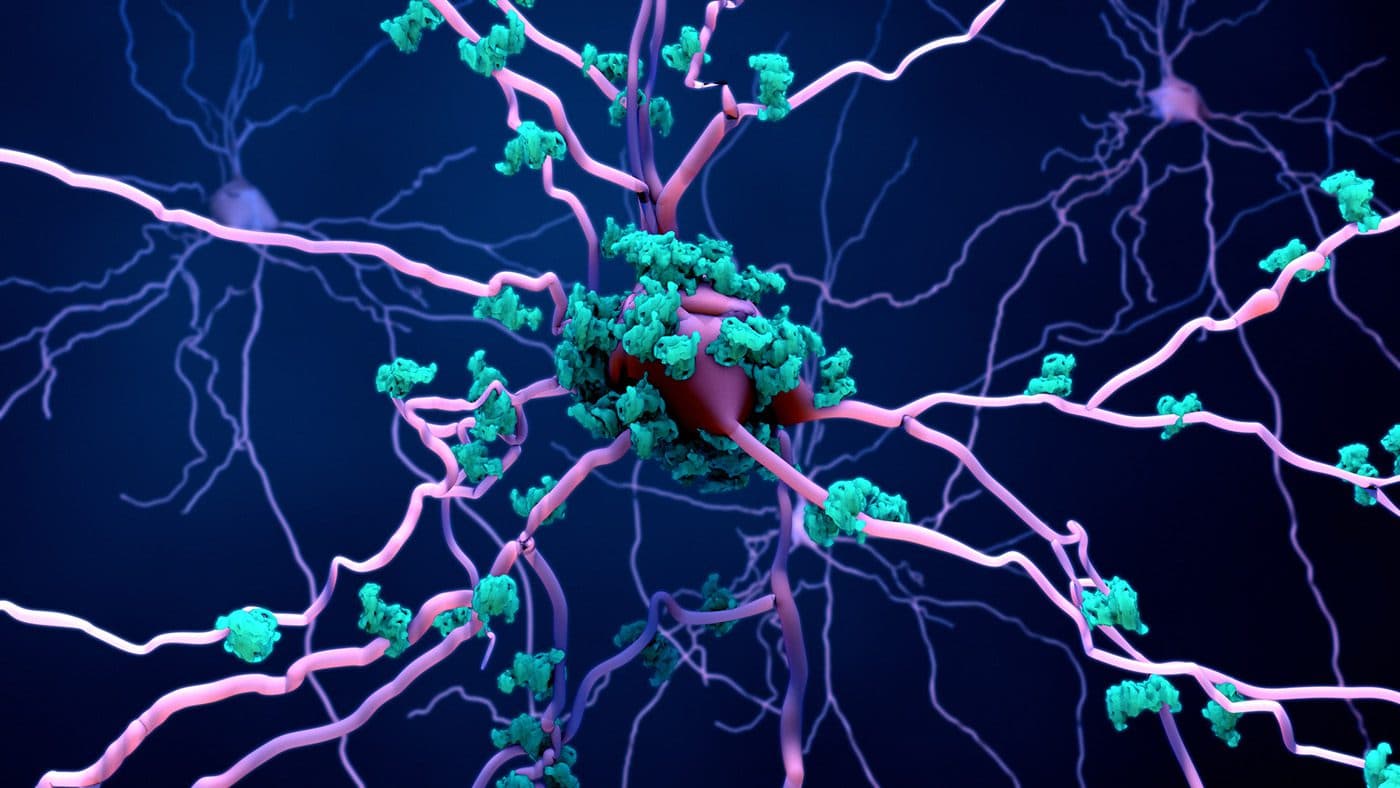
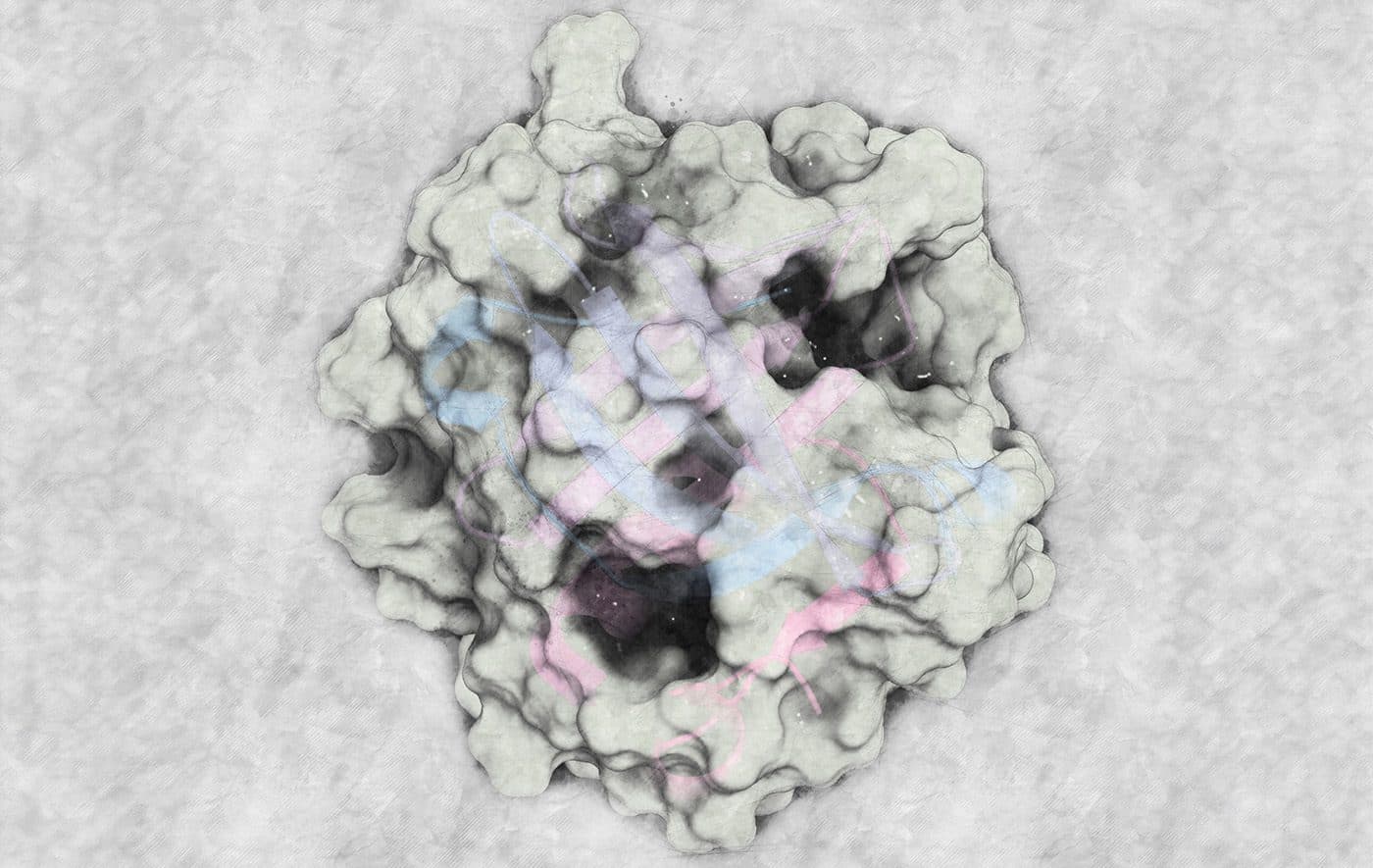
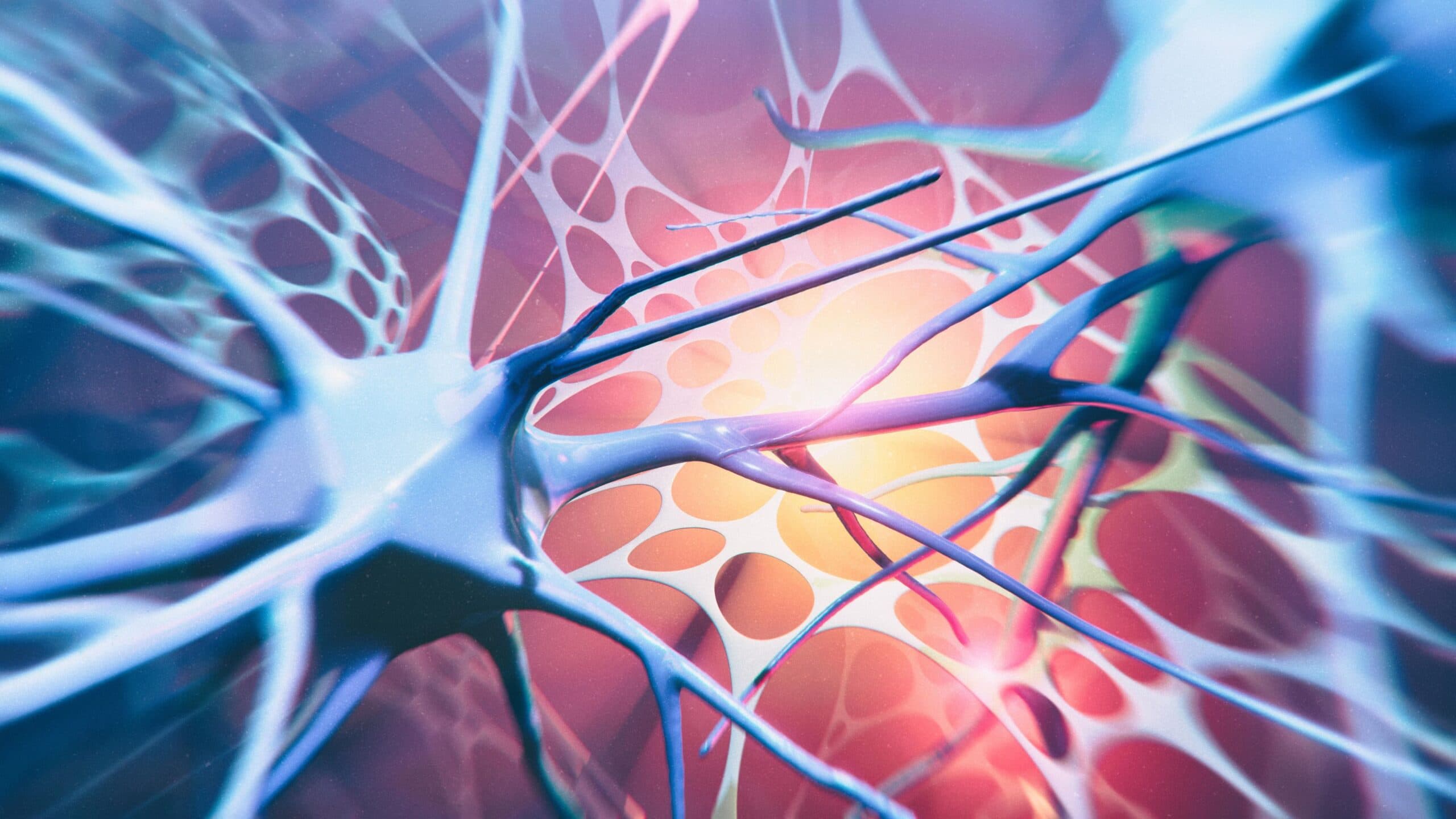
That could change thanks to the findings from this study which is the culmination of 10 years of research done by scientists in the lab of Frank Bosmanbs, PhD, at Vrije Universiteit Brussel and their collaborators at Johns Hopkins University. To pinpoint a genetic basis for hyperhidrosis, the scientists analyzed the DNA of more than 180 patients. They discovered defects in the Nav1.8 ion channel, which normally functions as a biological gate that regulates electrical signals in the nervous system.
Specifically, in patients with hyperhidrosis, the gate is left too wide open due to a genetic predisposition. As a result of this, the nerves are constantly overstimulated and in a state of activity, which results in excessive sweating often triggered by emotional or stress-related stimuli. To dig deeper into their theory, the scientists developed an experimental mouse model. Because mice only sweat from their paws, the team developed a microscopic measurement method to count sweat droplets using an iodine-starch mixture.
They found that mice that had the same genetic defect as hyperhidrosis patients also sweated excessively. Furthermore, once the scientists administered a substance that blocked the overactive nerve signals, their symptoms decreased significantly and reversibly. However the genetic picture is more complex. Bosmanbs and his team found a patient who had inherited an inhibitory nerve mutation but still sweated excessively due to a separate mutation in a local water channel within the sweat gland. It suggests that there are different biological pathways that can lead to the same overstimulation that results in hyperhidrosis.
Though the genetic picture is a complex one, the scientists believe that their findings offer the prospect of better treatments for this condition. Currently, some severe forms of hyperhidrosis are treated by severing the sympathetic nerve pathways in the chest. While effective, this treatment is both invasive and can have unwanted side effects. With a deeper understanding of the genetic basis of the condition, scientists may be able to better predict which patients are likely to get the most benefit from localized treatment of the sweat glands, systemic medication or nerve-targeted therapies. Another potential treatment avenue is drug repurposing, which is supported by the evidence from the mouse studies. However, further testing via controlled clinical trials is required.
NewsClinical study and study designsDepressive symptomsGene mutationGenetic diseasesNervous system diseasesSkin diseasesPrevious article
Parkinson’s in the Clinic, Insilico enters Phase III, Vertex Acquires CrineticsNext article
Organ Aging Linked to Breakdown in Immune Cell Interaction and Senescent Neutrophil ClearanceAlso of Interest
CloudScope Enables Continuous Remote Monitoring of Brain Activity in Freely Moving MiceCancer Treatment Genetic Effects in Healthy Cells May Reveal Clues to Side Effects and ResistanceGene Therapy Extends Lifespan and Reduces Symptoms in Sandhoff Disease Cat ModelMedicines Discovery Catapult Backs Two U.K. Biotech Companies Tackling Chronic DiseasesSingle-Cell Striatum Atlas Reveals Neurological Disorder VulnerabilitiesDarpa Awards UC San Diego Up to $11.3 Million for 'Smarter' Red Blood CellsRelated Media
From Functional Genomics to Cell Therapy: The Role of CRISPR-Based Gene EditingWhat’s in Store for 2024? Three CEOs Look Ahead and Look Back on “Close to the Edge”Running Up That Hill: Nessan Bermingham on Close to the EdgeGene Therapy for GSD Administered to First PatientAlzheimer's May Be Caused by Viral InfectionsWhat Makes Dogs So Friendly? Study Finds Genetic Link to Super Out-Going PeopleTop 5ResourcesRecommended For YouPodcast
Touching Base
Touching Base is the dynamic podcast series from the editors ofGEN. Each episode features a rotating case of senior editors—including John Sterling, Kevin Davies, Julianna LeMieux, Alex Phillippidis, Uduak Thomas, Corinna Singleman, and Fay Lin—who delve into emerging stories, exchange ideas, and debate the latest trends in biotech. Additionally, they talk to some of the leading voices in the industry about what's now and next.Start listening today!
Stay up to date with the lasted episodes of Touching Base bysubscribing to theGENPodcast Newsletter