Genetic Toolkit Isolates Neuron Types in Drosophila Brain
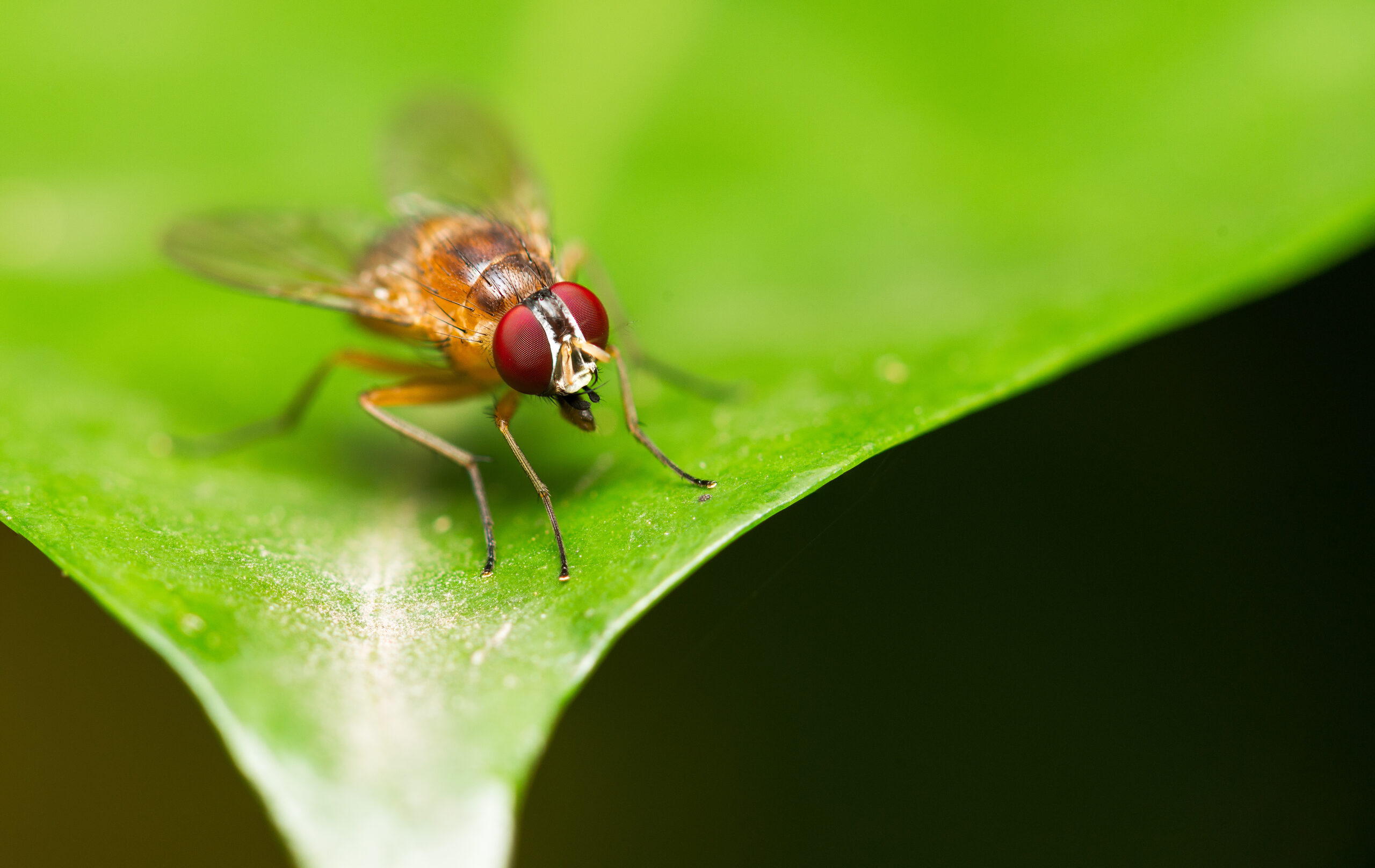
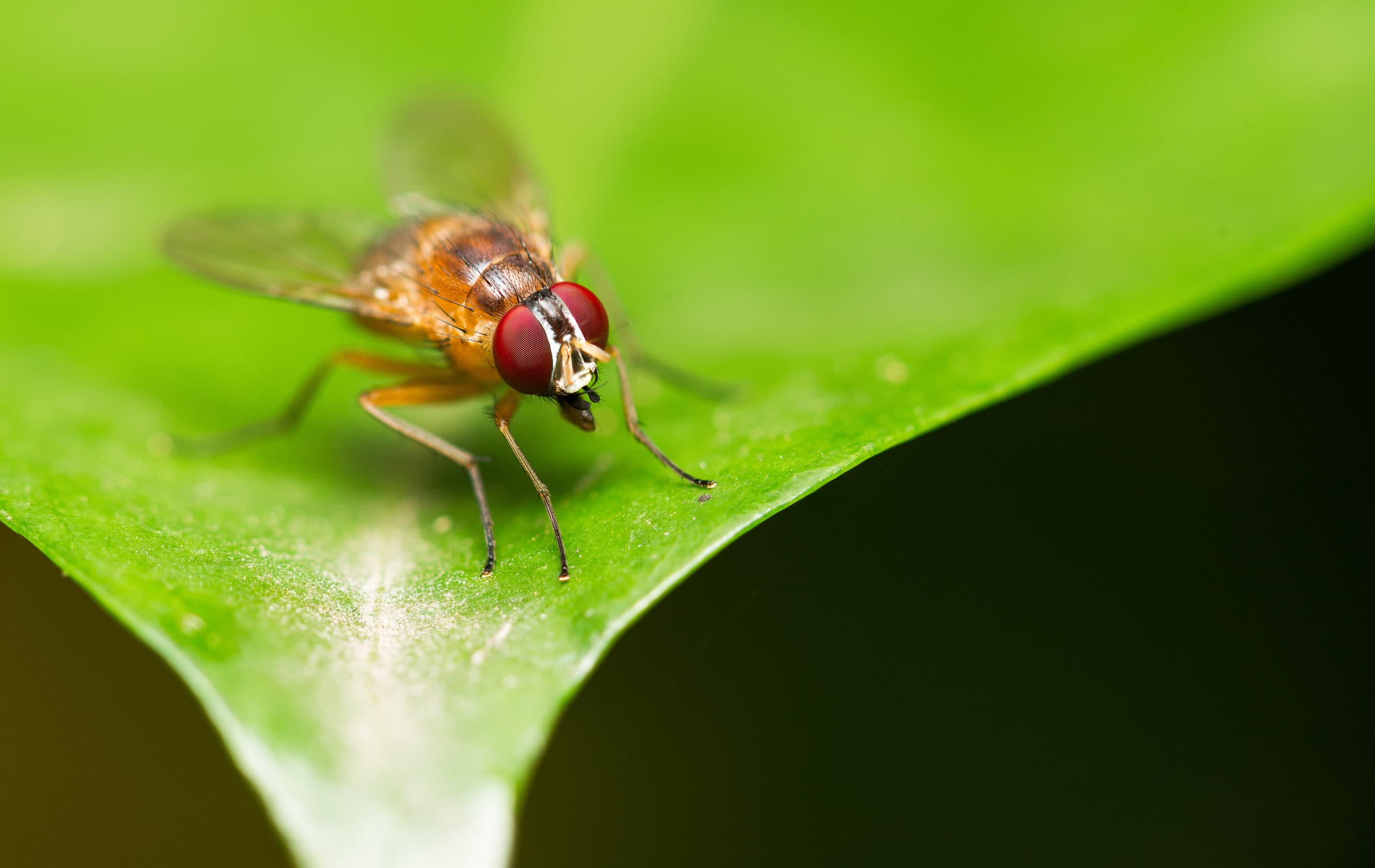
The fruit fly brain is small enough to map in exquisite detail, but that does not mean its signaling systems are simple. A single neuromodulator can influence behaviors as varied as aggression, feeding, wakefulness, memory, and visual tracking, raising a central question for neuroscientists: how does one chemical messenger produce so many different effects?
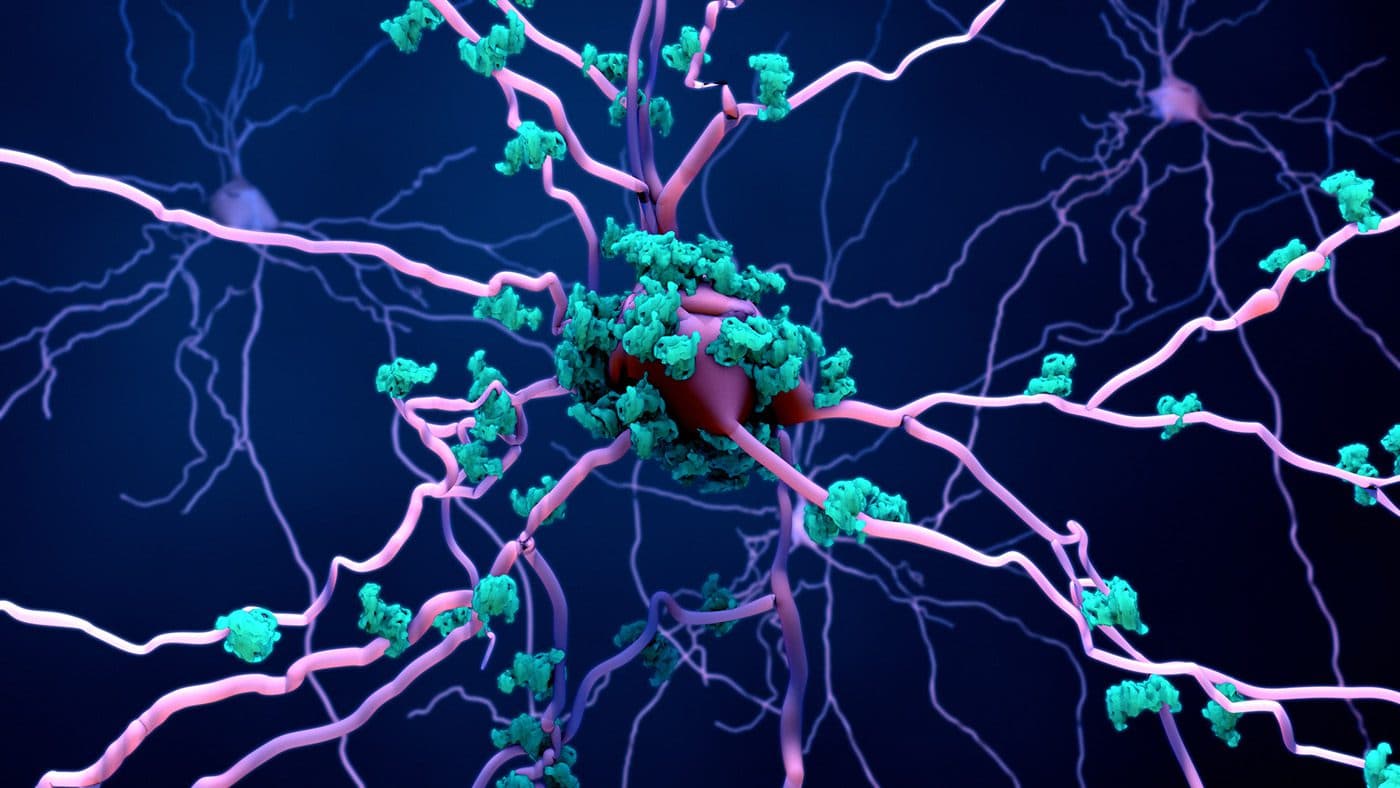
Researchers at the Salk Institute have developed a genetic toolkit designed to answer that question one neuron type at a time. In a study published inCurrent Biology, the team reports a curated set of transgenic driver strains that provide selective access to nearly all long-range octopaminergic and tyraminergic neuron types in the brain ofDrosophila melanogaster. The study is titled “Cellular and functional dissection of the octopaminergic and tyraminergic system in theDrosophilabrain.”
Octopamine (OA) is a major biogenic amine found in invertebrates and is often described as a functional analog of vertebrate noradrenaline. Together with its precursor tyramine (TA), OA helps modulate sensory processing, social behavior, and other physiological processes. But researchers have lacked sufficiently specific genetic access to defined OA/TA neuron types, limiting their ability to connect individual cell types with particular behaviors.
“Virtually, no single gene is sufficient for specifying one single cell type,” said Kenta Asahina, PhD, associate professor at Salk and senior author of the study. To increase specificity, the researchers screened several hundred genetically engineered fruit fly lines to identify overlapping expression patterns. They then used those intersections to create split-GAL4 driver combinations that could target distinct OA/TA neuron subtypes, in some cases narrowing access to a single pair of neurons.
The resulting toolkit allowed the group to map cell-type-specific innervation patterns, compare male and female neuroanatomy, and align genetically identified neuron types with electron microscopy connectome datasets. That integration of genetics, anatomy, and connectomics was central to the work: this let the researchers move beyond treating the OA/TA system as a single functional unit.
They then applied the resource to behavior. One finding addressed a long-standing paradox in octopamine biology: previous studies had linked OA signaling to both increased and decreased aggression. Using the new toolkit, the team identified a previously undescribed OA/TA cell type, ASM4, that suppresses aggression in socially isolated male and female flies. The result suggests that apparently contradictory effects of the same neuromodulator can arise from different neuron types, and possibly from differences in whether those cells signal through tyramine, octopamine, or both.
The researchers also used the toolkit to probe visually guided behaviors. Distinct optic lobe-projecting OA/TA neuron types differentially modulated optomotor stabilization and object tracking, showing that neuron types within the same neuromodulatory system can perform separate behavioral jobs. As Valentina Fajner, PhD, co-first author and staff scientist at Salk, put it, “one modulator, but distinct neurons, distinct jobs.”
The work also has broader implications beyond flies. Although the human brain is far more complex, the authors noted that many neuromodulatory principles are conserved across species. In that sense, parsing how OA/TA neurons organize behavior inDrosophilacould help inform future studies of noradrenergic signaling and how failures in neuromodulatory systems alter brain function.
Next, the Salk team plans to map input and output signals across the OA/TA system to define larger circuits involved in social behavior. For now, the toolkit offers a more precise way to ask what individual neuromodulatory neurons are doing—an advance Asahina said is necessary because “almost every brain cell is different.”
NewsBrain healthDrosophilaElectron microscopyGenetic structureImmunomodulation therapyNeuronsPrevious article
UCSF QBI Awarded $46M to Translate Landmark Autism Map Into Precision TherapiesNext article
From Images to DataAlso of Interest
Neural Mechanism Identified That Drives Increased Alcohol Use in Isolated Male MiceMale Sex Hormones Suppress Lung Allergies by Acting on Neurons in MiceFive-Year Brain Organoids Reveal New Insights Into Human DevelopmentLong-Term Memory Loss Secrets Revealed with Artificial HibernationCortical Organoids Reveal Radial Glial Progenitor Lineage DynamicsSpatial Transcriptomics Uncovers Heterogeneity in Heart Transplant RejectionRelated Media
Shoot the Neurons Off a Fly's BrainGENcast: Explore, Learn, and Collaborate on Bioproduction Training in Asia-PacificGene Therapy for GSD Administered to First PatientNew Synthetic Nerve Could Transform ProstheticsMore Than One: The Transition to MulticellularityPainting a Butterfly’s WingsTop 5ResourcesRecommended For YouPodcast
Touching Base
Touching Base is the dynamic podcast series from the editors ofGEN. Each episode features a rotating case of senior editors—including John Sterling, Kevin Davies, Julianna LeMieux, Alex Phillippidis, Uduak Thomas, Corinna Singleman, and Fay Lin—who delve into emerging stories, exchange ideas, and debate the latest trends in biotech. Additionally, they talk to some of the leading voices in the industry about what's now and next.Start listening today!
Stay up to date with the lasted episodes of Touching Base bysubscribing to theGENPodcast Newsletter