Sign in
Welcome! Log into your account
Forgot your password? Get helpPrivacy PolicyPassword recovery
Recover your password
A password will be e-mailed to you.
GEN – Genetic Engineering and Biotechnology NewsHomeTopicsBioprocessingHybrid Single-Use and Stainless-Steel Plants the Greener Option
Credit: Extreme Media/ Getty Images
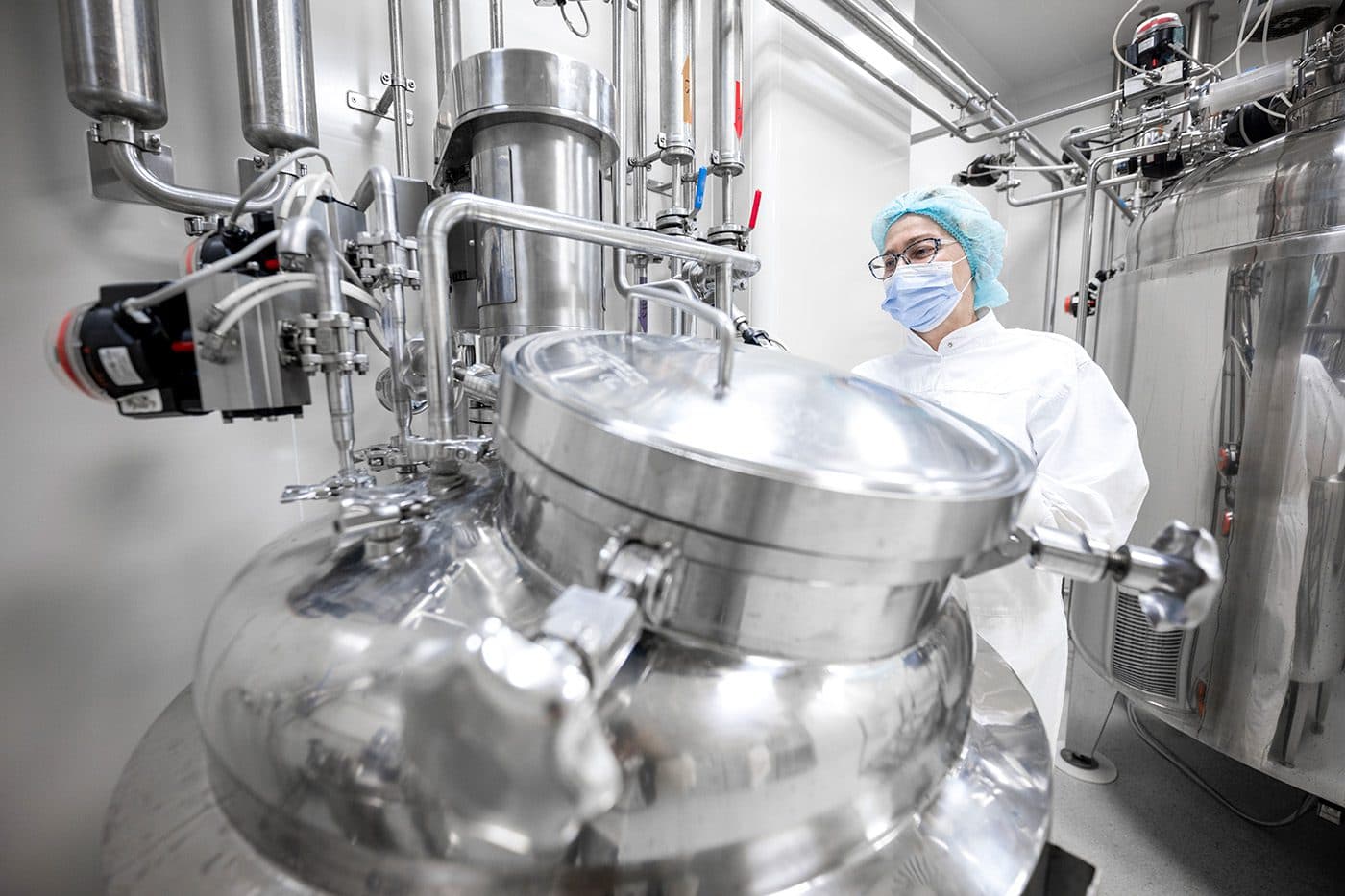
Hybrid biopharmaceutical manufacturing facilities that combine stainless steel (SSTs) and single-use (SUTs) technologies are the “sweet spot” from an environmental sustainability perspective, according to new research. Theresearchcompared the environmental impact—specifically, the carbon footprint— of hybrid facilities with those where SUTs are used, arguing that ongoing efforts to decarbonize energy generation may have shifted the metrics.
And the key findings are that the CO2footprint of SUTs is significantly higher than previously assumed and that key SST process steps can now have a lower carbon footprint than their single-use counterparts.
Lead author Jan Reiners, rer. nat. , from Roche, tellsGEN, “For a long time, SUT was considered more sustainable because it avoids the energy needed to clean and steam-sterilize stainless steel. However, this paradigm has now inverted due to the rapid decarbonization worldwide due to the expansion of renewable energy.
“A single-use run at the 2,000L scale generates up to 6.5 tons of CO2e per batch only in plastic and packaging waste. We didn’t do this assessment for a full stainless-steel system, but the hybrid facility used less than half of plastics,” he adds.
Reiners and colleagues used “market-based emissions accounting” data for the analysis, noting it is becoming common for drug companies to decouple emissions from local energy supplies through tools like power purchase agreements and on-site photovoltaic (PV) installations.
“For instance, our own organization, Roche, has recently achieved its global goal of sourcing 100% sustainable electricity across all worldwide operations. And we are not alone: AstraZeneca is reducing energy emissions by 98% by 2026 and transitioning to 100% renewable energy for heat and power. Novartis claims to have become carbon neutral for energy in 2025, as do many other companies,” he says.
The researchers also found that some long-standing assumptions about SUT systems— for example, that they have lower HVAC costs—no longer hold.
“In modern biomanufacturing, cleanroom ISO classifications remain identical for both SUT and SST due to functionally closed processing, while the massive logistics and warehousing required to store SUT consumables actually expand physical space requirements,” continues Reiners. “And finally, the mass of fossil-fuel-based plastics was underestimated and its CO2impact actually increased by ~30% in updated global life cycle databases like Ecoinvent v3.12.”
Hybrid alternatives
Considering the findings, Reiners and co-authors suggest that, to minimize emissions and costs, biopharmaceutical manufacturers need to combine stainless-steel systems with SUTs.
“Although SUT is less sustainable, it has other advantages like faster product changeover, more flexibility, less investment, but higher running costs. A hybrid facility is the ‘sweet spot’ of combining SUT and stainless steel to reduce the CO2impact,” he maintains. “Depending on the facility layout, various measures can reduce the footprint, but per se it is about retaining stainless steel for simple, high-volume, resource-heavy operations—like buffer and media preparation—while keeping single-use for the complex, flexible core process like bioreactors.
“In our study, comparing a full-SUT facility to a hybrid facility reduced the material-related carbon footprint by 62%, dropping emissions from 6.5 tons of CO2e to just 2.8 tons of CO2e per batch.”
InsightsBiopharmaceuticalsBiotechnology equipmentsEnvironmental biotechnologyHybridizationHybrid biopharmaceuticalAlso of Interest
Top 10 Contract Development and Manufacturing Organizations 2026ADCs, mAbs, CAR Ts: One Bioluminescent Platform Measures Them AllNavigating the Regulatory Labyrinth: How Biotech Leaders Are Rethinking Strategy in an Uncertain Regulatory EraNew Spectrometry Technique Could Aid Formulation DevelopmentRegulatory Demands for More Process Control Data Fueling InnovationSingle-Use Comes of Age—What's Next?Related Media
Reporting Live from JPM 2026: Alex Philippidis and Jonathan Grinstein, PhDAI in Protein Design: Hype vs. Reality Explained by David BakerEmerging Markets Collaborate to Succeed in Post-Pandemic WorldImproving Protein Therapeutic Production is a Key Goal of Biopharma 4.0Biomanufacturing’s 10-Year Plan for the FutureVirtual Becomes Reality for Biopharma Vaccine DevelopmentTop 5ResourcesRecommended For YouPodcast
Touching Base
Touching Base is the dynamic podcast series from the editors ofGEN. Each episode features a rotating case of senior editors—including John Sterling, Kevin Davies, Julianna LeMieux, Alex Phillippidis, Uduak Thomas, Corinna Singleman, and Fay Lin—who delve into emerging stories, exchange ideas, and debate the latest trends in biotech. Additionally, they talk to some of the leading voices in the industry about what's now and next.Start listening today!
Stay up to date with the lasted episodes of Touching Base bysubscribing to theGENPodcast Newsletter
Copyright © 2026 Sage Publications or its affiliates, licensors, or contributors. All rights reserved, including those for text and data mining and training of large language models, artificial intelligence technologies, or similar technologies.
MORE STORIES