Sign in
Welcome! Log into your account
Forgot your password? Get helpPrivacy PolicyPassword recovery
Recover your password
A password will be e-mailed to you.
GEN – Genetic Engineering and Biotechnology NewsHomeTopicsCancerInduPro Licenses Lonza’s Linker Payload Technologies and Bioconjugation Platforms
Credit: FatCamera/Getty Images
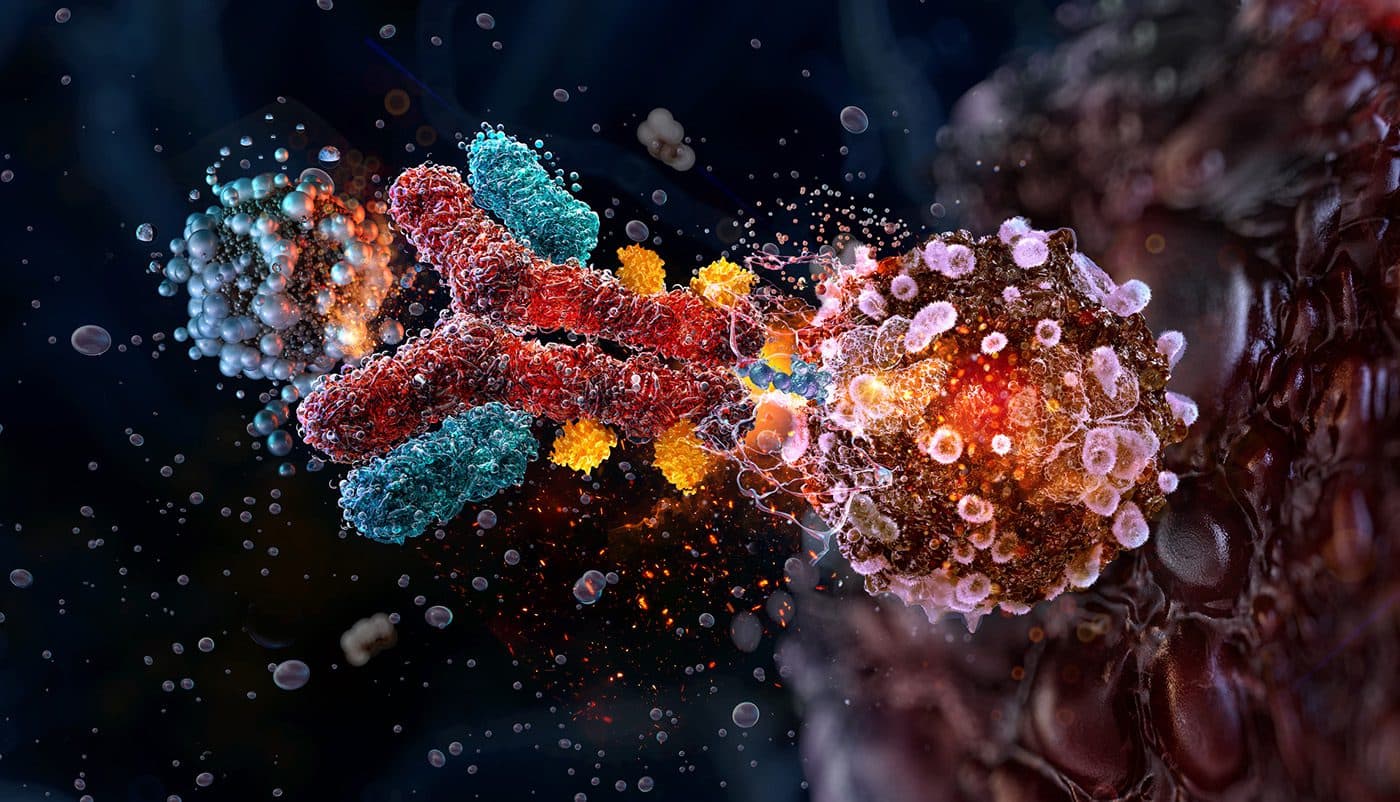
Lonza and InduPro signed a licensing agreement to support the advancement of innovative antibody–drug conjugate (ADC) therapies. According to Lonza officials, the company, through one of its affiliated companies, will grant InduPro a non-exclusive, worldwide license to its proprietary GlycoConnect®, HydraSpace®and linker-payload technologies. The technologies, which will be applied to the development of ADCs targeting up to two oncology antigens, are intended to support the advancement of highly targeted cancer therapies.
InduPro will combine its proprietary bispecific antibody capabilities with Lonza’s ADC platform. By leveraging these complementary technologies, the companies aim to develop differentiated therapeutic approaches designed to address complex diseases such as cancer, where precision targeting and efficacy remain critically important, notes Jan Vertommen, vice president of commercial development, advanced synthesis, Lonza.
“By combining our expertise in bioconjugation technologies and manufacturing with InduPro’s innovative proximity guided antibody platform, we reinforce our commitment to enabling our licensing partners and supporting the advancement of next-generation ADC programs,” says Vertommen.
“This agreement represents an important step in advancing our pipeline of proximity-driven bispecific ADCs,” adds Prakash Raman, CEO, InduPro. “By combining InduPro’s ability to identify novel, disease-specific co-target pairs with Lonza’s industry-leading ADC technologies, we aim to develop differentiated, first-in-class therapeutics that improve selectivity, expand therapeutic windows, and ultimately deliver better outcomes for patients with hard-to-treat tumors.”
NewsAntibodies (Immune signalling)AntigensCancer therapyCancersInduProLonzaGlycoConnectHydraSpaceAlso of Interest
PD-L2 Blockade May Reduce Harmful Aging Cell BuildupWhat 25 Years of Research Have Revealed About 9/11’s Long-Term Health EffectsChronic Interferon Exposure Linked to Immunosuppression in CancerCAR T Manufacturing in Japan Gets Boost from Teijin-Shinshu University Research CollaborationAnticancer Candidate Strengthens Bones and Prevents Weight Gain in Postmenopausal MiceWith $116M in Series A Financing, BrainChild Bio Targets CNS Tumors, Starting with One in Children’s BrainstemsRelated Media
AACR 2026: A Video Update from San DiegoAACR 2025: A Video Update from ChicagoAACR 2024: A Video Update from San DiegoFront Row Series 2: AI in Drug Discovery and DevelopmentHelen Sabzevari, PhD, of Precigen Connects Cancer and the Immune System on "Close to the Edge"Going BIG: Daphne Zohar on "Close to the Edge"Top 5ResourcesRecommended For YouPodcast
Touching Base
Touching Base is the dynamic podcast series from the editors ofGEN. Each episode features a rotating case of senior editors—including John Sterling, Kevin Davies, Julianna LeMieux, Alex Phillippidis, Uduak Thomas, Corinna Singleman, and Fay Lin—who delve into emerging stories, exchange ideas, and debate the latest trends in biotech. Additionally, they talk to some of the leading voices in the industry about what's now and next.Start listening today!
Stay up to date with the lasted episodes of Touching Base bysubscribing to theGENPodcast Newsletter
Copyright © 2026 Sage Publications or its affiliates, licensors, or contributors. All rights reserved, including those for text and data mining and training of large language models, artificial intelligence technologies, or similar technologies.
MORE STORIES