Insulin Production Restored in Cells from Type 1 Diabetes Patient
Researchers have successfully coerced pancreatic cells of a type 1 diabetic donor to produce insulin. Their strategy could lead to new therapies for patients with this disease.
The research team, led by Keith Al-Hasani, PhD, Ishant Khurana, PhD, and Assam El-Osta, PhD, from Monash University in Melbourne, Australia, published their findings in the article “Inhibition of pancreatic EZH2 restores progenitor insulin in T1D donor” inSignal Transduction and Targeted Therapy.
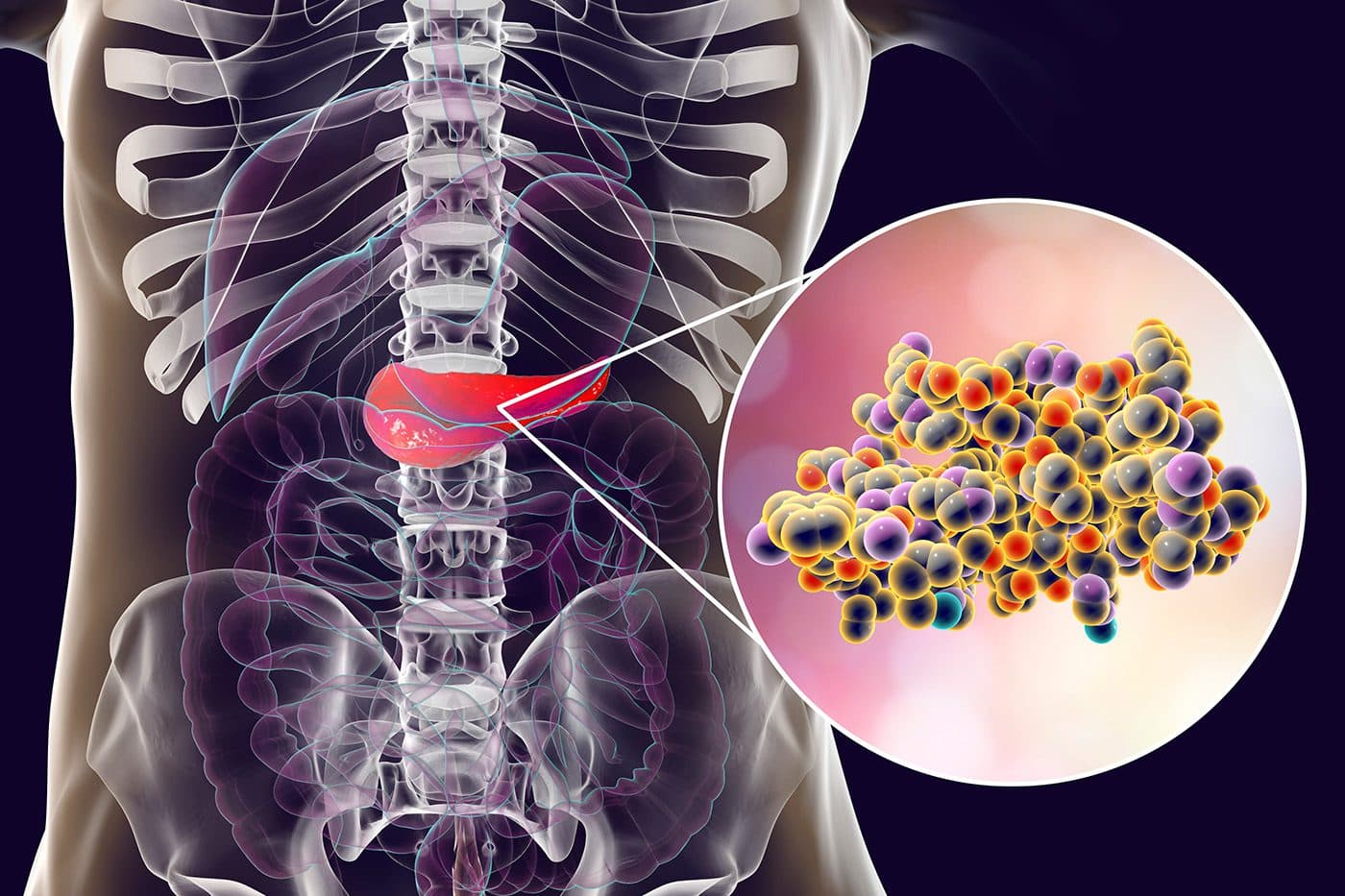
During Type 1diabetes(T1D), the insulin-producing cells of the pancreas, called β cells, are destroyed. Patients with T1D, therefore, depend on insulin shots or an insulin pump for survival.
Because of a shortage of organ donors and problems associated with immunosuppressive drugs, transplantation strategies have limited clinical utility. Therefore, Al-Hasani, Khurana, El-Osta, and their team looked at the possibility of regenerating β cells.
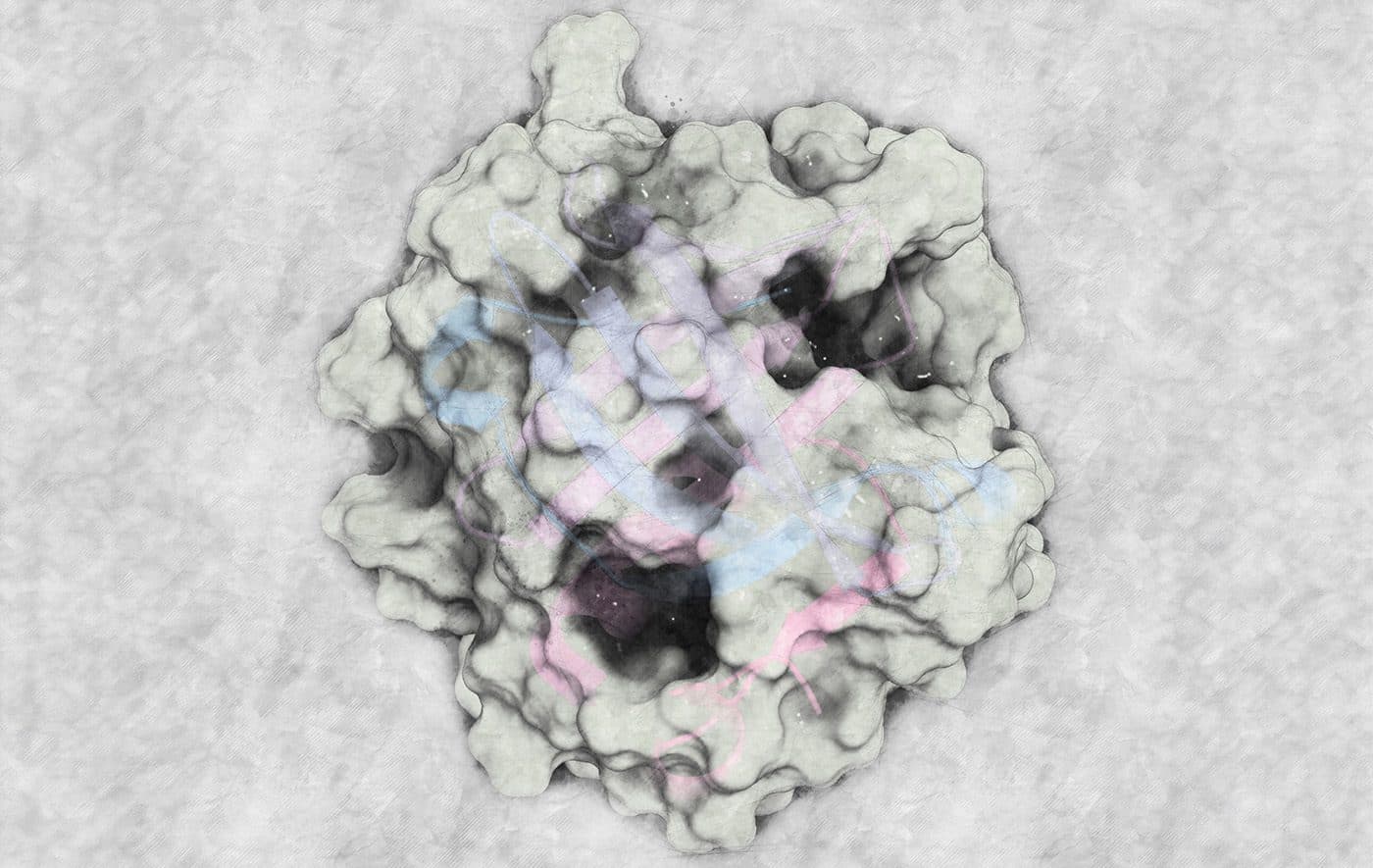
“Pancreatic duct cells have been suggested as a source of progenitors for β cell regeneration,” the team wrote in their article. “The objective of this study was to investigate the specific regulation of H3K27me3 writing enzyme EZH2 that is considered responsible for default suppression (transcriptional gene silencing) critical to the ductal progenitor’s developmental program by enabling them to differentiate into functioning insulin-secreting β-cells.”
They examined the effect of GSK126, a highly selective inhibitor of EZH2, in pancreatic tissues from donors. And then they measured the expression of the insulin gene, as well as the expression of genes associated with progenitor identity. All of the genes were expressed in both the non-diabetic and diabetic donors.
“These results support the notion that EZH2 inhibition restores exocrine multipotency even in chronic disease with total β-cell destruction,” the researchers wrote. In other words, treating the ductal cells with the drug GSK126 caused them to functionally resemble β cells and to produce insulin.
In principle, this new approach would allow insulin-producing β cells that are destroyed in T1D patients to be replaced with new insulin-generating cells. “We consider the research novel and an important step forward towards developing new therapies,” El-Osta said.
However, more work needs to be done.
“The case is an isolated one, of a T1D child with hallmark islet damage and significant destruction of β-cells. Thus, it is unknown if the results will generalize,” the researchers wrote.
“More work is required to define the properties of these cells and establish protocols to isolate and expand them,” Al-Hasani said.
“I would think therapy is pretty far away,” he added. “However, this represents an important step along the way to devising a lasting treatment that might be applicable for all types of diabetes.”
GSK126isapprovedfor useby the FDA butisnot currently licensed for diabetes treatment.
NewsDiabetesEnteroendocrine cellHormonesPancreasTranscription factorPrevious article
Replay Launches with $55 Million Seed to Transform Genomic Medicine with Interlinking Technology PlatformsNext article
Monkeypox Symptoms Described in Large International StudyAlso of Interest
Revvity Signs Agreement to Acquire Human Cell Design10 CDMO Up & Comers 2026Monoclonal Antibodies Targeting MMP-9 Alleviate Peripheral Neuropathy in Diabetic MiceGLP-1 Drug Semaglutide Slows Aging and Extends Lifespan in MiceBicistronic Vectors + piggyBac = Improved Antibody Cell Line ProductionAndelyn to Support Manufacturing Scaleup for Genprex’s Diabetes Gene TherapyRelated Media
Reporting Live from JPM 2026: Alex Philippidis and Jonathan Grinstein, PhDYoung Scientist Creates Bandage Sensor for Wound HealingSmart Contacts Can Monitor the Glucose in TearsA New Mathematical Model of the Origin of LifeTop 5ResourcesRecommended For YouPodcast
Touching Base
Touching Base is the dynamic podcast series from the editors ofGEN. Each episode features a rotating case of senior editors—including John Sterling, Kevin Davies, Julianna LeMieux, Alex Phillippidis, Uduak Thomas, Corinna Singleman, and Fay Lin—who delve into emerging stories, exchange ideas, and debate the latest trends in biotech. Additionally, they talk to some of the leading voices in the industry about what's now and next.Start listening today!
Stay up to date with the lasted episodes of Touching Base bysubscribing to theGENPodcast Newsletter