Midlife Brain Aging Linked to Immune Cell Remodeling, Blood-Brain Barrier Decline
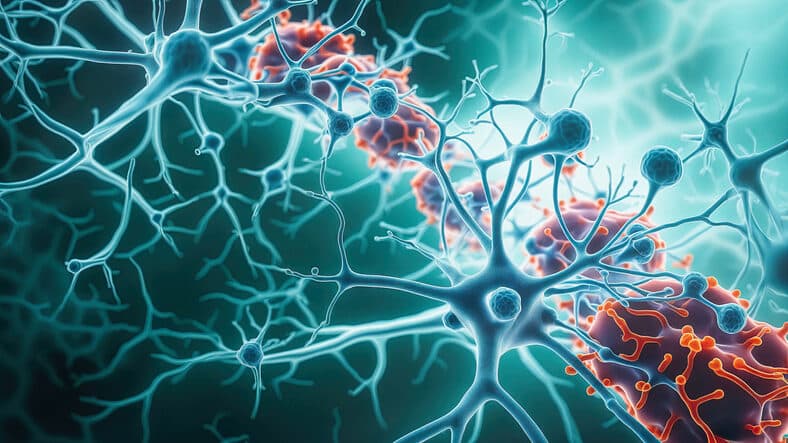
New data from a National Institutes of Health-funded study shows that midlife, the immune cell landscape of the hippocampus, undergoes substantial remodeling. It points to a potential mechanism by which aging may contribute to the chronic neuroinflammation commonly seen in neurodegenerative disease. Details are published in a newSciencepaper titled “Epigenetic and 3D genome reprogramming during the aging of human hippocampus.”
The work was done by a collaborative team of scientists from the University of California, San Diego, the New York Genome Center, and the University of California, Irvine. According to the paper, the scientists analyzed postmortem hippocampal tissue from 40 neurologically healthy adults aged 20 to 95 years old.
Digging into the details, the scientists used traditional measures of gene expression alongside more advanced techniques to analyze the genome’s 3D architecture and epigenome. “Gene expression tells us what a cell is doing today, but epigenetic signatures preserve information about where a cell came from,” said Nathan Zemke, PhD, director of single-cell genomics at the UC San Diego Center for Epigenomics and first author on the study. “By combining these approaches, we uncovered a major shift in the identity and lineage of immune cells in the aging human brain’s immune cells that gene expression data alone would not have revealed.”
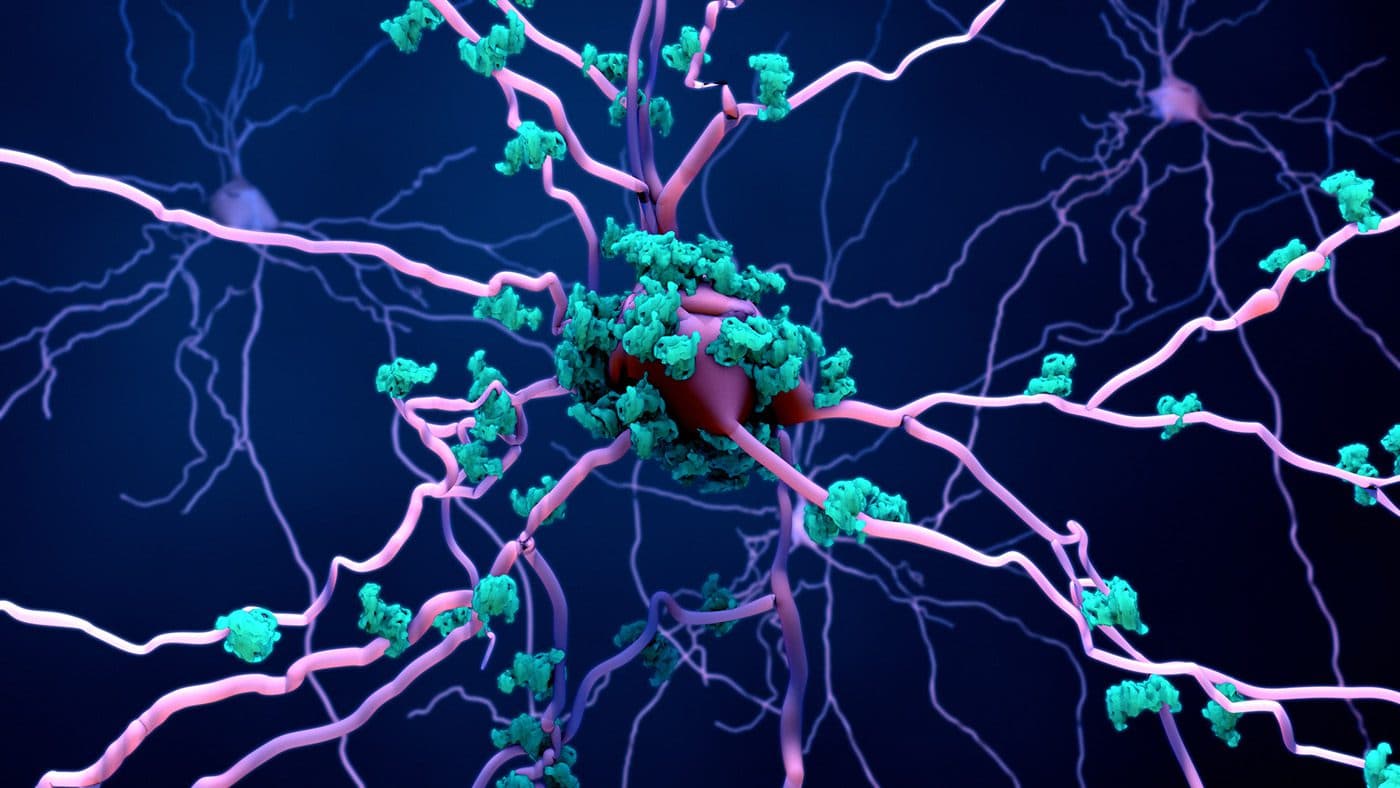
They found that the brain’s primary immune cells progressively decline from age 50 to 75 years of age, and are replaced by cells with elevated inflammatory signatures and other features that resemble the characteristics of peripheral blood-derived immune cells. It raises questions as to whether microglia, which emerge during embryonic development, may not renew throughout the human lifespan as previously thought. The data also showed that cells that typically maintain the protective blood-brain barrier deteriorated with age. And across many brain cell types, aging accompanied a widespread and coordinated disruption of genome architecture.
“The progressive structural disruptions were closely linked to shifts in gene regulation and cell identity, potentially revealing a fundamental feature of aging in the human brain,” said Bing Ren, PhD, scientific director and CEO of the New York Genome Center, and professor of genetics and development at Columbia University. Ren is also a corresponding author on the study,
Future studies will investigate the mechanisms driving the loss of resident microglia and determine whether the newly identified immune-cell transition contributes directly to Alzheimer’s disease and other age-related neurological disorders. Insights from the current study as well as others could provide new opportunities to develop therapies that help to preserve brain function and reduce vulnerability to neurodegenerative disease.
NewsAging (Developmental biology)Alzheimer diseaseBlood brain barrierGene expressionImmune cellsPrevious article
Samsung Proposes Offer to Acquire Swiss CDMO Specializing in PeptidesNext article
Turning Solar Power Into ProteinAlso of Interest
Chronic Interferon Exposure Linked to Immunosuppression in CancerIncreasing CHO Cell ProductivityImmune Cells Driving Alzheimer’s-Like Neurodegeneration Traced to Lymph NodesBicistronic Vectors + piggyBac = Improved Antibody Cell Line ProductionAdvanced Imaging Technique Reveals Immune Cell Metabolic States in Blood SamplesKey Immune Cells Identified That Could Strengthen Flu VaccinesRelated Media
AI in Protein Design: Hype vs. Reality Explained by David BakerGENcast: The Quiet Voice of Immunotherapy That's Starting to Be HeardAlzheimer's May Be Caused by Viral InfectionsMini-Antibodies Discovered Could Lead to Drugs for Cancer and Other DiseasesTop 5ResourcesRecommended For YouPodcast
Touching Base
Touching Base is the dynamic podcast series from the editors ofGEN. Each episode features a rotating case of senior editors—including John Sterling, Kevin Davies, Julianna LeMieux, Alex Phillippidis, Uduak Thomas, Corinna Singleman, and Fay Lin—who delve into emerging stories, exchange ideas, and debate the latest trends in biotech. Additionally, they talk to some of the leading voices in the industry about what's now and next.Start listening today!
Stay up to date with the lasted episodes of Touching Base bysubscribing to theGENPodcast Newsletter