Mitochondrial–Epigenetic Pathway Linked to Age-Related Inflammation
Scientists have identified a mechanism that helps aging cells drive the chronic inflammation that is linked to many age-related diseases. The findings help explain how dysfunctional mitochondria work with the cell’s epigenetic machinery to turn on inflammatory genes. Full details are available in aNaturepaper titled “Mitochondrial metabolism and epigenetic crosstalk drive SASP” that is available now.
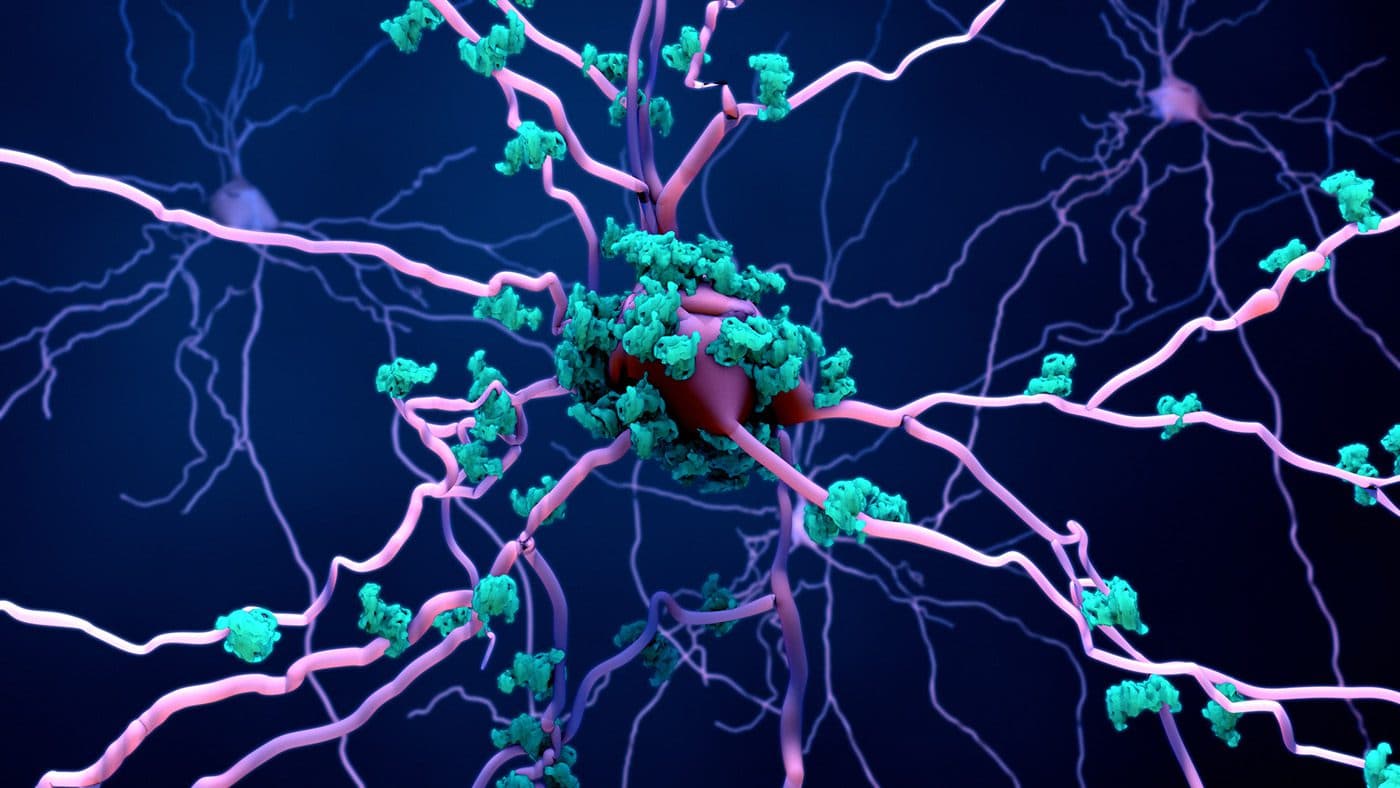
Existing research shows that senescent cells accumulate with age and remain metabolically active even though they no longer divide. As they accumulate, they release a cocktail of inflammatory molecules known as the senescence-associated secretory phenotype, or SASP. This inflammation is thought to contribute to frailty, cardiovascular disease, cancer, neurodegeneration, and other disorders of aging.
In the current study, the scientists focused on switching off this inflammation rather than on getting rid of senescent cells as some other approaches have tried.
The study was done by teams at Mayo Clinic and Sanford Burnham Prebys Medical Discovery Institute and their collaborators elsewhere. It builds on previous work done by João Passos, PhD, a Mayo Clinic researcher and senior author of the study. Passos’ lab previously demonstrated that damaged mitochondria leak mitochondrial DNA and RNA into the cell and this activates immune pathways that trigger inflammation. The currentNaturestudy identifies a second, independent pathway that is equally essential.
“We found that inflammatory signaling alone isn’t enough,” according to Helene Martini, PharmD, PhD, a Mayo Clinic researcher and first author of the study. “The cells also need a metabolic signal from mitochondria that changes how inflammatory genes are turned on.”
Specifically, the scientists discovered that senescent cells increase production of acetyl-CoA. This molecule can be generated from a range of sources in the body, but the data indicate “that in senescent cells, mitochondria constitute a dominant source of acetyl-CoA for chromatin modification.” Once released, acetyl-CoA enables epigenetic modifications that make inflammatory genes more accessible, allowing them to be expressed. Essentially, “we found that dysfunctional mitochondria can promote inflammation by controlling epigenetic switches that turn inflammatory genes on,” Martini said.
In addition, the team identified a promising therapeutic target. They found that blocking a mitochondrial citrate transporter known as SLC25A1 reduced the supply of acetyl-CoA, which “reduces histone acetylation at SASP loci.” In other words, it limited inflammatory gene activation even though the initial immune signals remained present. “These findings position SLC25A1 inhibition as a novel therapeutic target that modulates the inflammatory output of senescent cells through metabolic–epigenetic coupling,” the scientists wrote. “More broadly, they suggest that targeting metabolic inputs into chromatin regulation may represent a tractable strategy to mitigate age-associated inflammation and functional decline.”
NewsAge-related diseasesCancersCardiovascular diseasesEpigeneticsGenesImmune cellsInflammationMitochondrial diseasesNeurological symptomsPhenotypeSLC25A1Previous article
Latigo Reports Positive Phase IIb Data for Non-Opioid Acute Pain CandidateNext article
A Computational Framework for Designing Disordered Proteins at Large ScaleAlso of Interest
PD-L2 Blockade May Reduce Harmful Aging Cell BuildupWhat 25 Years of Research Have Revealed About 9/11’s Long-Term Health EffectsChronic Interferon Exposure Linked to Immunosuppression in CancerCAR T Manufacturing in Japan Gets Boost from Teijin-Shinshu University Research CollaborationWith $116M in Series A Financing, BrainChild Bio Targets CNS Tumors, Starting with One in Children’s BrainstemsMedicines Discovery Catapult Backs Two U.K. Biotech Companies Tackling Chronic DiseasesRelated Media
AACR 2026: A Video Update from San DiegoAI in Protein Design: Hype vs. Reality Explained by David BakerAACR 2025: A Video Update from ChicagoAACR 2024: A Video Update from San DiegoGEN Protocols Expert Exchanges: Critical ALS Biomarkers of Neuroinflammation & Oxidative StressFront Row Series 2: AI in Drug Discovery and DevelopmentTop 5ResourcesRecommended For YouPodcast
Touching Base
Touching Base is the dynamic podcast series from the editors ofGEN. Each episode features a rotating case of senior editors—including John Sterling, Kevin Davies, Julianna LeMieux, Alex Phillippidis, Uduak Thomas, Corinna Singleman, and Fay Lin—who delve into emerging stories, exchange ideas, and debate the latest trends in biotech. Additionally, they talk to some of the leading voices in the industry about what's now and next.Start listening today!
Stay up to date with the lasted episodes of Touching Base bysubscribing to theGENPodcast Newsletter