Modular Antibody–ADC Click Chemistry Overcomes Tumor Drug Resistance in Mice
Cancer drugs that can find and kill tumor cells with molecular precision have reshaped oncology—but their power fades when tumors evolve, diversify, or simply stop presenting the right molecular targets. Now, researchers at Washington University (WashU) School of Medicine in St. Louis have unveiled a modular “click‑to‑assemble” strategy that supercharges these therapies inside the body, allowing them to hit multiple tumor targets at once and reverse drug resistance in mice.
The study, published inNature, is titled “Modularin vivoantibody–ADC click to reverse drug resistance in tumors,” andintroduces a bioorthogonal ligation strategy that forms a dual‑targeting antibody–drug conjugate (ADC) with improved tumor uptake and therapeutic efficacy. In pancreatic, gastric, and breast cancer models, the approach slowed or halted tumor progression—even in tumors withlow, ultralow, or heterogeneous HER2 expression, where conventional HER2‑directed ADCs typically fail.
“We’ve shown that when two cancer‑targeting antibodies bind together inside the body, they accumulate at the tumor more effectively and improve treatment response,” said senior authorPatrícia M. Ribeiro Pereira, PhD, assistant professor of radiology at WashU Medicine’s Mallinckrodt Institute of Radiology. “There is a lot of excitement here because we have shown that it isn’t necessary to create a whole new drug platform for each therapeutic target. We can repurpose antibodies that already exist to improve treatments.”
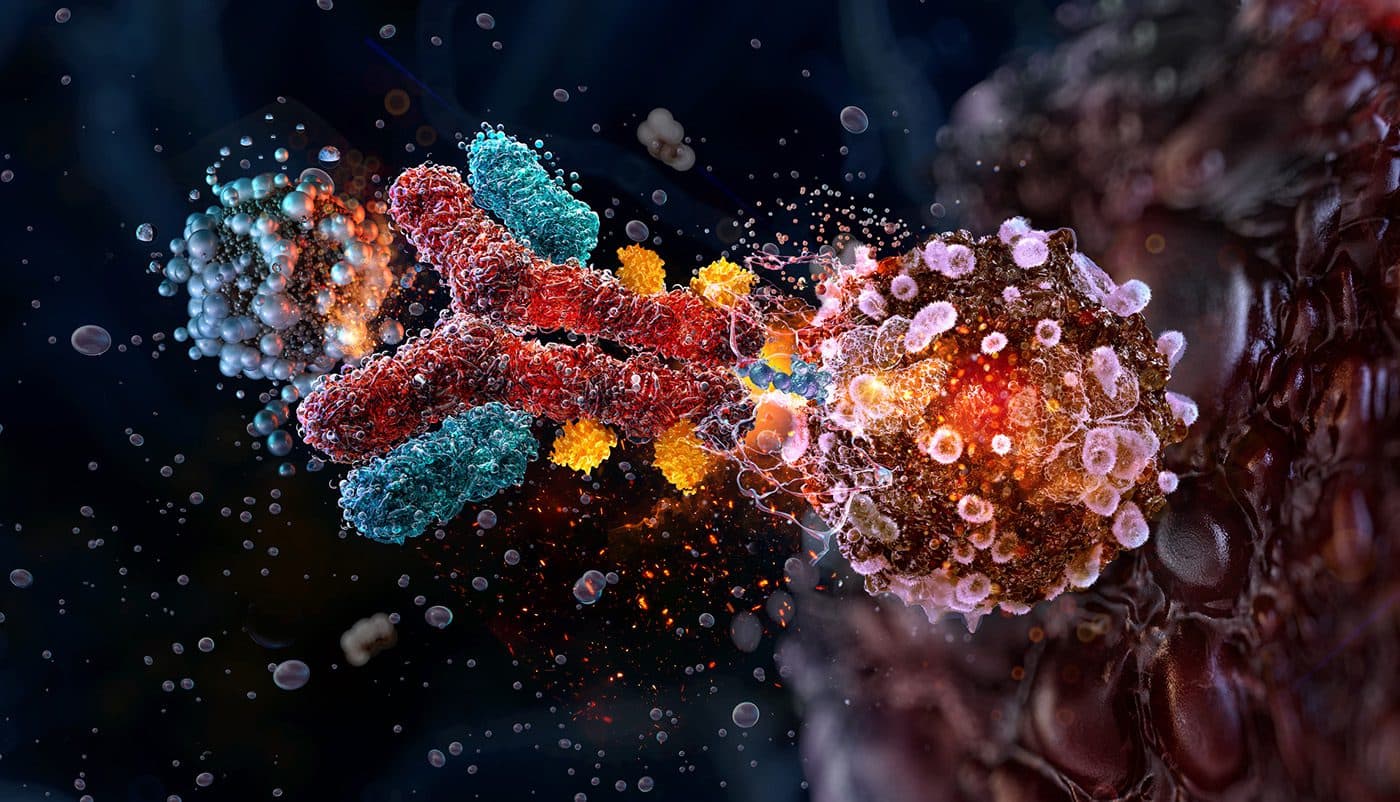
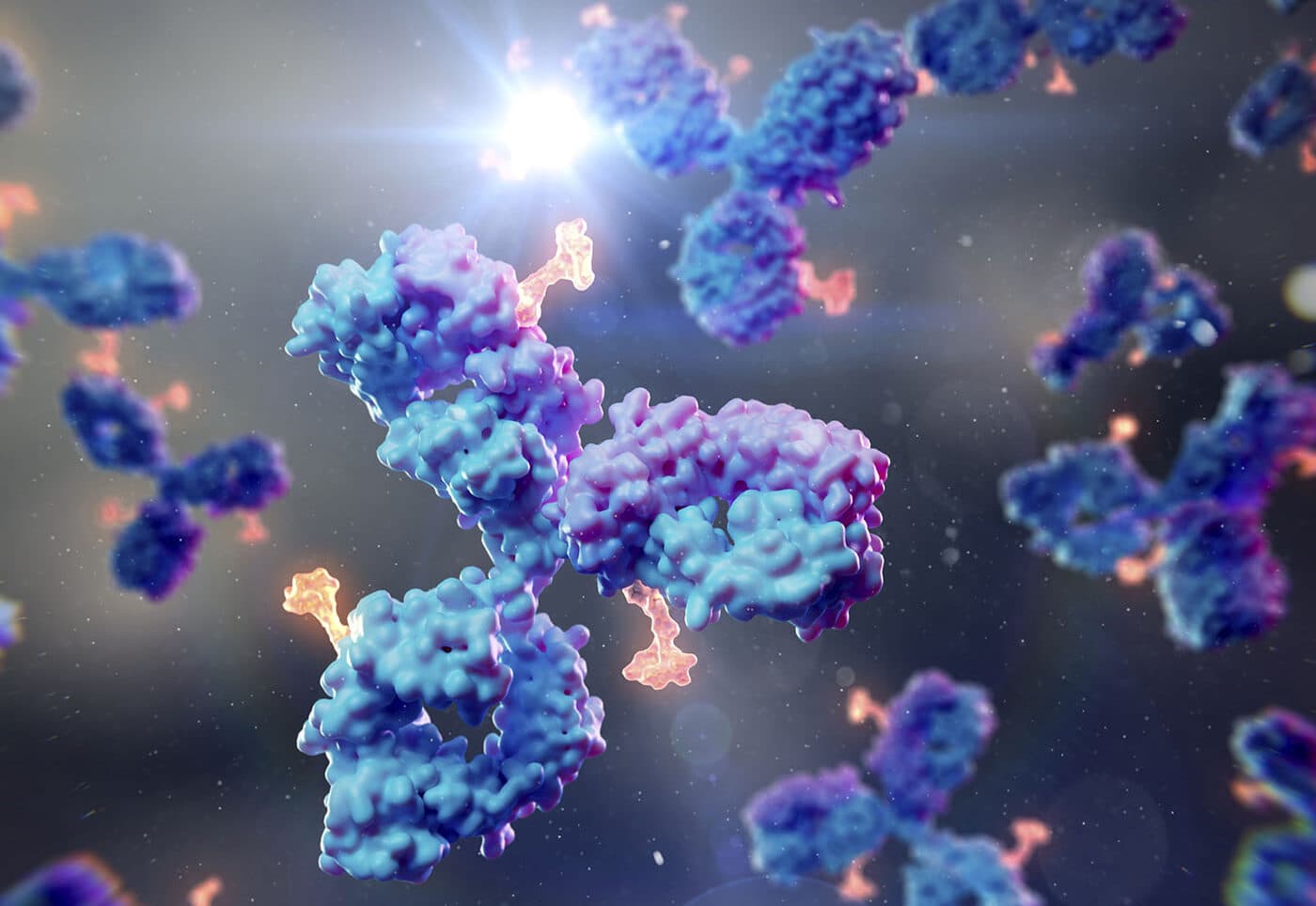
The team’s strategy—calledantibody–ADC click—relies on the rapid ligation betweentrans‑cyclooctene (TCO) and tetrazine moieties. In the study, one antibody (such as panitumumab, targeting EGFR) was modified with TCO, while a second antibody or ADC (such as trastuzumab‑deruxtecan, T‑DXd) carried tetrazine. When administered sequentially, the two components “clicked” together, forming a higher‑order complex that internalized more efficiently and delivered more cytotoxic payload.
The paper described the problem bluntly: “ADC efficacy remains constrained by its dependence on a single target antigen, which limits tumor targeting and promotes resistance in heterogeneous tumors with variable and low antigen expression.” The click strategy, the authors wrote, “provides a modular and translatable approach for enhanced targeted drug delivery in heterogeneous tumors.”
In mice bearing tumors with mismatched HER2 and EGFR expression, the clicked ADCs accumulated at levels up to3.2‑fold higherthan standard ADCs.
The modularity is the point. “The approach is flexible enough to be adapted to new cancer targets as we learn more about what drives treatment resistance,” Ribeiro Pereira added.
Next steps include further development and optimization of the click-enabled ADC platform prior to future clinical translation, along with expanding the platform to notoriously hard‑to‑treat cancers. “We’re trying to optimize this tool to help antibodies reach tumors that are normally very difficult to treat, such as brain tumors,” Ribeiro Pereira said.
NewsAnti cancer drugsConjugate vaccineDrug deliveryEpidermal growth factorMiceMultidrug resistancePrecision medicinePrevious article
AI-Designed Synthetic CRISPR-Like Nucleases Show Activity in CellsNext article
Gene Therapy Partners Aim to Enhance Protein ExpressionAlso of Interest
CloudScope Enables Continuous Remote Monitoring of Brain Activity in Freely Moving MiceChronic Interferon Exposure Linked to Immunosuppression in CancerMonoclonal Antibodies Targeting MMP-9 Alleviate Peripheral Neuropathy in Diabetic MiceAnticancer Candidate Strengthens Bones and Prevents Weight Gain in Postmenopausal MiceCancer Drug Reduces SIV Reservoir in Macaques, May Inform HIV Cure StrategiesPsilocybin Prevents Chemotherapy-Related Peripheral Neuropathy in MiceRelated Media
Sun, Spatial, and Sequencing: A Video Report from the First Day of AGBTThanks DC:GENEditors' Final Report from ASHGGEN Protocols Expert Exchanges: Nanoparticles in Precision Medicine Diagnostics and DeliveryAntibody Drug Conjugates: Manufacturing Precision Guided TherapeuticsGENcast: Cancer Diagnostics and PD-L1The Problem with Lab MiceTop 5ResourcesRecommended For YouPodcast
Touching Base
Touching Base is the dynamic podcast series from the editors ofGEN. Each episode features a rotating case of senior editors—including John Sterling, Kevin Davies, Julianna LeMieux, Alex Phillippidis, Uduak Thomas, Corinna Singleman, and Fay Lin—who delve into emerging stories, exchange ideas, and debate the latest trends in biotech. Additionally, they talk to some of the leading voices in the industry about what's now and next.Start listening today!
Stay up to date with the lasted episodes of Touching Base bysubscribing to theGENPodcast Newsletter