Molecular GPS Guides Neutrophils to Sites of Infection
Data from a scientific collaboration between scientists at the University of Bath and UMass Chan Medical School helps explain how neutrophils, part of the immune system’s defense system, move through the body. Their findings shed light on the mechanisms that control neutrophil movement to specific infection sites without damaging healthy tissues along the way. According to the scientists, their findings point to a potential new target for anti-inflammatory drugs that can treat different conditions including chronic inflammatory diseases of the gut and lung.
Details of their work are published inScience Advancesin a paper titled “Transient Receptor Potential Vanilloid 2 Functions as a Directional Driver for Hepoxilin A3-Mediated Neutrophil Migration.” In the paper, the scientists identify a multi-step process whereby neutrophils that emerge from blood vessels near an infection are guided to specific tissue sites. It involves the release of a molecule called hepoxilin A3by infected cells.
“Neutrophils are cells that can act like bombs, releasing a deadly cocktail of chemicals to kill off disease-causing microbes once they reach a site of infection,” said Randy Mrsny, PhD, a professor in the department of pharmacy and pharmacology at the University of Bath and one of the study’s co-leads. “Unfortunately, in patients with chronic inflammation, their neutrophils can get incorrect signals, making them act as though there is an infection to be neutralized, setting off these bomb-like events and leading to unnecessary tissue damage.”
The current research builds on previous studies from Mrsny and his collaborators that showed how type 2 cannabinoid receptor, CN2R, activation by endocannabinoids could suppress hepoxilin A3-mediated neutrophil migration in the absence of infection. “After nearly 15 years working on this area, we’ve identified exactly how neutrophils ‘know’ how to move, stop, and even change direction to specifically target the infection site and unleash their anti-infection weapons at just the right moment to limit damage to healthy tissues.”
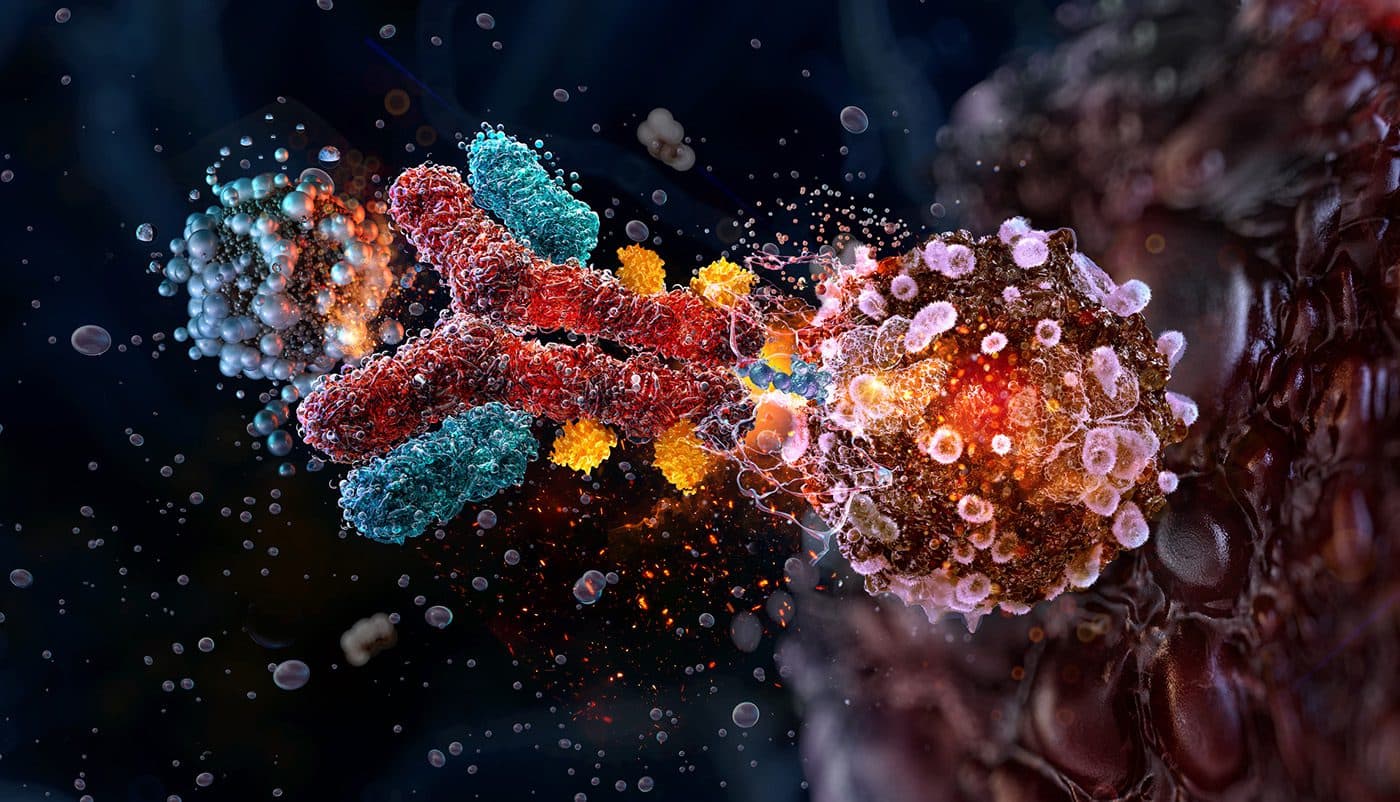
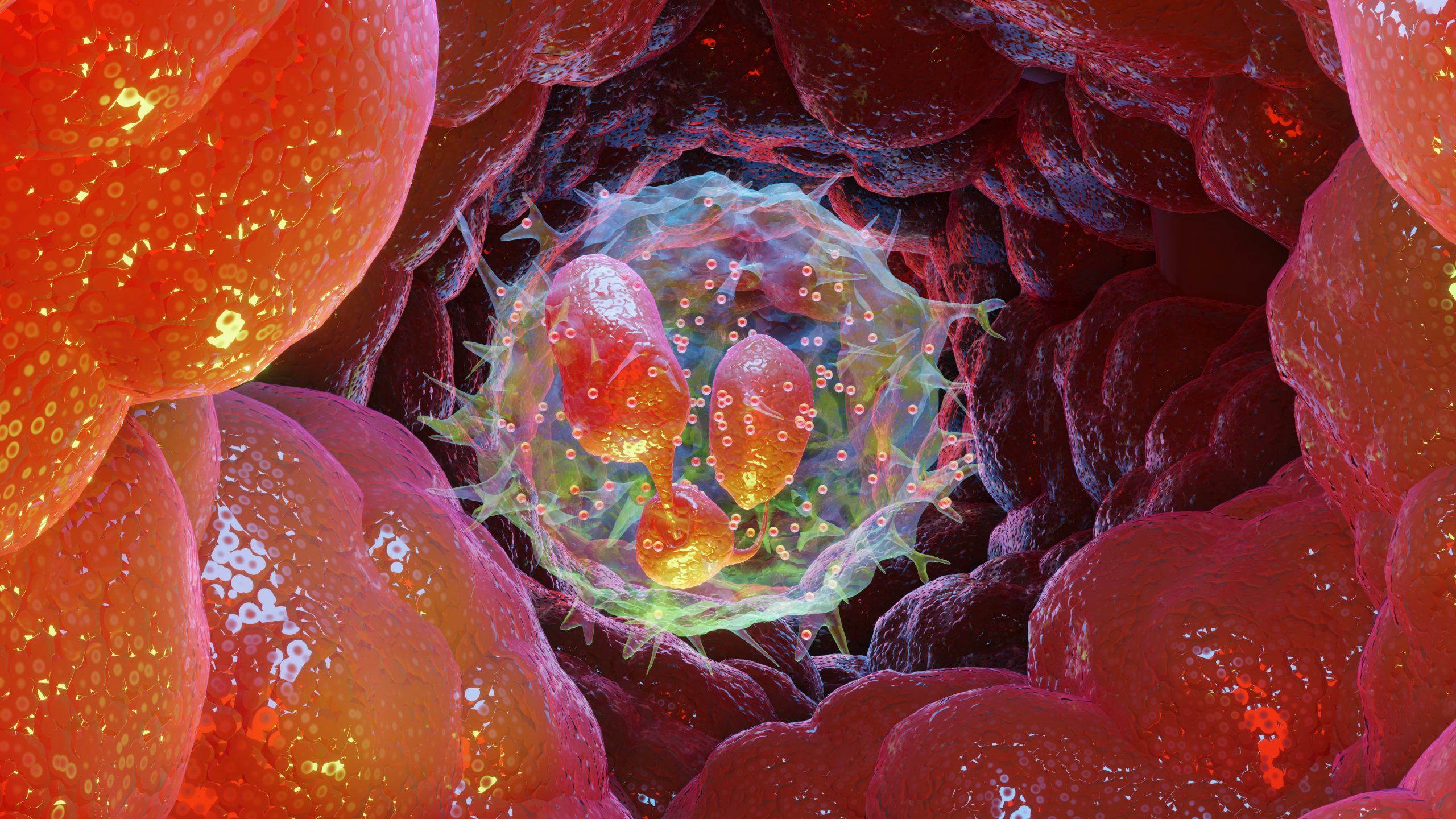
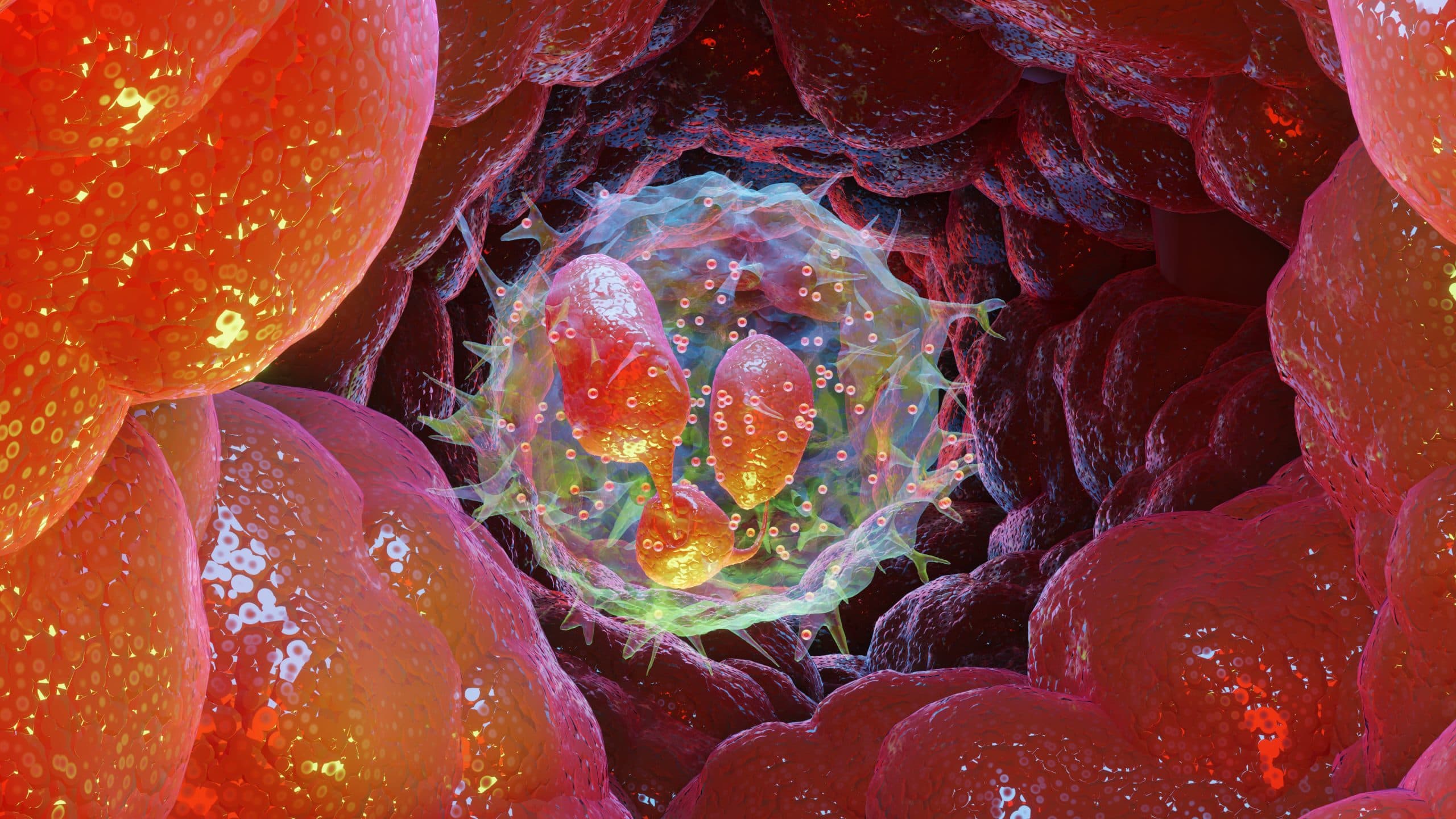
Here’s how that process works. Infected cells release hepoxilin A3that is detected by TRPV2, a sensor protein on the surface of neutrophils. Once the molecule is detected, TRPV2 combines with CB2R, to form a signaling complex that directs migration of neutrophils selectively towards the infection site. Crucially, the neutrophils do not release any caustic agents during the migratory process, which is how they avoid damaging tissues along the way, the scientists explained.
“One of the greatest challenges in treating chronic inflammatory disease is preserving the immune system’s ability to fight infection while preventing unnecessary tissue damage,” said Beth McCormick, PhD, professor and chair in the microbiology department and founding director of the UMass Chan program in microbiome dynamics. McCormick is also a co-lead on the study. “By uncovering this molecular navigation system that precisely directs neutrophils to sites of infection, we’ve identified a promising therapeutic strategy that could restore precision to inflammation rather than simply suppressing it.” She added that the findings represent “an important step toward a new generation of targeted anti-inflammatory therapies.”
NewsAnti inflammatory drugsCannabinoid receptorImmune systemInflammationNeutrophilsPrevious article
Microbiota-Derived Metabolite Enhances HIV Therapy in MonkeysNext article
Ketamine Triggers Sex-Specific Brain Recovery ResponsesAlso of Interest
PD-L2 Blockade May Reduce Harmful Aging Cell BuildupC. difficileHave Lasting Effects on the Infant Gut, Challenging Long-Held AssumptionMolecular Pathways Driving Autoantibody Production Following SARS-CoV-2 Infection IdentifiedPioneering Study of Alpha-Gal Syndrome Launched at Martha's Vineyard HospitalSkull Immune Structures May Provide First Response Against Brain CancerSteroid Curbs Chronic Lung Inflammation Without Weakening Immune DefensesRelated Media
Bye, Bye, Baltimore:GEN’s Takeaways from ASGCTHelen Sabzevari, PhD, of Precigen Connects Cancer and the Immune System on "Close to the Edge"Going BIG: Daphne Zohar on "Close to the Edge"GENcast: The Quiet Voice of Immunotherapy That's Starting to Be HeardGENcast: Cancer Diagnostics and PD-L1Tumor-Related Immune Checkpoints And The Development Of Targeted Cancer ImmunotherapiesTop 5ResourcesRecommended For YouPodcast
Touching Base
Touching Base is the dynamic podcast series from the editors ofGEN. Each episode features a rotating case of senior editors—including John Sterling, Kevin Davies, Julianna LeMieux, Alex Phillippidis, Uduak Thomas, Corinna Singleman, and Fay Lin—who delve into emerging stories, exchange ideas, and debate the latest trends in biotech. Additionally, they talk to some of the leading voices in the industry about what's now and next.Start listening today!
Stay up to date with the lasted episodes of Touching Base bysubscribing to theGENPodcast Newsletter