Molecular Pathways Driving Autoantibody Production Following SARS-CoV-2 Infection Identified
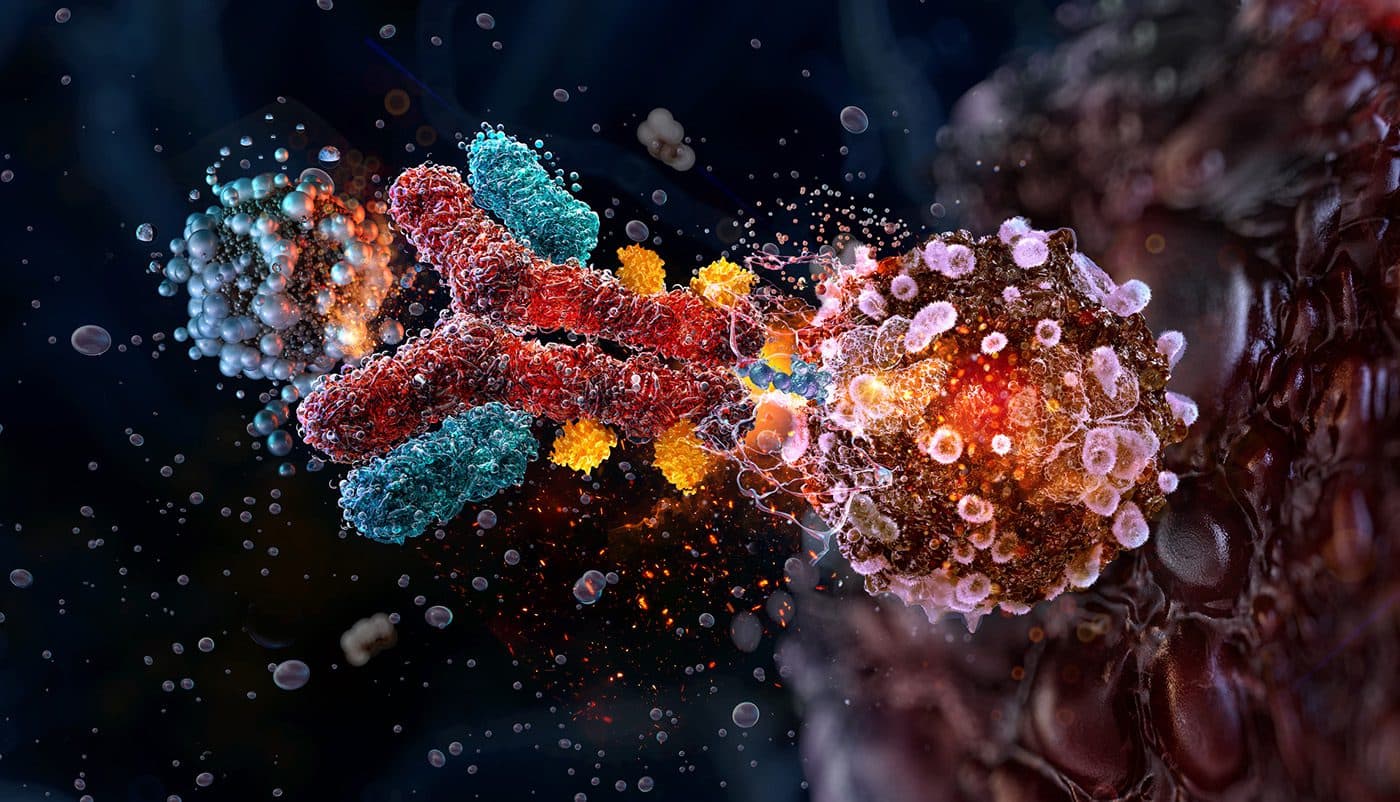
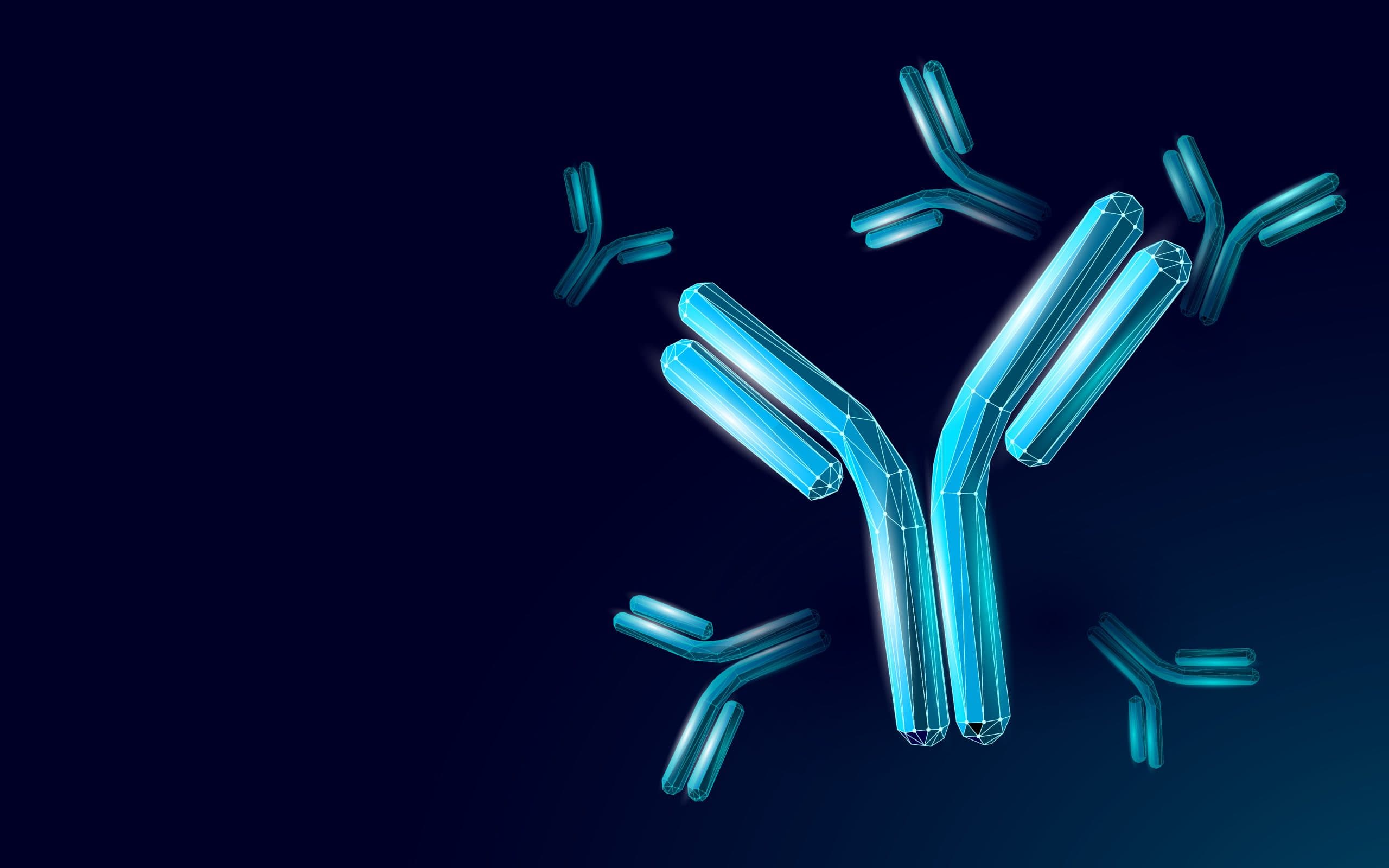
When the immune system encounters a virus, it produces antibodies designed to recognize and eliminate the invader. But in some people infected with SARS-CoV-2 the immune response goes awry, producing autoantibodies that mistakenly attack the body’s own tissues.
Scientistshave long known that these autoantibodiesare associated with severe COVID-19, Long COVID, and with an increased risk of developing autoimmune disease. What has remained unclear is where these harmful antibodies come from.
Researchers at the Institute for Systems Biology (ISB) and their collaborators have now identified the immune cell population responsible for producing the autoantibodies and uncovered the molecular program that drives this response.
The team, led by Jim Heath, PhD, ISB president and professor, combined multiple cutting-edge technologies to analyze immune responses from participants enrolled in ISB’s longitudinal INCOV study of COVID-19. Rather than relying on a single experimental approach, the team integrated single-cell RNA sequencing, chromatin accessibility profiling, plasma proteomics, proteome-wide autoantibody profiling, clinical data, laboratory experiments, and genetic analyses to build a detailed picture of how B cells respond during infection.
The findings provide new insight into how viral infections can trigger autoimmune responses and identify biological pathways that could one day become targets for new therapies.
“Our goal was to understand why some people produce autoantibodies after SARS-CoV-2 infection while others do not,” said Heath. “By combining multiple layers of biological data, we were able to pinpoint the immune cells responsible and identify the regulatory mechanisms that distinguish them.”
The team reported on the findings inImmunity, in a paper titled “A distinct effector B cell population drives autoantibody production in SARS-CoV-2 infection,” in which they concluded, that their results “… provide insights into the molecular and genetic basis of infection-induced autoimmunity in COVID-19 and its downstream outcomes, including Long COVID.”
Autoantibodies (autoAbs) are linked to mortality and Long COVID, and acute SARS-CoV-2 infection also increase the risk of new-onset autoimmune disorders, including systemic lupus erythematosus (SLE), the authors noted. “These observations underscore the need to move beyond these associations and define the cellular and molecular mechanisms of autoAb production in COVID-19.”
Through their newly reported study the researchers identified a subset of B cells known as atypical memory B cells (AtMs) as the primary precursors of autoantibody-producing cells during SARS-CoV-2 infection. While these cells are a normal part of the immune system, the researchers found that individuals with high levels of autoantibodies adopted a markedly different biological program.
Laboratory experiments demonstrated that atypical memory cells from these individuals were especially prone to maturing into antibody-secreting cells that produced autoantibodies. The researchers in addition observed that patients with higher autoantibody levels tended to have weaker virus-neutralizing antibody responses, suggesting that this altered response may come at the expense of protective antiviral immunity. “AutoAb abundance inversely correlated with neutralizing IgG and declined as infection resolved, paralleling the contraction of atypical memory B cells (AtMs),” the team noted.
One of the study’s most striking findings was how closely the major subset of atypical memory B cells, called DN2 cells, resembled immune cells previously implicated in autoimmune diseases such as systemic lupus erythematosus. The researchers found that DN2 cells from patients with elevated autoantibodies showed increased activity in immune signaling pathways controlled by Toll-like receptor 7 (TLR7), along with changes involving the transcription factors T-bet and XBP1. “The pronounced enrichment of TLR7 signaling in autoAb-high DN2s mirrors pathways previously described in SLE,” they pointed out. Together, these pathways appear to prime the cells to produce autoantibodies.
Genetic analyses strengthened the connection. Among all B-cell populations examined, DN2 cells showed the strongest enrichment for inherited genetic risk associated with multiple autoimmune diseases, including lupus, rheumatoid arthritis, multiple sclerosis, inflammatory bowel disease, Crohn’s disease, type 1 diabetes, and primary biliary cirrhosis. “Integrated genetic and genomic analyses showed that DN2s had the strongest enrichment for autoimmune trait heritability and inferred regulatory effects of autoimmune risk variants among B cell subsets,” the investigators stated.
“Our findings suggest that SARS-CoV-2 infection can activate an immune program that closely resembles those involved in established autoimmune disorders, helping explain why some individuals experience autoimmune complications following infection,” said ISB lead author Dan Yuan, PhD.
Although the study focused on COVID-19, the implications extend well beyond a single virus. The work suggests that infection can reveal underlying immune tendencies that, in genetically susceptible individuals, favor the production of autoantibodies. Understanding this process may ultimately improve scientists’ ability to identify patients at higher risk for autoimmune complications and guide development of therapies that interrupt these harmful immune responses before they become established.
“Our findings point to specific immune pathways that could become future therapeutic targets,” Yuan noted. “By understanding how these cells become activated, we move closer to interventions that could prevent or reduce harmful autoimmune responses following infection.”
While additional studies will be needed to determine whether directly targeting these pathways can improve patient outcomes, the researchers say the work provides one of the clearest pictures to date of how infection-induced autoantibody production begins.
“The study also demonstrates the power of ISB’s systems biology approach,” Heath commented. “By integrating diverse molecular datasets with clinical information and functional experiments, we were able to move beyond identifying associations to uncover the cellular mechanisms that drive disease.”
NewsAutoantibodiesAutoimmune diseasesB cellsCOVID-19Genetic testing (Genetics)Immune systemSignaling pathwayToll-like receptorsPrevious article
Notch Signaling Switch Enables Scalable Helper T Cell Production for CAR TNext article
StockWatch: Revolution Shares Stay Flat Despite Historic FDA Approval of Oral Pancreatic Cancer TherapyAlso of Interest
PD-L2 Blockade May Reduce Harmful Aging Cell BuildupChronic Interferon Exposure Linked to Immunosuppression in Cancer10 CDMO Up & Comers 2026Regenerative Medicine in the Bronze Age: MSCs and MSC-EVs Leading the WayC. difficileHave Lasting Effects on the Infant Gut, Challenging Long-Held AssumptionPioneering Study of Alpha-Gal Syndrome Launched at Martha's Vineyard HospitalRelated Media
Bye, Bye, Baltimore:GEN’s Takeaways from ASGCTEmerging Markets Collaborate to Succeed in Post-Pandemic WorldDr. Fauci Reflects on His 54 Year Career at the NIHHow COVID-19 Forever Changed the In Vitro Diagnostics MarketplaceLessons from the COVID Crisis: An Interview with Peter HotezHow’s the Biotechnology Business? A Conversation with Chris Garabedian, Brad Loncar, and Daphne ZoharTop 5ResourcesRecommended For YouPodcast
Touching Base
Touching Base is the dynamic podcast series from the editors ofGEN. Each episode features a rotating case of senior editors—including John Sterling, Kevin Davies, Julianna LeMieux, Alex Phillippidis, Uduak Thomas, Corinna Singleman, and Fay Lin—who delve into emerging stories, exchange ideas, and debate the latest trends in biotech. Additionally, they talk to some of the leading voices in the industry about what's now and next.Start listening today!
Stay up to date with the lasted episodes of Touching Base bysubscribing to theGENPodcast Newsletter