Mung Bean Pan-Genome Study Maps Key Genes for Yield, Nutrition, and Pest...
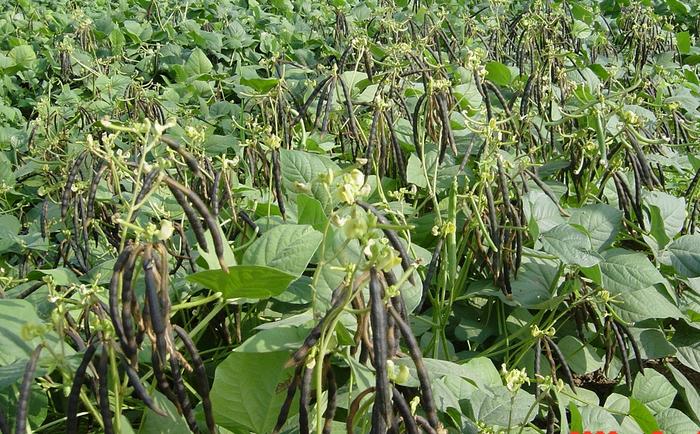
Because Mung beans (Vigna radiata)are nutritious, inexpensive, have nitrogen-fixing capacity, and are relatively easy to grow with a short growing cycle, they are an important crop for food security in many parts of Asia, Africa, and other regions. Now, researchers have made a significant contribution to a landmark international study that has uncovered tens of thousands of previously hidden structural variations influencing yield, nutritional quality, insect resistance, and other relevant mung bean traits.
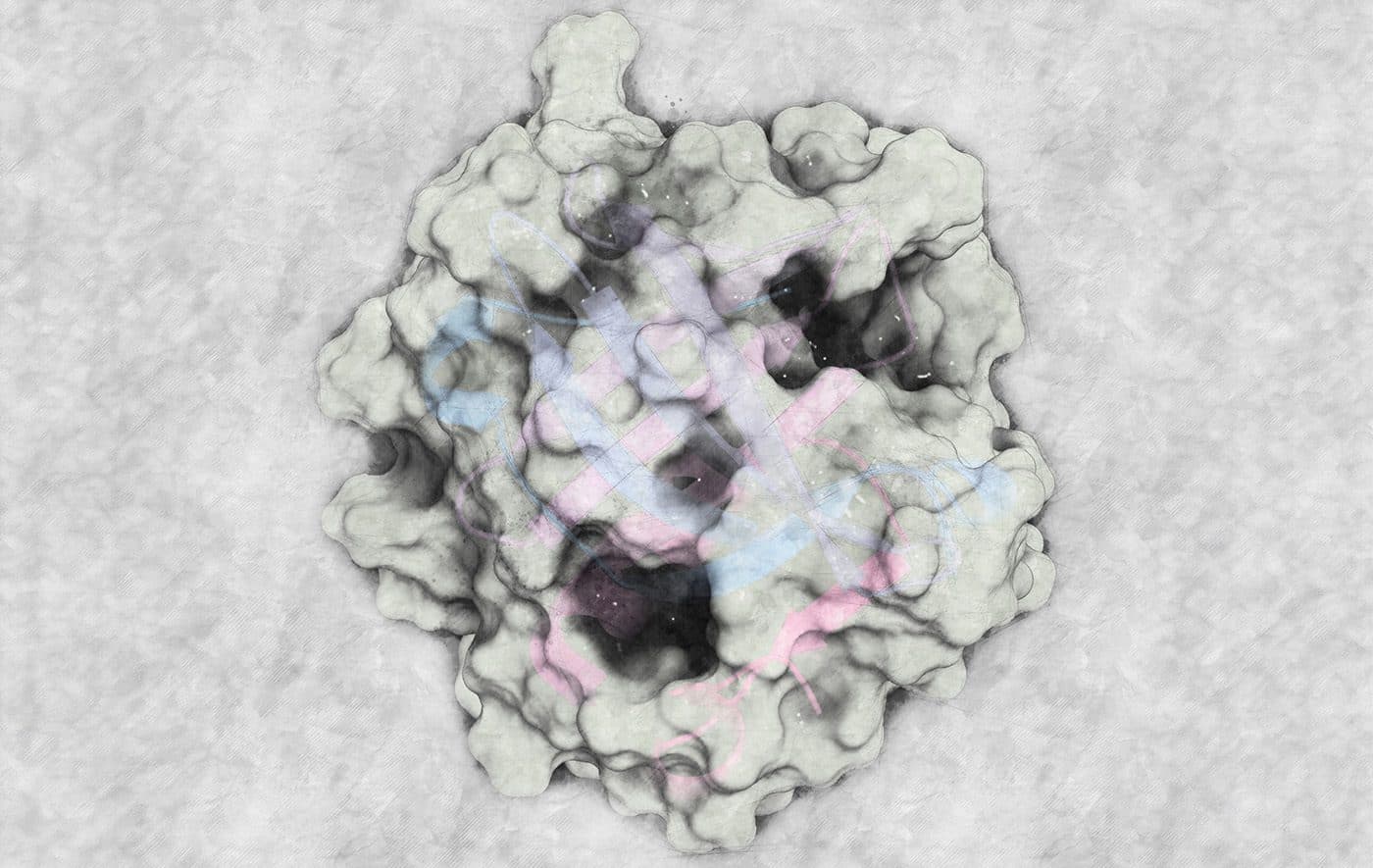
The study entitled, “Graph-based pan-genome reveals structural variations associated with agronomic traits in mung bean,” published inNature Genetics,presents the world’s first graph-based pan-genome for the pulse crop (a legume grown specifically for its dry edible seeds) offering a comprehensive resource for understanding the genetic basis of key agronomic traits and accelerating crop improvement.
The international research team, co-led by researchers at the Chinese Academy of Agricultural Sciences and Murdoch University’s Centre for Crop and Food Innovation (CCFI), assembled chromosome-scale genomes from genetically diverse mung bean accessions and analyzed genomic variation across 580 global accessions. The resulting graph-based pan-genome captures more than 75,000 gene families and identifies over 66,000 structural variants, offering important insights that will help breeders target key agronomic traits and accelerate crop improvement.
More specifically, the authors note that, “integrating these structural variants and single nucleotide polymorphisms, genome-wide association studies across five environments identified candidate genes for 20 agronomic traits, underscoring the pivotal roles of these variants in driving mung bean domestication and improvement.”
Mechanistically, they add, the work demonstrates that “a 68-bp promoter insertion inVrTIFY6Band a 136-bp promoter deletion inVrPGIP1regulate flavonoid content and confer bruchid resistance, respectively.”
In Australia, mung bean generates over $100 million annually in export revenue. At roughly three times the price of wheat, it represents a highly profitable break crop opportunity for Australian growers; however, seasonal rainfall variability continues to drive significant year-to-year swings in the size and value of the crop.
By cataloging tens of thousands of previously invisible structural variations and linking them to agronomic traits through genome-wide association analysis, this new genomic resource gives breeders a far more complete map of the genetic variation they can work with.
Globally, where mung bean underpins the diets and incomes of millions of smallholder farmers across Asia and Africa, the study’s findings on genes governing seed nutritional compounds and resistance to bruchids, a major storage pest, have direct implications for global food security.
Rajeev Varshney FRS FAA, CCFI director, said the research represents a major advance in crop genomics and demonstrates how next-generation genomic technologies are transforming plant breeding. “Traditional reference genomes capture only part of the genetic diversity within a crop species. By constructing a graph-based pan-genome, we can now identify structural variations that were previously invisible but often have profound effects on important agricultural traits.
“These discoveries provide breeders with powerful new genomic tools to accelerate the development of higher-yielding, more nutritious and climate-resilient mung bean varieties,” Varshney continues. “The genomic resources generated through this work will support marker-assisted breeding, genomic selection and genome editing, enabling breeders to deliver improved varieties to farmers much faster.”
NewsAgrigenomicsBreedingGenome analysisPesticidesPrevious article
Immune Evasion Uncovered by Virome-Wide Ubiquitin Ligase DiscoveryNext article
New Lung Model Reveals RSV Immune Response, Points to Better TreatmentsAlso of Interest
Multi-Academic Study Finds No Link Between Pesticide Exposure and Autism TraitsPangenome-Guided Breeding Boosts Yield and High-Altitude Adaptation in BuckwheatAg Genomics Begins to Bear FruitNvidia Unveils Science Reasoning AI Suite with BioNeMo Agent ToolkitTwin Prime Editing Enables Rapid Trait Stacking in CropsNext Gen Leadership Awards Presented at the AGBT Agricultural MeetingRelated Media
Cas-CLOVER: An Advanced Gene Editing Technology Capable of Meeting Crop Improvement ChallengesA Report from AGBT Ag: Planting the Seed in San AntonioPart I: MassGeneral’s Rudy Tanzi, PhD, Shares New Genetic Findings on Alzheimer’sTop 5ResourcesRecommended For YouPodcast
Touching Base
Touching Base is the dynamic podcast series from the editors ofGEN. Each episode features a rotating case of senior editors—including John Sterling, Kevin Davies, Julianna LeMieux, Alex Phillippidis, Uduak Thomas, Corinna Singleman, and Fay Lin—who delve into emerging stories, exchange ideas, and debate the latest trends in biotech. Additionally, they talk to some of the leading voices in the industry about what's now and next.Start listening today!
Stay up to date with the lasted episodes of Touching Base bysubscribing to theGENPodcast Newsletter