Neural Mechanism Identified That Drives Increased Alcohol Use in Isolated Male Mice
A preclinical study led by researchers at Northwestern University and the Salk Institute for Biological Studies has found that loneliness can reprogram the brain in ways that push alcohol consumption, in males.
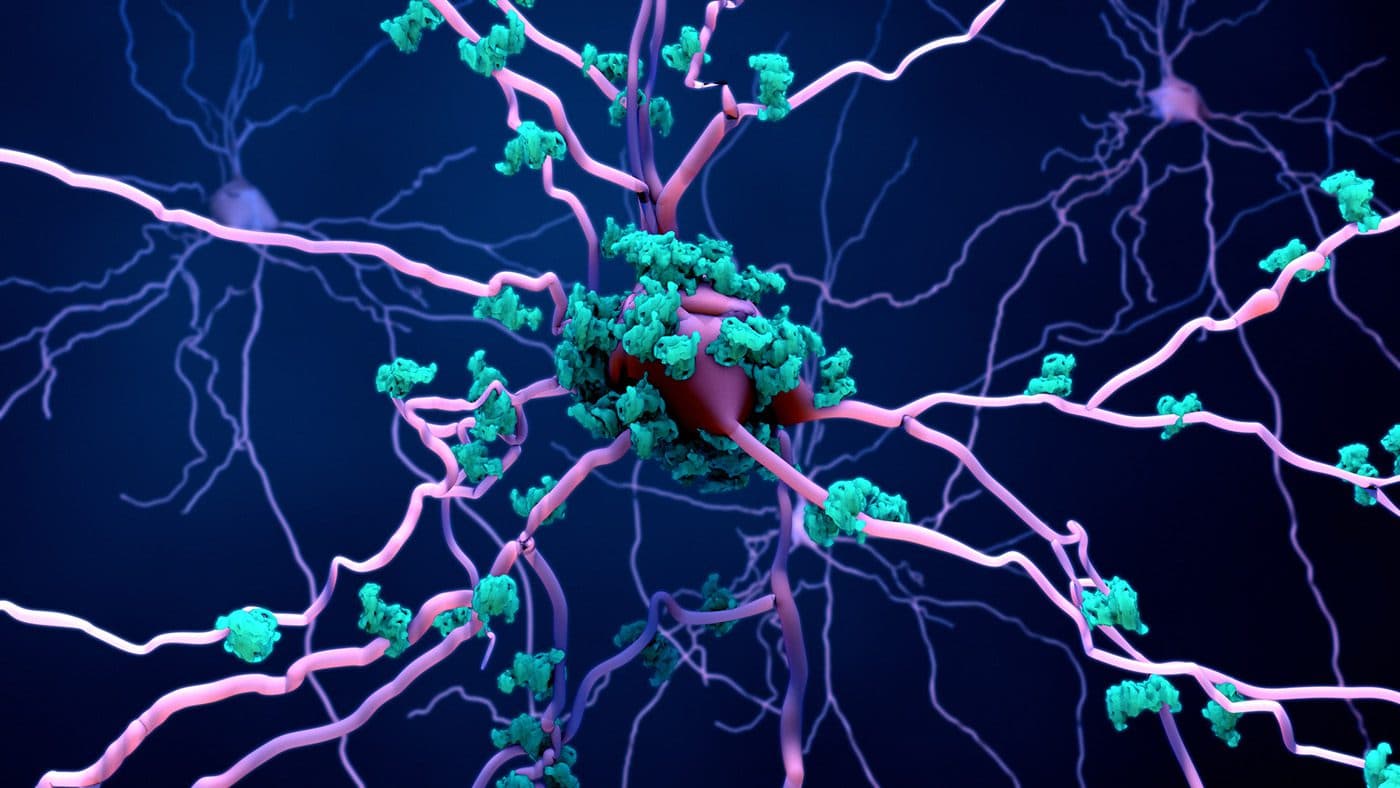
The scientists identified, for the first time, a brain mechanism through which isolation escalates alcohol use in male mice but suppresses it in females. They discovered a role for a subpopulation of basolateral amygdala (BLA) neurons, projecting into the medial prefrontal cortex (mPFC), in driving alcohol consumption during social isolation. Experiments showed that isolation increased BLA–mPFC excitability in males but decreased it in females.
“This is the first study to identify a specific brain circuit that explains how social isolation can drive increased alcohol use in males, marking a major advance for the field,” said Reesha Patel, PhD, assistant professor of general psychiatry and neuroscience at Northwestern University Feinberg School of Medicine. “These findings provide a much clearer biological target for understanding and eventually treating alcohol misuse that arises from isolation, a problem that is becoming increasingly common.”
Patel is first author of the researchers’ published paper inNature Neuroscience, titled “Social isolation recruits amygdala–medial prefrontal cortex projections to escalate alcohol drinking in male mice,” in which they conclude that their collective results “… identify a BLA–mPFC pathway mechanism through which social isolation reconfigures prefrontal processing to promote alcohol intake.”
Alcohol use disorder is the most prevalent substance use disorder worldwide, affecting an estimated seven percent of the global population over age 15 years, the authors wrote, citing World Health Organization figures. Social isolation is rising worldwide and is now recognized as a major public health risk, with strong links to substance misuse, they continued. “… social isolation in adults is associated with heavy drinking in humans and increased alcohol intake in mice, highlighting the sensitivity of the adult brain to social experience.”
Yet scientists don’t fully understand how feeling isolated rewires the brain in ways that increase vulnerability to alcohol abuse. “Identifying the neural circuit mechanisms through which social experiences, such as isolation, modulate alcohol drinking will reveal how social context shapes vulnerability to alcohol misuse,” the investigators stated.
The team focused their study on the basolateral amygdala and medial prefrontal cortex, which are key brain regions involved in processing emotion, stress responses and social information. Their independent contributions to alcohol drinking are well established, the authors noted. “This led us to investigate whether BLA circuits adapt to social isolation in ways that influence alcohol use.”
They were particularly interested in connections from the basolateral amygdala, which processes emotional and stress signals, to the medial prefrontal cortex, which regulates decision making. “Using whole-cell patch-clamp electrophysiology, optogenetics and cellular-resolution calcium imaging, we tested the hypothesis that the BLA–mPFC circuit drives maladaptive alcohol drinking patterns in response to social isolation.”
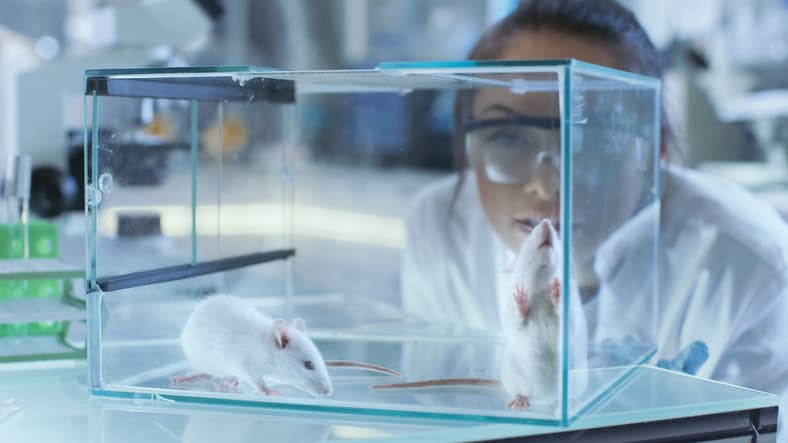
To carry out the research the team first housed adult male and female mice socially, then moved some to single housing, to model adult social isolation, while keeping others socially housed as controls. The mice were given daily one-hour opportunities to drink from a bottle of water or a bottle filled with a 15% alcohol solution. Their consumption and choices were tracked over roughly two weeks, during which male mice progressively increased their alcohol intake, while females reduced it. “We found that isolation increases alcohol drinking in males, while females show reduced alcohol intake,” they stated.
The scientists recorded brain activity in the BLA and mPFC while the animals freely moved around and elected whether to drink alcohol. “Whole-cell recordings revealed that neurons in the basolateral amygdala projecting to the medial prefrontal cortex (BLA–mPFC) track alcohol intake in both sexes,” they noted. But while isolation increased BLA–mPFC excitability in males it decreased it in females, mirroring their opposite behavioral adaptations.
“Our work shows that a defined pathway becomes overactive during isolation and directly increases drinking, and that males and females rely on different neural strategies when they’re lonely,” Patel said. “This may help explain long-standing sex differences in neuropsychiatric disorders.” Patel said she cannot say definitively why isolation increased alcohol consumption in male mice but reduced it in females.
But she noted that the sex differences observed in the study mirrorpatterns reportedin somehuman research. The team then tested whether this brain pathway merely reflected drinking or caused it. Using optogenetics—brief pulses of light that turn brain circuits on or off—they artificially activated the circuit in non-isolated male mice. This caused their brains to respond to alcohol as if they had been socially isolated. Conversely, when the same circuit was silenced in isolated male mice, alcohol consumption decreased. “BLA–mPFC circuit stimulation mimicked the heightened mPFC alcohol responses observed during social isolation,” they noted. “Furthermore, inhibition of the BLA–mPFC circuit during social isolation reduced alcohol intake, suggesting a causal role of the BLA–mPFC circuit in alcohol drinking.”
The scientists say they now want to understand what keeps this circuit overactive during social isolation and how downstream brain regions, including the medial prefrontal cortex, contribute to the effect. They also plan to explore why males and females respond so differently to isolation and whether hormones or deeper circuit-level differences play a role. Another important step is determining how these findings translate to humans.
NewsAlcohol dependenceBrainClinical study and study designsMiceNeuronsPrevious article
One Standard, Multiple Platforms: ICH Q2(R2) Qualification of Host Cell Protein Analysis by LC–MS/MSNext article
Expanded Synthetic Promoter Library Introduced to Boost Biomanufacturing OperationsAlso of Interest
CloudScope Enables Continuous Remote Monitoring of Brain Activity in Freely Moving MiceMonoclonal Antibodies Targeting MMP-9 Alleviate Peripheral Neuropathy in Diabetic MiceAnticancer Candidate Strengthens Bones and Prevents Weight Gain in Postmenopausal MicePsilocybin Prevents Chemotherapy-Related Peripheral Neuropathy in MiceGLP-1 Drug Semaglutide Slows Aging and Extends Lifespan in MiceGenetic Toolkit Isolates Neuron Types inDrosophilaBrainRelated Media
GEN Protocols Expert Exchanges: Tools and Techniques to Develop Therapies for Neurological DisordersGoing BIG: Daphne Zohar on "Close to the Edge"Shoot the Neurons Off a Fly's BrainNew Synthetic Nerve Could Transform ProstheticsThe Present and Future of Mini BrainsNeuronal Stem Cell–Signaling Gene Responsible for Human Brain SizeTop 5ResourcesRecommended For YouPodcast
Touching Base
Touching Base is the dynamic podcast series from the editors ofGEN. Each episode features a rotating case of senior editors—including John Sterling, Kevin Davies, Julianna LeMieux, Alex Phillippidis, Uduak Thomas, Corinna Singleman, and Fay Lin—who delve into emerging stories, exchange ideas, and debate the latest trends in biotech. Additionally, they talk to some of the leading voices in the industry about what's now and next.Start listening today!
Stay up to date with the lasted episodes of Touching Base bysubscribing to theGENPodcast Newsletter