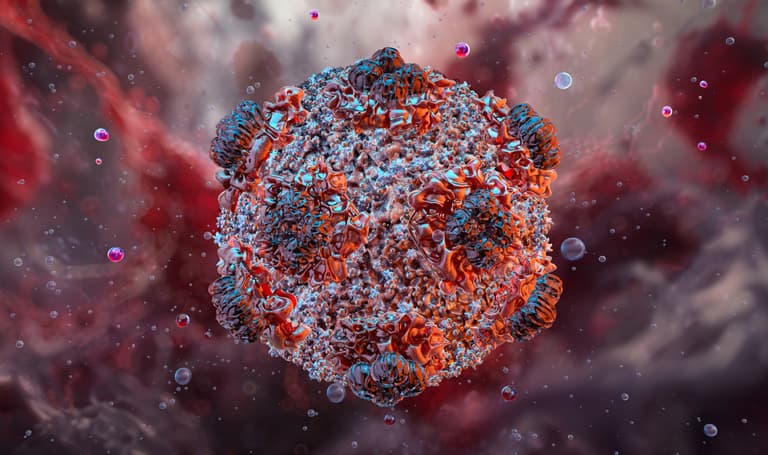
New sa‑mRNA and LNP Platform to Support Korea’s Hantavirus Vaccine Initiative
With hantavirus thrust into the public spotlight in recent months, a new effort in South Korea aims to advance vaccine development against the rodent-borne pathogen using mRNA technologies.
Korea University College of Medicine has been selected to lead a government-supported initiative focused on developing next-generation hantavirus vaccines. The program will be conducted through the institution’s Vaccine Innovation Center.
Hantaviruses are carried primarily by rodents and can infect humans through exposure to contaminated urine, droppings, or saliva. Depending on the viral strain, infection can cause hantavirus pulmonary syndrome (HPS), a severe respiratory illness, or hemorrhagic fever with renal syndrome (HFRS), a disease characterized by kidney dysfunction and bleeding complications. Although relatively rare, hantavirus infections can carry high mortality rates and remain a public health concern in parts of Asia, Europe, and the Americas.
The renewed focus on vaccine development comes amid growing interest in preparedness for emerging and re-emerging infectious diseases. While mRNA technology gained worldwide recognition during the COVID-19 pandemic, researchers have increasingly explored its application against a broader range of viral threats.
According to Korea University, the newly funded program will leverage the rapid development potential of mRNA platforms to generate vaccine candidates targeting hantavirus infection.
“The Vaccine Innovation Center is the only private-sector vaccine research and development institute in Korea established to carry forward the scientific legacy of Dr. Ho-Wang Lee, who first discovered the hantavirus,” said Hee-Jin Cheong, MD, PhD, director of the Vaccine Innovation Center. “Beginning with hantavirus vaccine development, we aim to lead infectious disease research in Korea and contribute to improving public health.”
The initiative will draw on two domestically developed technologies: self-amplifying mRNA (sa-mRNA) and a next-generation lipid nanoparticle (LNP) delivery platform. Unlike conventional mRNA vaccines, sa-mRNA contains genetic instructions that enable replication of the RNA within cells, potentially generating stronger immune responses while requiring lower doses. The platform is intended to support rapid vaccine development and manufacturing while reducing dependence on overseas intellectual property.
The project builds on research conducted over the past two years at the Vaccine Innovation Center in collaboration with Moderna. The new program will seek to translate preclinical study findings into a next-generation vaccine candidate developed in partnership with biotechnology companies.
Under the two-year project timeline, researchers will spend the first year optimizing vaccine candidates and evaluating their efficacy. The second year will focus on Good Manufacturing Practice (GMP)-compliant production and safety testing.
Researchers have increasingly viewed mRNA platforms as particularly attractive because they can be rapidly redesigned when emerging threats arise. Lessons learned from COVID-19 vaccine development have helped establish manufacturing, regulatory, and clinical frameworks that may accelerate future vaccine programs.
As concern over emerging infectious diseases continues to shape global health priorities, programs such as this one may help expand the range of vaccine technologies available to combat pathogens that have historically received limited research attention.
NewsDrug development (Pharmacology)Good manufacturing practiceHantavirusNanoparticlesRNAZoonosesPrevious article
Unlocking Microbiome Function with Anaerobic Workflows and Metabolic PhenotypingNext article
Biomanufacturing in Space to Be Key Topic at ISSCR 2026Also of Interest
Revvity Signs Agreement to Acquire Human Cell Design10 CDMO Up & Comers 2026AI Accelerates Biomanufacturing from Discovery to TranslationPurifying Complex Therapeutics Requires Fresh ApproachesNRAS Mutations May Require Mutation-Guided Combination TherapiesDesign for Commercial Scale from Day OneRelated Media
Boston's Bioprocessing Buzz:GENReports Live from BPI 2025Sun, Sequencing, and Spatial: Day One at AGBT 2025Perfect Pitch: Genome Editing Pioneer Fyodor Urnov on Commercializing CRISPR Therapies and Epigenomic TuningMechanistic Modeling Improves Drug Discovery Workflows and Speeds Therapeutic DevelopmentGEN Protocols Expert Exchanges: Nanoparticles in Precision Medicine Diagnostics and DeliveryFront Row Series 2: AI in Drug Discovery and DevelopmentTop 5ResourcesRecommended For YouPodcast
Touching Base
Touching Base is the dynamic podcast series from the editors ofGEN. Each episode features a rotating case of senior editors—including John Sterling, Kevin Davies, Julianna LeMieux, Alex Phillippidis, Uduak Thomas, Corinna Singleman, and Fay Lin—who delve into emerging stories, exchange ideas, and debate the latest trends in biotech. Additionally, they talk to some of the leading voices in the industry about what's now and next.Start listening today!
Stay up to date with the lasted episodes of Touching Base bysubscribing to theGENPodcast Newsletter