New Single‑Cell Platform Tracks RNA and Protein in Immune Signaling
A new single‑cell sequencing method is giving researchers a clearer view of how immune cells actually behave—capturing not just what they plan to do, but what they are doing in real time. The platform, called CIPHER‑seq, measures RNA and proteins simultaneously inside the same immune cell, exposing gaps between genetic intent and functional output that have long complicated studies of cytokine signaling. The work, titled “CIPHER-seq enables intracellular multimodal profiling of cytokine responses in single immune cells,” appears inScientific Reports.
Single‑cell RNA sequencing has reshaped immunology by revealing which genes are switched on across thousands of cells at once. But RNA alone can be misleading, especially for cytokines. However, RNA is only a set of instructions; proteins carry out the action. And for cytokines, RNA levels often fail to predict how much protein a cell actually produces. “In immune cells, RNA and protein don’t always rise and fall together,” said co‑senior author Emiliano Cocco, PhD, an assistant professor of biochemistry and molecular biology at the Miller School.
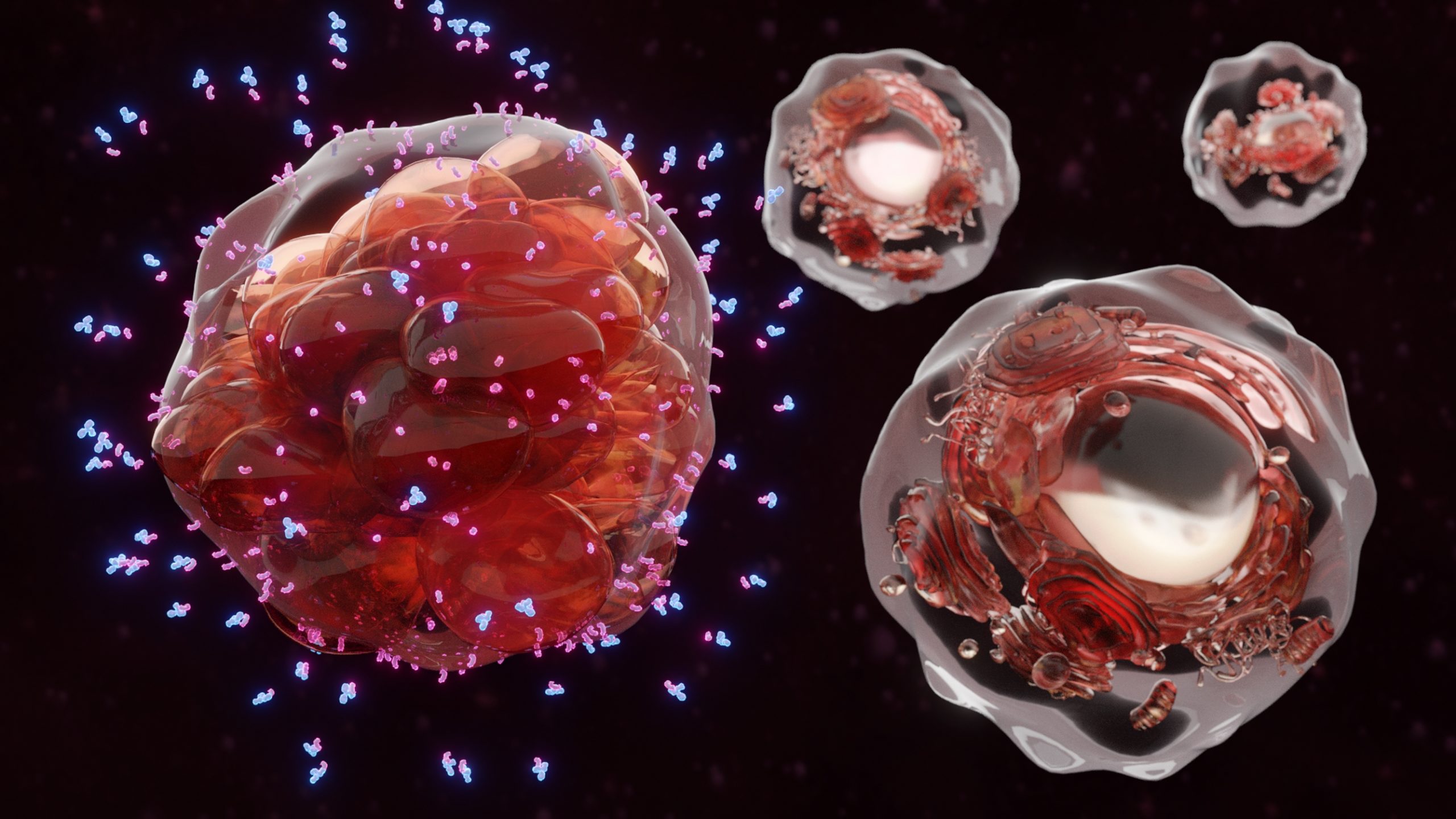
CIPHER‑seq (Cytokine Intracellular Protein High-throughput Expression with RNA-sequencing) was designed to close that gap. Developed by researchers at the Sylvester Comprehensive Cancer Center at the University of Miami Miller School of Medicine, together with collaborators at UCSF and the Helen Diller Family Comprehensive Cancer Center, the method gently preserves cells and captures multiple molecular layers at once. From a single immune cell, CIPHER‑seq can quantify genome‑wide RNA, surface proteins, intracellular proteins, and cytokines that have not yet been released—creating a more complete snapshot of immune activity than RNA‑only approaches.
“RNA gives us clues about where a cell is headed,” said co‑senior author Justin Taylor, MD, a Sylvester physician-scientist. “Proteins show us where it actually arrives, and this clearer picture could help scientists design better immunotherapies and help clinicians predict which patients are most likely to benefit from them.”
The team validated the platform by stimulating peripheral blood mononuclear cells (PMBCs) and tracking their responses. According to the study, CIPHER‑seq captured robust induction of key cytokines—including interferon‑gamma and tumor necrosis factor—while also resolving metabolic remodeling during activation. Importantly, the method revealed the timing of these events: RNA signals rose first, followed by delayed but consistent protein accumulation. First author Avni Bhalgat, PhD, described it as “seeing the plan before the action. Cytokines help determine whether immune cells attack cancer, ignore it, or even help tumors grow.”
The researchers also compared CIPHER‑seq with standard single‑cell workflows and found a notable difference: cells processed with CIPHER‑seq showed far fewer mitochondrial stress signatures. Some existing protocols inadvertently damage cells during preparation, triggering artificial stress responses. By reducing these artifacts, CIPHER‑seq provides a cleaner readout of immune behavior.
The authors emphasize that this multimodal view is especially valuable for studying cancer, inflammation, and treatment resistance—contexts where cytokine timing and protein abundance can shape therapeutic outcomes. “The platform helps us move beyond inference and toward understanding how immune responses truly unfold—one cell at a time,” Taylor added. By tracking RNA and protein together, CIPHER‑seq moves researchers beyond inference and toward a step‑by‑step understanding of how immune responses unfold.
NewsCytokinesImmune cellsProteinsRNASignaling pathwaySingle-cell RNA sequencingSingle-cell sequencingPrevious article
Neurocrine Grows in Endocrinology, Rare Disease with $2.9B Soleno BuyoutNext article
Childhood Dementia Explained by Synaptic Dysfunction, Opens New TherapiesAlso of Interest
PD-L2 Blockade May Reduce Harmful Aging Cell BuildupChronic Interferon Exposure Linked to Immunosuppression in CancerManus and UT Austin Advance Biomanufacturing Product Recovery Through BioMADE ProgramManaging Misbehaving mAbs with Advanced Purification StrategiesBreaking the Wet-Lab Bottleneck in AI-Driven Antibody DiscoveryMicro-Bladder Model Demonstrates How Phage Therapy Could Help to Reduce Recurrent UTIsRelated Media
AI in Protein Design: Hype vs. Reality Explained by David BakerSpace Race: 10x CEO Serge Saxonov Discusses Single Cell and Spatial Biology on “Close to the Edge”GEN Protocols Expert Exchanges: Single-Cell RNA Sequencing--Challenges and SolutionsImproving Protein Therapeutic Production is a Key Goal of Biopharma 4.0GENcast: The Quiet Voice of Immunotherapy That's Starting to Be HeardTop 5ResourcesRecommended For YouPodcast
Touching Base
Touching Base is the dynamic podcast series from the editors ofGEN. Each episode features a rotating case of senior editors—including John Sterling, Kevin Davies, Julianna LeMieux, Alex Phillippidis, Uduak Thomas, Corinna Singleman, and Fay Lin—who delve into emerging stories, exchange ideas, and debate the latest trends in biotech. Additionally, they talk to some of the leading voices in the industry about what's now and next.Start listening today!
Stay up to date with the lasted episodes of Touching Base bysubscribing to theGENPodcast Newsletter