Sign in
Welcome! Log into your account
Forgot your password? Get helpPrivacy PolicyPassword recovery
Recover your password
A password will be e-mailed to you.
GEN – Genetic Engineering and Biotechnology NewsHomeTopicsBioprocessingNextgen Platform Combines VectorBuilder and Maxcyte Technologies to Boost Clinical-Grade Cell Engineering
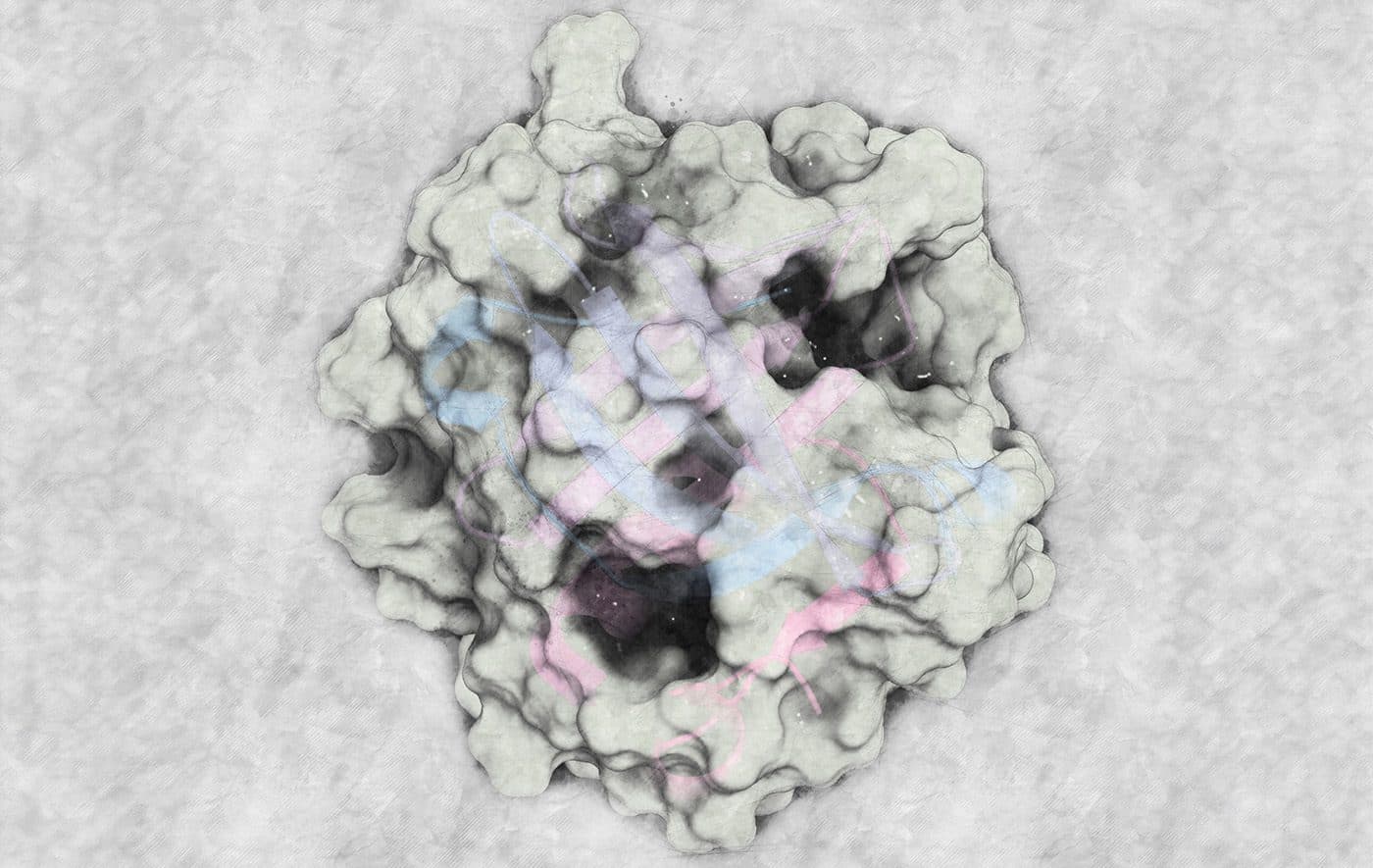
MaxCyte and VectorBuilder believe that a new standard for non-viral gene delivery can be enabled, i.e., one that enhances cell quality, improves manufacturing efficiency, and provides developers with a more streamlined path from research through commercialization. [Mohammed Haneefa Nizamudeen/Getty Images]
VectorBuilder and MaxCyte formed a strategic partnership focused on co-developing a new gene delivery solution using VectorBuilder’sMiniVec™ plasmid systemand MaxCyte’s clinical electroporation platform forex vivocell engineering.
Officials at both companies say thatex vivocell therapies such as CAR-T, CAR-NK, and iPSC-based treatments have gained significant traction, but critical challenges in safety and manufacturability continue to limit their broader application. They explain that existing gene delivery methods present significant trade-offs: traditional electroporation of conventional DNA or RNA often results in poor target cell viability or limited therapeutic durability, while lentiviral vectors, though widely used, carry high production costs and potential safety risks such as malignancy arising from vector integration into the host genome.
What is collectively needed, both companies maintain, are more efficient, safer, and scalable approaches to cell engineering.
The partnership between VectorBuilder and MaxCyte has been designed to address these challenges by developing the next-generation electroporation-basedex vivogene delivery solution through the integration of VectorBuilder’s MiniVec backbone with MaxCyte’s Flow Electroporation® technology.
MiniVec is described as a miniaturized plasmid backbone that eliminates the need for antibiotic- or additive-based selection during fermentation to simplify translation to GMP-grade production. Its reduced prokaryotic sequences have been shown to improve yield and performance across a broad range of applications, according to VectorBuilder.
Flow Electroporation relies on a continuous-flow process that reduces cellular stress, preserving cell viability and functionality while enabling scalable, highly efficient gene delivery. This two-pronged approach is designed to deliver significantly improved cell viability and higher transfection efficiency compared to conventional models, pointed out Maher Masoud, president and CEO of MaxCyte.
“Cell therapy development requires delivering therapies that are manufacturable, scalable, and commercially viable,” he said. “We believe we can enable a new standard for nonviral gene delivery—one that enhances cell quality, improves manufacturing efficiency, and provides developers with a more streamlined path from research through commercialization.”
“This partnership combines our complementary strengths to establish a next-generation platform for efficient, safe, and scalable electroporation-based cell engineering for therapies such as CAR-T.
“As both companies have extensive expertise in GMP-compliant clinical development solutions, the combined platform is well aligned to enable a seamless development pipeline from clinical trials through to commercialization,” noted Bruce Lahn, PhD, founder and chief scientist of VectorBuilder. “Our aim is to provide a platform delivering high-end performance with an optimal cost-of-goods and price-per-dose model to ease scale-up, commercial strategy, and fundraising efforts for drug developers.”
NewsCell therapyFermentationGene deliveryMaxcyte TechnologiesVectorBuilderMiniVecAlso of Interest
CAR T Manufacturing in Japan Gets Boost from Teijin-Shinshu University Research CollaborationTop 10 Contract Development and Manufacturing Organizations 202610 CDMO Up & Comers 2026AI Accelerates Biomanufacturing from Discovery to TranslationNo One-Size-Fits-All Solution for Autologous Cell Therapy ManufacturingDesign for Commercial Scale from Day OneRelated Media
Smart Vector Design for Improved Cell and Gene TherapiesFrom Functional Genomics to Cell Therapy: The Role of CRISPR-Based Gene EditingPrecision Base Editing Meets Single-Cell Multiomics to Advance Cell and Gene TherapiesASGCT 2024: A Video Update from BaltimoreGlobal Single-Use Network Support Assurance of SupplyResins Address Downstream Purification ConcernsTop 5ResourcesRecommended For YouPodcast
Touching Base
Touching Base is the dynamic podcast series from the editors ofGEN. Each episode features a rotating case of senior editors—including John Sterling, Kevin Davies, Julianna LeMieux, Alex Phillippidis, Uduak Thomas, Corinna Singleman, and Fay Lin—who delve into emerging stories, exchange ideas, and debate the latest trends in biotech. Additionally, they talk to some of the leading voices in the industry about what's now and next.Start listening today!
Stay up to date with the lasted episodes of Touching Base bysubscribing to theGENPodcast Newsletter
Copyright © 2026 Sage Publications or its affiliates, licensors, or contributors. All rights reserved, including those for text and data mining and training of large language models, artificial intelligence technologies, or similar technologies.
MORE STORIES