Nipah and Hendra Viruses: Antibody Cocktail Provides Complete Protection in Hamster Model
Nipah virus—and the closely related Hendra virus—are zoonotic pathogens causing severe respiratory and neurological disease with high mortality rates. Outbreaks are rare but often devastating, with mortality rates ranging from 40 to 75 percent. There are no approved human vaccines or therapeutics for people infected with these viruses.
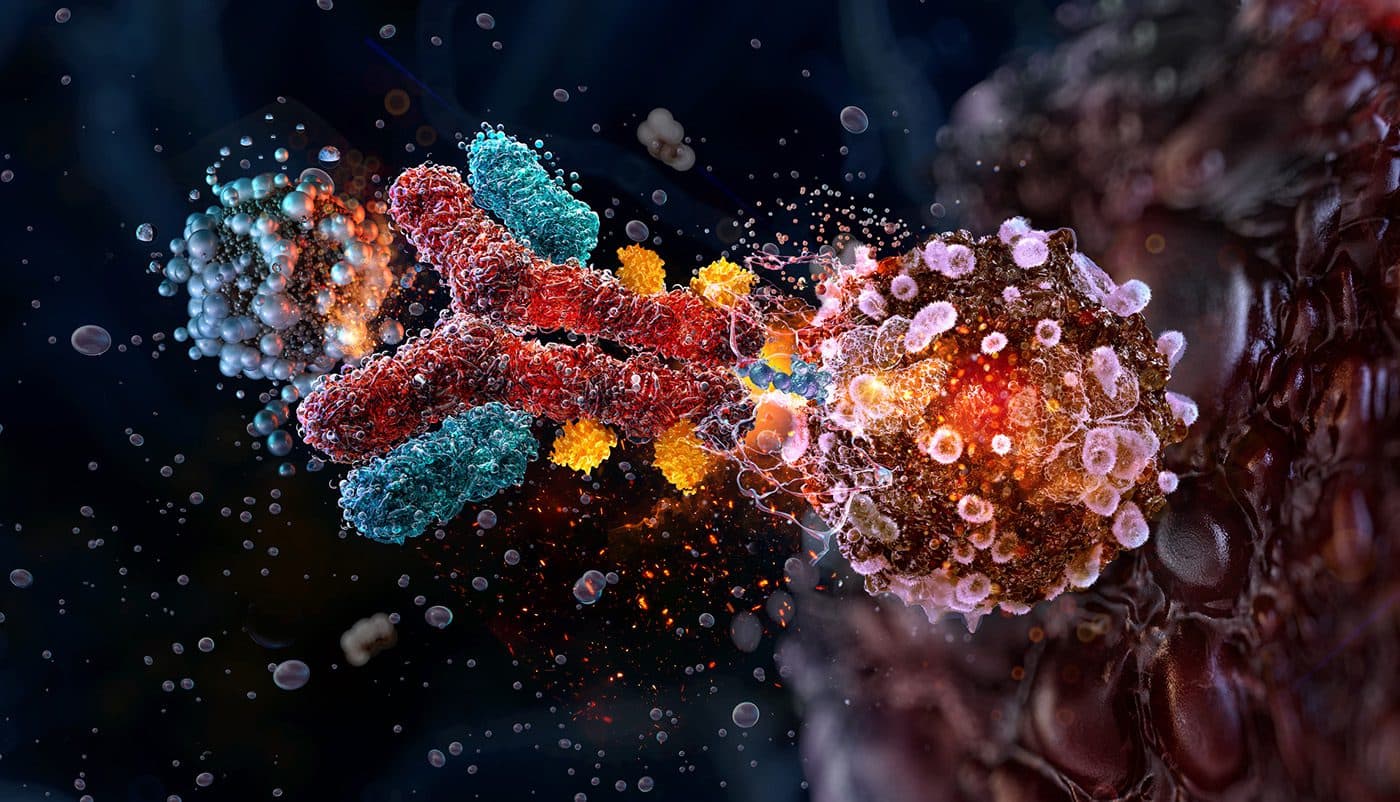
Now, an international research team led by investigators at the Icahn School of Medicine at Mount Sinai has developed the first fully human monoclonal antibody cocktail shown to provide complete protection against Nipah and Hendra virus infection—even when treatment was given after infection had begun. The findings represent an important step toward developing the first antibody-based therapy for Nipah virus and establish a promising strategy for combating emerging infectious diseases.
This work is published inScience Translational Medicine, in the paper, “A cocktail of human mAbs targeting the henipavirus fusion and receptor binding proteins provides cross-species neutralization.”
“One of the biggest challenges in developing treatments for henipaviruses is that human survivor samples are extremely rare,” said Axel Guzman-Solis, a graduate student in the Department of Microbiology at the Icahn School of Medicine. “We wanted to determine whether we could create fully human antibodies that target the virus in multiple ways at once, making it much more difficult for the virus to evolve resistance.”
The researchers used vaccinated humanized mice with the fusion protein (F) and receptor binding protein (RBP) of Nipah virus with the goal of isolating monoclonal antibodies. The investigators discovered two antibodies, 8G3 and 2A1, which targeted the RBP and F proteins, respectively, and together, could neutralize the virus and limit the potential for immune escape. Because the antibodies work through independent mechanisms, they create multiple barriers to infection and make it more difficult for the virus to develop resistance.
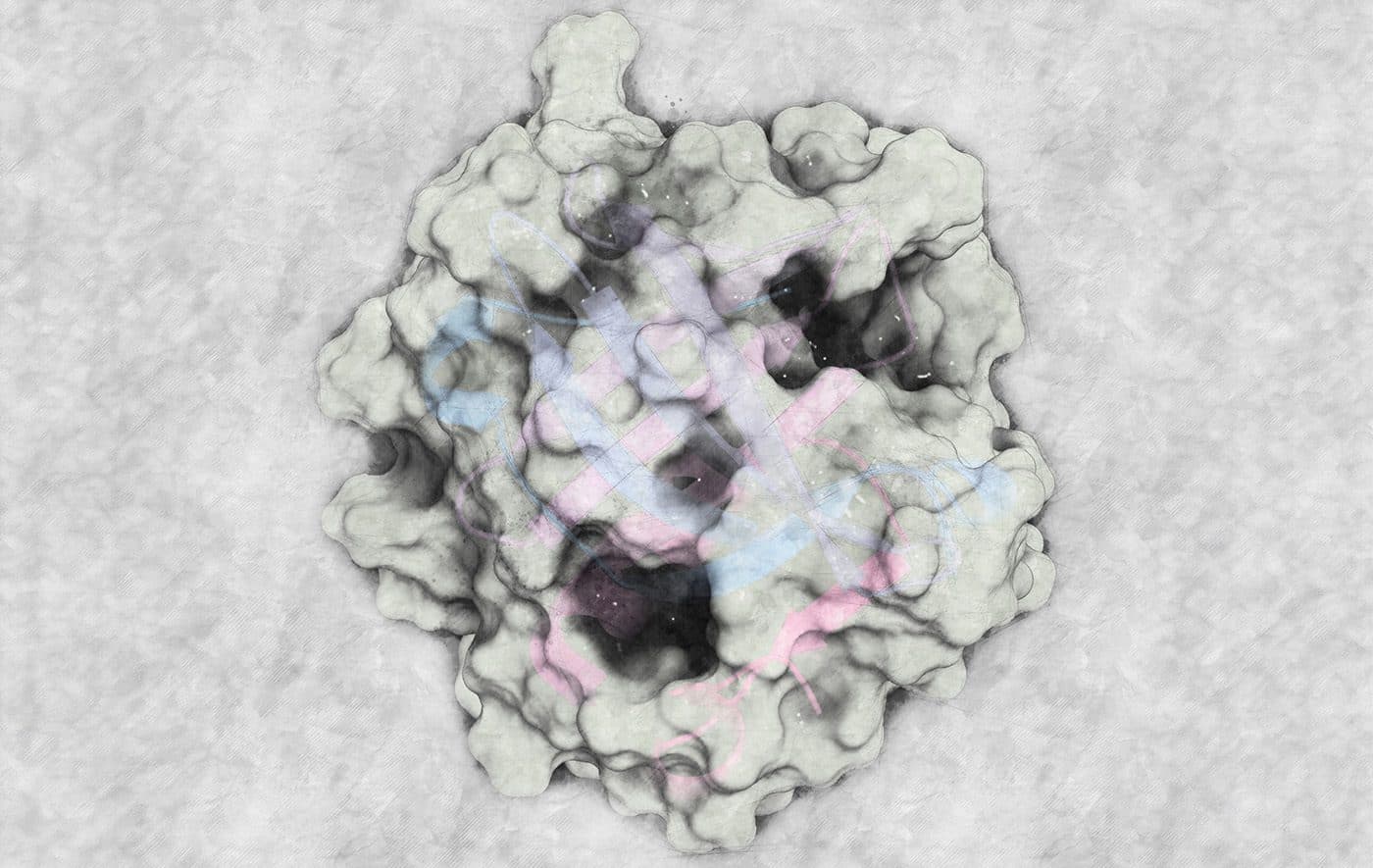
Using cryo-EM, the researchers discovered that the 2A1 antibody neutralizes the virus by stabilizing a sugar-containing structure on the viral fusion protein rather than displacing it, as scientists had anticipated. This previously unrecognized strategy may help explain the antibody’s potency and resilience against viral escape.
“We were surprised to find that the antibody essentially embraces a structure on the virus that many antibodies try to move out of the way,” said Benhur Lee, MD, chair in microbiology at the Icahn School of Medicine. “The finding suggests that stabilizing a viral protein can sometimes be just as effective—or even more effective—than disrupting it.”
When administered together, the antibody cocktail completely protected hamsters from lethal Nipah virus infection. The treatment remained effective even after infection was established, an encouraging result for a disease that progresses rapidly and carries a high fatality rate.
The findings may have broader implications for pandemic preparedness. Because many viruses rely on multiple proteins to infect cells, the researchers believe this dual-targeting strategy could be adapted for other high-priority pathogens.
“This work provides a blueprint for developing antibody therapies that are more resistant to viral evolution,” said Lee. “Rather than relying on a single target, we can attack a virus at multiple vulnerable points simultaneously.”
Next steps include studies in nonhuman primates, evaluation of long-term safety, and efforts to optimize the antibodies for clinical use. The team is also exploring next-generation antibody formats, including single molecules capable of targeting multiple viral proteins simultaneously, as well as approaches that could broaden protection against additional members of the henipavirus family.
“As zoonotic outbreaks continue to emerge around the world, there is an urgent need for therapies that can be deployed quickly against high-consequence pathogens,” said Lee. “Our long-term goal is to translate these discoveries into practical tools that help protect people during future outbreaks.”
NewsHamsterMonoclonal antibodiesMortalityNervous system diseasesRespiratory diseasesRNA virusZoonosesPrevious article
Circio’s circVec and Tcelltech’s nanoSMAR Technologies Combined to Generate NextgenIn vivoCAR-T and TCR-T CellsNext article
Intravesical CAR T-Cell Therapy Reduces Bladder Cancer Growth in Preclinical ModelAlso of Interest
CloudScope Enables Continuous Remote Monitoring of Brain Activity in Freely Moving MiceWhat 25 Years of Research Have Revealed About 9/11’s Long-Term Health EffectsPurifying Complex Therapeutics Requires Fresh ApproachesMonoclonal Antibodies Targeting MMP-9 Alleviate Peripheral Neuropathy in Diabetic MiceIncreasing CHO Cell ProductivityDesign for Commercial Scale from Day OneRelated Media
Shehnaaz Suliman, MD, MPhil, Discusses Targeted Respiratory Therapies on "Close to the Edge"Top 5ResourcesRecommended For YouPodcast
Touching Base
Touching Base is the dynamic podcast series from the editors ofGEN. Each episode features a rotating case of senior editors—including John Sterling, Kevin Davies, Julianna LeMieux, Alex Phillippidis, Uduak Thomas, Corinna Singleman, and Fay Lin—who delve into emerging stories, exchange ideas, and debate the latest trends in biotech. Additionally, they talk to some of the leading voices in the industry about what's now and next.Start listening today!
Stay up to date with the lasted episodes of Touching Base bysubscribing to theGENPodcast Newsletter