Novel Epigenetic Therapy Targets Treatment-Resistant and TP53-Mutant AML
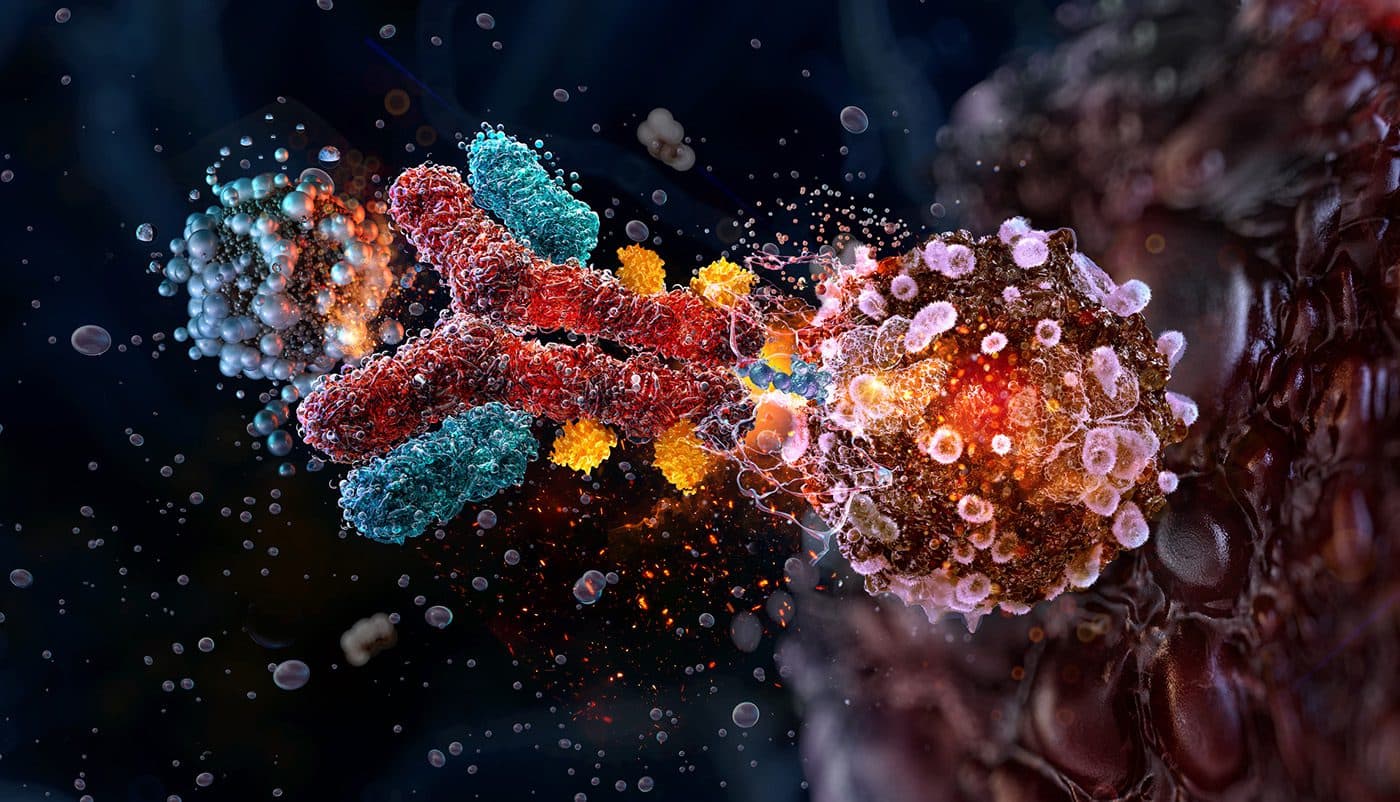
The results of a preclinical study by researchers at the University of Texas MD Anderson Cancer Center have found that an investigational epigenetic therapy called NTX-301 remained effective in treatment-resistant acute myeloid leukemia (AML) by activating the Hippo pathway, a tumor-suppressing pathway linked to cancer growth and drug resistance.
In preclinical models, the hypomethylating agent (HMA) NTX-301 was more effective than standard hypomethylating agent therapy and retained anti-leukemia activity in treatment-resistant andTP53-mutant AML. The team also found that the therapy activated the Hippo pathway through targeted epigenetic changes, revealing a previously unrecognized mechanism that may contribute to its anti-leukemia effects.
“Leukemia cells are remarkably adaptable and often find new pathways to survive after treatment,” said Michael Andreeff, MD, PhD, professor of medicine at the University of Texas MD Anderson Cancer Center and research co-lead. “These findings suggest NTX-301 may disrupt several of those survival mechanisms simultaneously while reactivating pathways that normally restrain cell growth. That dual effect could help explain why NTX-301 remained active in some of the most therapy-resistant forms of AML.”
The findings suggest a potential new strategy for patients whose disease relapses after frontline therapy, including those withTP53mutations, one of the highest-risk forms of AML. Andreeff, together with leukemia professor and study co-lead Bing Z. Carter, PhD, and colleagues, reported on their studies inClinical Cancer Research, in a paper titled “The novel hypomethylating agent NTX-301 reprograms epigenetic and Hippo signaling pathways and exhibits preclinical activity in venetoclax-resistant andTP53-mutant AML.”
First-generation hypomethylating agents, including 5-azacytidine (5-AZA) and decitabine (DAC), are used as standard clinical care for patients with AML and myeloid dysplastic syndromes (MDS), the authors wrote. Combining HMAs with the BCL-2 inhibitor venetoclax has further improved outcomes for patients.
“Hypomethylating agent (HMA) and the BCL-2 inhibitor venetoclax (VEN) combinations have evolved into frontline therapies for patients with acute myeloid leukemia (AML), yielding high response rates,” they stated. However, while such combination therapy works well initially, resistance and relapse remain common.
The challenge is particularly significant in AML with mutations in theTP53gene, which normally helps cells respond to damage and prevent uncontrolled growth. When that gene is mutated, leukemia cells can become resistant to therapy and more difficult to eliminate. “… most patients ultimately relapse, particularly those withTP53mutations,” the researchers continued.
Efforts have been made to develop improved and more effective HMAs, they noted, and NTX-301 is such a next-generation HMA. But as they pointed out, “… previous reports of NTX-301 preclinical studies in leukemia were conducted primarily in cell lines and xenograft models … its activities in therapy-resistant settings have not been investigated.” And while a Phase I study (NCT04167917) of the oral agent NTX-301in patients with AML and MDS has been completed, the team noted in their paper that the study has not yet been reported.
For their newly reported preclinical study, the researchers evaluated NTX-301 across multiple preclinical models of treatment-resistant AML, including patient-derived xenograft (PDX) models of AML with acquired resistance. Their results showed that NTX-301 therapy consistently reduced leukemia cell survival more effectively than azacitidine (AZA), a commonly used hypomethylating agent.
Importantly, NTX-301 remained active in leukemia cells that had already developed resistance to both hypomethylating therapy and venetoclax, and demonstrated anti-leukemia activity inTP53-mutant AML models. When combined with venetoclax in resistant leukemia samples, NTX-301 produced stronger anti-leukemia effects than either treatment alone. The combination was effective not only against leukemia blasts but also against leukemia stem and progenitor cells, which are believed to contribute to disease persistence and relapse.
In summary, they wrote, “Therapeutically, NTX-301 is more potent than 5-AZA in AML cells with various genetic backgrounds, is active in AML cells with acquired resistance to HMA or VEN, overexpressing VEN-resistant factors MCL-1 or BCL-2A1, and in isogenic AML cells withTP53deletions/mutationsin vitroandin vivoin xenograft models, exhibits activities against AML blasts and stem/progenitor cells from patients resistant to/relapsed from VEN-based therapies and withTP53mutationsin vitroand in vivoVEN/DAC-resistant PDX models, and enhances VEN activity.”
To understand why NTX-301 appeared more effective than existing drugs, researchers analyzed changes in DNA methylation, a process that can switch genes on or off without altering the underlying genetic code. Unlike current hypomethylating therapies, which broadly affect DNA methylation, NTX-301 focused on a more selective set of genes and pathways, including the Hippo pathway, which functions as a natural cell growth regulator.
NTX-301 increased activity of key Hippo pathway genes while reducing activity of YAP, a protein frequently linked to cancer cell survival, treatment resistance, and stemness. These findings suggest Hippo pathway reactivation may be an important reason the therapy remained effective in resistant leukemia models and could represent a new strategy for overcoming treatment resistance in AML. “Collectively, our data suggest that NTX-301 exhibits more potent anti-leukemia activities compared to current HMAs and synergizes with VEN in VEN-resistant andTP53-mutant AML and AML stem/progenitor cells,” the team concluded.
Additional studies are needed to determine whether these results translate to patients and to identify which populations may benefit most. The findings suggest that patients with relapsed AML, venetoclax-resistant disease, andTP53mutations may be important groups for future clinical evaluation. “Taken together, the numerous NTX-301 targets identified here, its novel mechanism of action, and its superior activity against VEN-resistant andTP53-mutant AML compared to 5-AZA, warrant the future clinical development,” the investigators noted. “Given the strong preclinical data inTP53-mutant AML and the unmet clinical need, this should be a primary target group in the next clinical trial.”
Carter said, “An encouraging aspect of this study is that it identified both a potential therapeutic opportunity and a biological explanation for why it may be effective. The results provide a rationale for continued clinical development and suggest that targeting Hippo signaling may help address treatment resistance in AML.”
NewsAcute myeloid leukemiaAnimal modelsChemotherapyEpigeneticsMutationPreclinical developmentPrevious article
FDA Issues Proposal to Streamline Registration for Advanced Distributed ManufacturersNext article
Honoring the Innovators Driving AI’s Next Era in Life Sciences and HealthcareAlso of Interest
Cancer Treatment Genetic Effects in Healthy Cells May Reveal Clues to Side Effects and ResistanceNRAS Mutations May Require Mutation-Guided Combination TherapiesNewBiologix and Synastra Join Forces to Advance rAAV Manufacturing for Duchenne Gene Therapy'One-Two Punch' Targets Resistance Mechanism in Aggressive Triple-Negative Breast CancerCAR T-Cell Therapy Puts Severe Rheumatoid Arthritis Into Remission in First Clinical TrialInhaled Suppressor tRNA Restores Gene Function in Cystic Fibrosis ModelsRelated Media
GEN Protocols Expert Exchanges: Patient-Derived Pancreatic Cancer Organoids Predict Response to TherapyHelen Sabzevari, PhD, of Precigen Connects Cancer and the Immune System on "Close to the Edge"Beaming Up: CEO John Evans on the Future of Base EditingGENcast: Empowering a Precision Health MovementCRISPR-Chip Checks for Mutations in MinutesTop 5ResourcesRecommended For YouPodcast
Touching Base
Touching Base is the dynamic podcast series from the editors ofGEN. Each episode features a rotating case of senior editors—including John Sterling, Kevin Davies, Julianna LeMieux, Alex Phillippidis, Uduak Thomas, Corinna Singleman, and Fay Lin—who delve into emerging stories, exchange ideas, and debate the latest trends in biotech. Additionally, they talk to some of the leading voices in the industry about what's now and next.Start listening today!
Stay up to date with the lasted episodes of Touching Base bysubscribing to theGENPodcast Newsletter