PD-L2 Blockade May Reduce Harmful Aging Cell Buildup
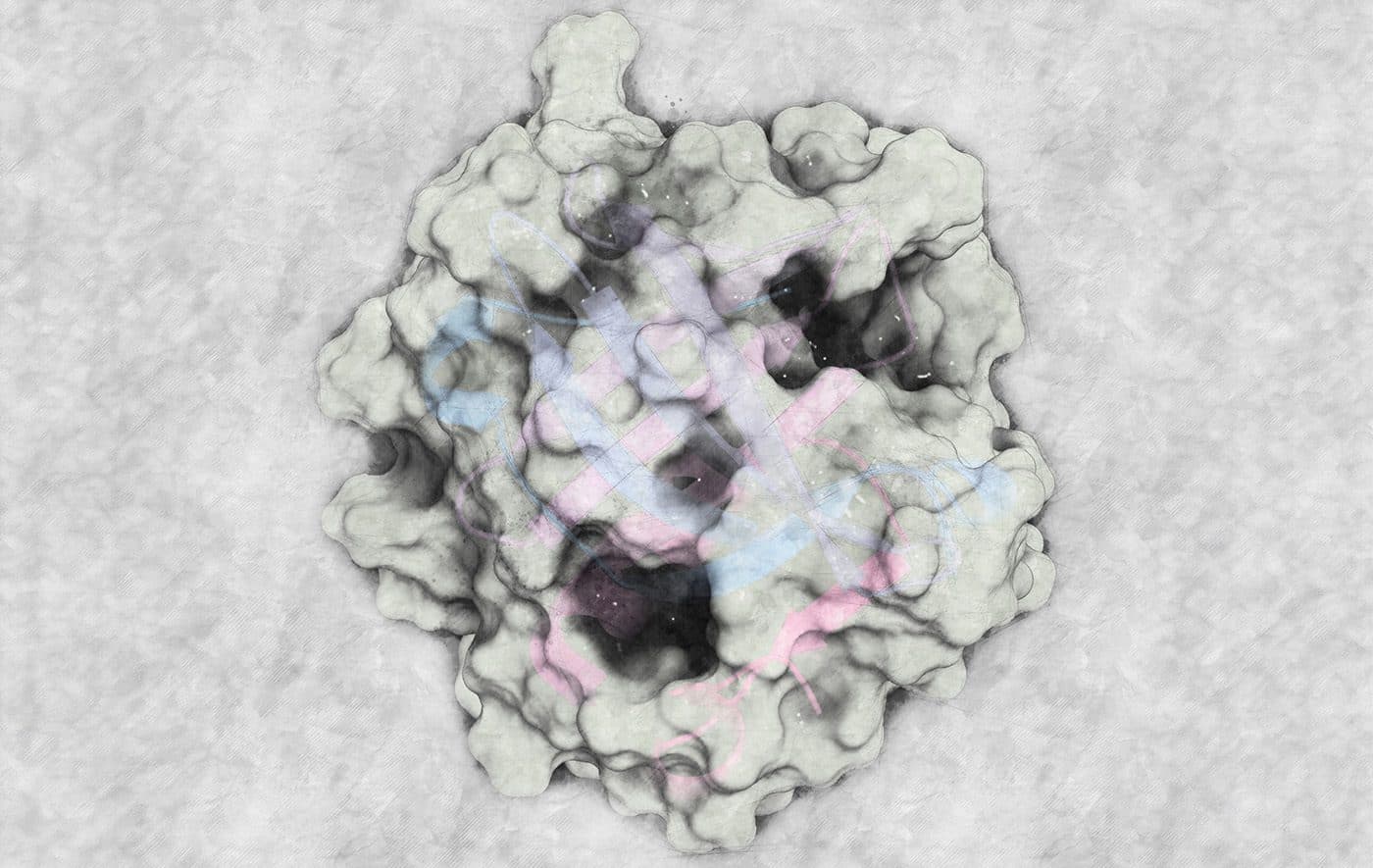
A protein better known for its role in immune checkpoint signaling may help harmful aging cells, or senescent cells, remain hidden from the immune system, allowing them to accumulate in tissues and contribute to age-related dysfunction, according to a new study from Cedars-Sinai Health Sciences University investigators.
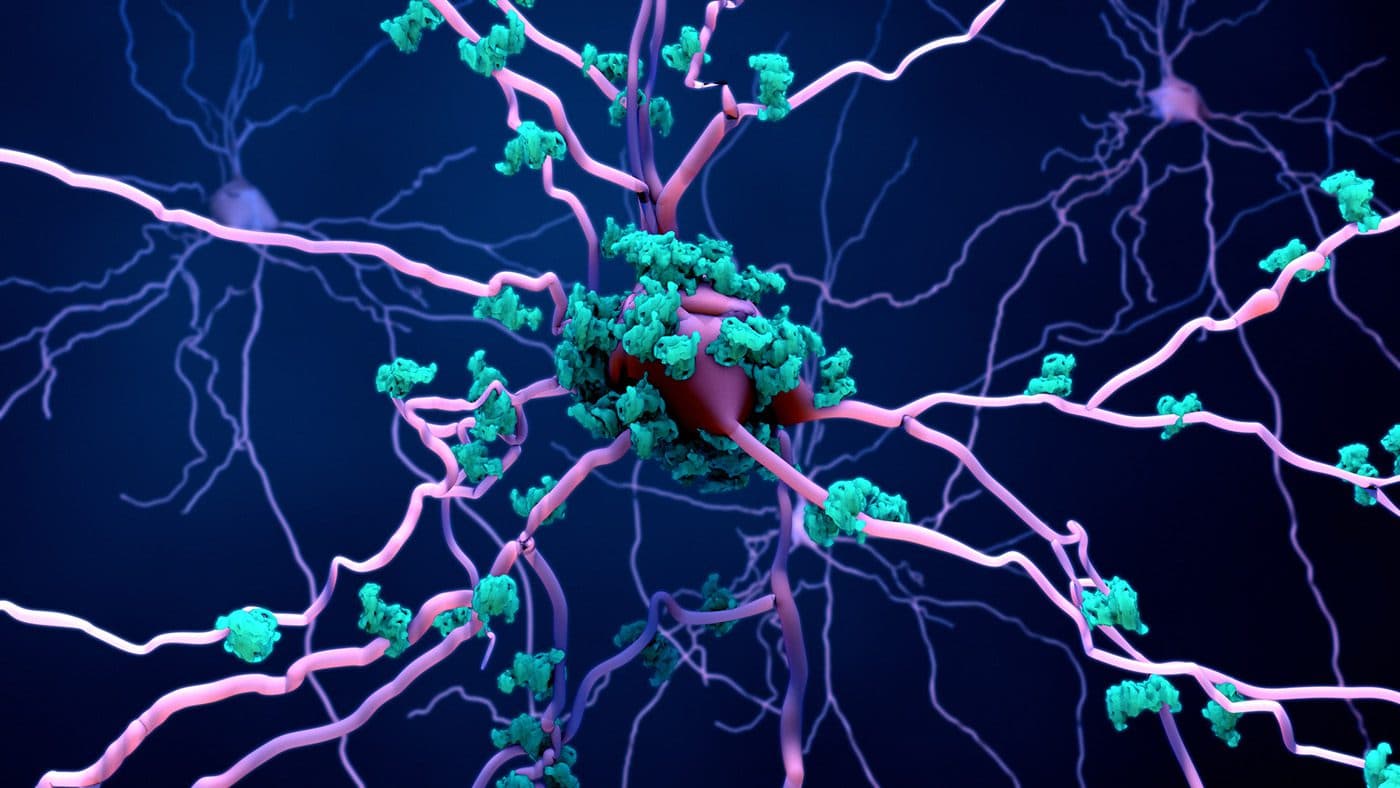
The study is titled “Blocking PD-L2 prevents senescent cell accumulation and age-related dysfunction.” The findings, published inCell Metabolism, point to programmed cell death ligand 2, or PD-L2, as a possible target for therapies designed to help clear senescent cells, as well as a potential blood marker for tracking their presence. Senescent cells are damaged cells that stop dividing but do not die. Instead, they can persist in tissues, where they release inflammatory factors and disrupt the function of nearby cells. Their buildup has been linked to metabolic dysfunction, impaired physical fitness, and other health problems associated with aging.
“Our findings suggest that PD-L2 may help aging cells stay in the body when they would normally be removed by the immune system,” said Selim Chaib, PhD, research assistant professor of medicine at Cedars-Sinai and first and co-corresponding author of the study.
Immune checkpoint proteins have been studied extensively in cancer, where they can help tumor cells escape immune attack. In the new study, the researchers examined whether a similar process might allow senescent cells to evade immune clearance during aging. They found that PD-L2 was increased in isolated senescent human cells and rose with age in some human tissues. Circulating soluble PD-L2 also increased with aging and declined after senolytic treatment in humans, according to the study’s highlights.
The team then tested the effects of removing or blocking PD-L2 in mice. Older mice lacking PD-L2 accumulated fewer senescent cells than older wild-type mice. They also showed greater insulin sensitivity and grip strength, two measures tied to metabolic function and physical fitness. In aged wild-type mice, anti-PD-L2 therapy restored insulin sensitivity and increased physical strength.
Together, the results suggest that PD-L2 may act as an immune checkpoint on senescent cells, helping them avoid removal and promoting their persistence during aging. The work also adds to the growing interest in senescence-targeted approaches, including senolytics, that aim to reduce the burden of dysfunctional cells rather than treating one age-related disease pathway at a time.
“If we can find a way to block this protein, we may be able to help the immune system get rid of these cells and potentially improve health problems linked with aging,” said James Kirkland, MD, PhD, director of the Center for Advanced Gerotherapeutics and senior author of the study.
The authors cautioned that more research is needed to determine whether blocking PD-L2 can safely produce health benefits in people.
NewsAge-related diseasesCancersCellular senescenceImmune systemMetabolic disordersProteinsPrevious article
What 25 Years of Research Have Revealed About 9/11’s Long-Term Health EffectsNext article
Cancer Treatment Genetic Effects in Healthy Cells May Reveal Clues to Side Effects and ResistanceAlso of Interest
What 25 Years of Research Have Revealed About 9/11’s Long-Term Health EffectsChronic Interferon Exposure Linked to Immunosuppression in CancerManus and UT Austin Advance Biomanufacturing Product Recovery Through BioMADE ProgramCAR T Manufacturing in Japan Gets Boost from Teijin-Shinshu University Research CollaborationManaging Misbehaving mAbs with Advanced Purification StrategiesBreaking the Wet-Lab Bottleneck in AI-Driven Antibody DiscoveryRelated Media
AACR 2026: A Video Update from San DiegoBiotech and Beignets: The News from Day One of ASGCTAACR 2025: A Video Update from ChicagoBye, Bye, Baltimore:GEN’s Takeaways from ASGCTAACR 2024: A Video Update from San DiegoImproving Protein Therapeutic Production is a Key Goal of Biopharma 4.0Top 5ResourcesRecommended For YouPodcast
Touching Base
Touching Base is the dynamic podcast series from the editors ofGEN. Each episode features a rotating case of senior editors—including John Sterling, Kevin Davies, Julianna LeMieux, Alex Phillippidis, Uduak Thomas, Corinna Singleman, and Fay Lin—who delve into emerging stories, exchange ideas, and debate the latest trends in biotech. Additionally, they talk to some of the leading voices in the industry about what's now and next.Start listening today!
Stay up to date with the lasted episodes of Touching Base bysubscribing to theGENPodcast Newsletter