Sign in
Welcome! Log into your account
Forgot your password? Get helpPrivacy PolicyPassword recovery
Recover your password
A password will be e-mailed to you.
GEN – Genetic Engineering and Biotechnology NewsHomeTopicsBioprocessingPlant Expression Platforms May Be Better Option for Biopharma in the Global...
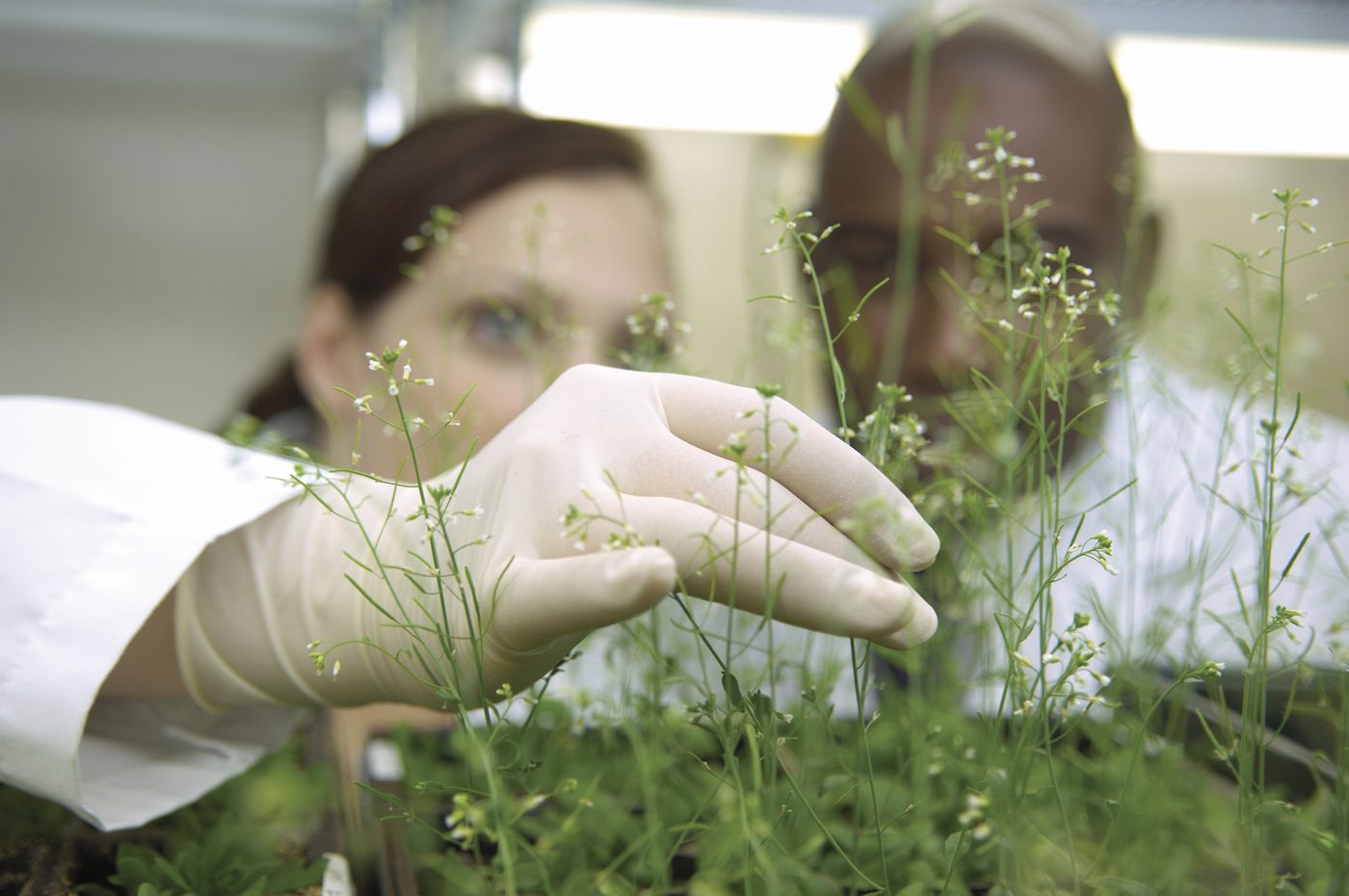
Credit: Kristopher Grunert/Corbis/VCG/ Getty Images
Mammalian cell-based manufacturing systems cannot meet the needs of the Global South, say researchers, who suggest that local production with plant-based expression platforms is a potential low-cost alternative. The researchers made their case in a recentpaper, arguing that although mammalian systems are a good option for countries where centralized production facilities can be established, they are less suited to resource-limited regions.
“Mammalian cell lines, particularly Chinese hamster ovary cells, are the industry standard for producing complex biologics that require human-like PTMs [post-translational modifications], offering high-quality mAbs and vaccines with established regulatory approvals for pandemic applications.
“However, their high operational costs, slow doubling times, susceptibility to viral contamination, and dependence on expensive media significantly limit global equity and accessibility, particularly in resource-constrained settings such as the Global South,” the authors write.
Plant-based expression
Overcoming these constraints and increasing access to medicines in the Global South, will require the establishment of local production capacity that is both economically and environmentally sustainable, the authors say, citing plant-based systems as a potential option.
“Plants are increasingly used as platforms for producing vital biological molecules, such as pharmaceuticals and industrial biomaterials, through advanced strategies, including genetic engineering, process automation, and precision agriculture.”
The authors point to things like the Gaucher’s disease drug, Elelyso, the Ebola treatment, ZMapp, and the COVID-19 vaccine, Covifenz, as examples of current plant-made biopharmaceutical products.
And the potential advantages are significant. For one thing, plant-based systems are generally faster to produce protein and more easily scalable than mammalian platforms, according to the authors.
“Plant-based expression systems, particularly seed-based platforms such as rice, wheat, tobacco, sorghum, etc., offer scalable, field-level production regarded as safe status, low-cost PTMs, and exceptional environmental advantages.
“These systems enable decentralized, long-term stable storage of biologics and the production of animal-free, glycosylated therapeutics, significantly enhancing health security in resource-limited settings,” they write.
And the utility of plant-based expression systems is being further enhanced by new genetic modification techniques. The authors cite AI-driven genomic optimization and glyco-engineering as examples of how such systems are being improved.
“Drought-tolerant plant platforms can significantly enhance local production capacity in developing economies, addressing critical barriers such as limited investment, infrastructure constraints, and regulatory hurdles.”
Seeds not cells
Plant-based systems can also help biopharma address one of the major challenges of working in the global south—the need for extensive cold chain logistics infrastructure.
Mammalian cells are sensitive to environmental conditions and, as a result, manufacturers use temperature-controlled environments to prevent damage. These concerns are less of an issue for plant-based systems produced from seeds.
“Seed-based platforms offer a strategic advantage by enabling ambient-temperature storage of recombinant proteins for extended periods without loss of bioactivity. This capability significantly reduces cold-chain dependency and enhances logistical resilience in resource-limited settings.
“Consequently,” the authors continue, “plant-based expression systems represent a premier, cost-effective pathway for the large-scale production of biologics.”
InsightsAntiviral agentsBiological drug productBiomanufacturingBiopharmaceuticalsCOVID-19 vaccineGenetic diseasesGenetic engineeringPlant biotechnologyCovifenzElelysoZMappAlso of Interest
Manus and UT Austin Advance Biomanufacturing Product Recovery Through BioMADE ProgramSmarter Cell Culture Starts with Better MediaTop 10 Contract Development and Manufacturing Organizations 2026AI Accelerates Biomanufacturing from Discovery to TranslationGene Therapy Extends Lifespan and Reduces Symptoms in Sandhoff Disease Cat ModelIncreasing CHO Cell ProductivityRelated Media
Reporting Live from JPM 2026: Alex Philippidis and Jonathan Grinstein, PhDAI in Protein Design: Hype vs. Reality Explained by David BakerFrom Functional Genomics to Cell Therapy: The Role of CRISPR-Based Gene EditingCas-CLOVER: An Advanced Gene Editing Technology Capable of Meeting Crop Improvement ChallengesWhat’s in Store for 2024? Three CEOs Look Ahead and Look Back on “Close to the Edge”Nobel Winner Katalin Karikó Shared mRNA Vaccine Story withGEN, Mid-PandemicTop 5ResourcesRecommended For YouPodcast
Touching Base
Touching Base is the dynamic podcast series from the editors ofGEN. Each episode features a rotating case of senior editors—including John Sterling, Kevin Davies, Julianna LeMieux, Alex Phillippidis, Uduak Thomas, Corinna Singleman, and Fay Lin—who delve into emerging stories, exchange ideas, and debate the latest trends in biotech. Additionally, they talk to some of the leading voices in the industry about what's now and next.Start listening today!
Stay up to date with the lasted episodes of Touching Base bysubscribing to theGENPodcast Newsletter
Copyright © 2026 Sage Publications or its affiliates, licensors, or contributors. All rights reserved, including those for text and data mining and training of large language models, artificial intelligence technologies, or similar technologies.
MORE STORIES