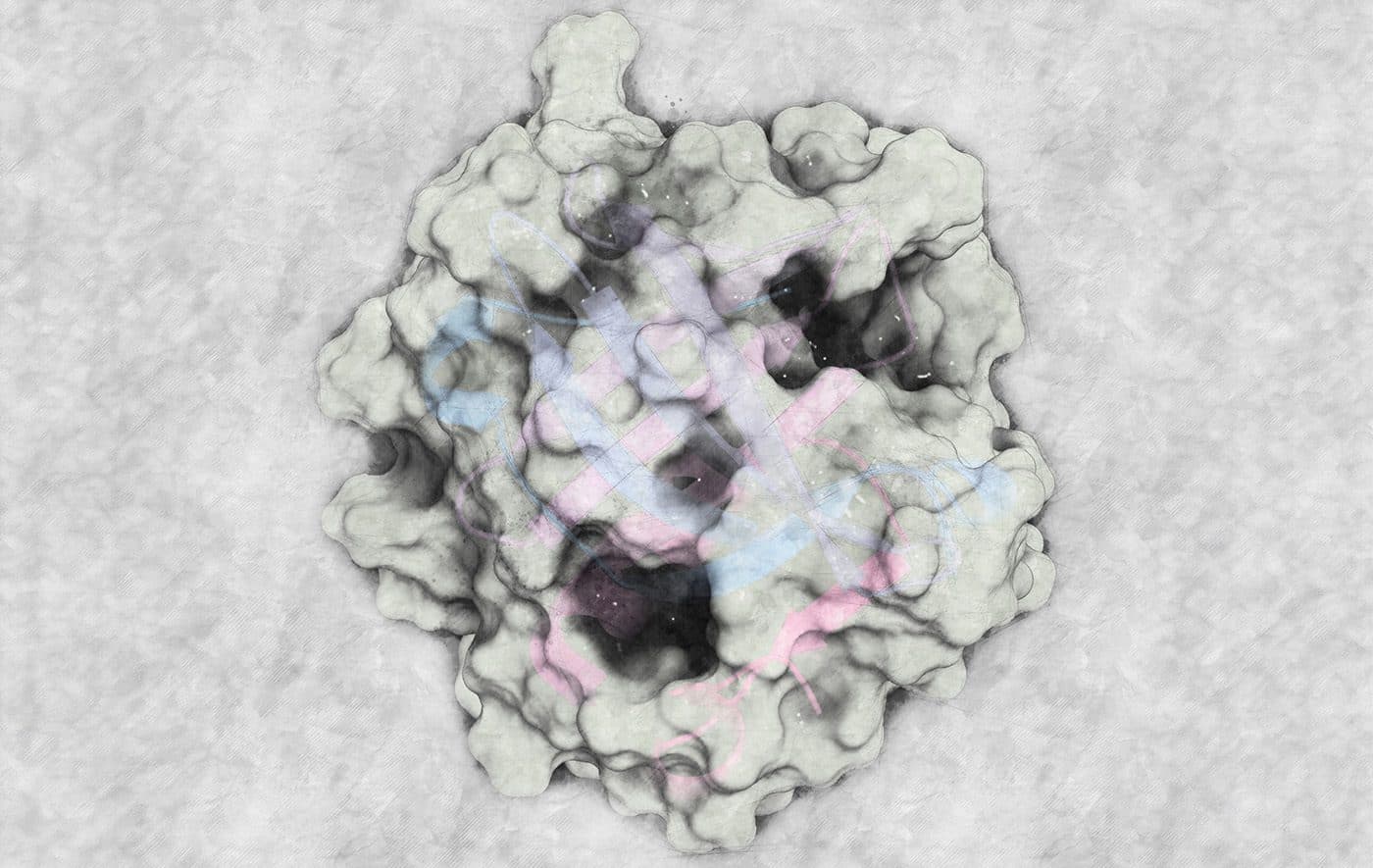
Pneumococcal Subtypes Influence the Impact of Air Pollution on Disease Risk
Streptococcus pneumoniaeis a member of the respiratory microbiome and can be found in almost 20 percent of adults globally. While many adults and children carry the bacteria without symptoms, the bacterium can lead to invasive pneumococcal disease (IPD) which includes bacterial sepsis, pneumonia, and meningitis.
There are currently over 100 different serotypes ofS. pneumoniae. While it is known that different subtypes ofS. pneumoniaecan lead to varying infection rates in different populations, important gaps remain in our collective understanding of how things such as humidity, temperature, and air pollution impact the timing of disease, and how risks vary by individual age and bacterial subtype.
Now, researchers suggest that the subtype ofS. pneumoniae, together with air pollution exposure, impacts the rate and timing of invasive disease—with some strains linked to immediate infection after air pollution exposure, and others taking several weeks. The findings also suggest that older adults and young children are more vulnerable during periods of high air pollution, and that improving air quality could lower disease risk. Understanding what type of bacterial strains are circulating, and how environmental factors shape infection rates, could inform future public health policies, protect those most at risk, and prepare hospitals for outbreaks.
The work is published inNature Microbiologyin the paper, “Pneumococcal population structure influences the effects of air pollution on invasive disease risk in South Africa.”
“While we found that temperature and air pollution generally increase the risk of invasive pneumococcal diseases, such as bacterial meningitis, our research also suggests that it is the bacterial subtypes a person is carrying that modulate infection rates,” notes Sophie Belman, PhD, previously at the Wellcome Sanger Institute and Barcelona Supercomputing Center, and currently an assistant professor at Yale School of Public Health. “The strain of bacteria impacts the timing of disease and who might be more at risk depending on their respiratory microbiome, meaning that the risk is not the same in every situation or for every person. By extending our findings to other parts of the globe, we will better understand who has the highest health risk from environmental exposures, and what factors need to be addressed in different regions, such as improving air quality in cities.”
This new study examined roughly 59,000 cases of IPD across 19 years from South Africa’s national GERMS-SA surveillance program. In South Africa, between 40-60 per cent of children carryS. pneumoniae. The researchers found that different subtypes ofS. pneumoniaeresponded differently to higher air pollution exposure, noting three subtypes (14, 19A, and 8) were linked to the greatest risk of IPD following exposure.
Additionally, they found that different subtypes were linked to differences in the timing of disease risk. While the highest risk of IPD peaked roughly two weeks after air pollution exposure, in areas where subtypes 4, 8, 23F, and 19F were common, there was an immediate increase in disease risk, occurring within the same week.
The team accounted for other factors including temperature, humidity, and population density to ensure that the effects were measured as accurately as possible. They also noted that high temperatures were associated with an immediate increase in disease risk, and cold temperatures led to a delayed rise in cases. The team suggests that cold weather slows bacterial transmission or that damage from seasonal viruses could make it easier for bacterial infections to follow.
The authors suggest that integrating environmental monitoring with genomic surveillance ofS. pneumoniaecould help predict infection spikes, inform vaccination strategies, and support healthcare providers prepare during periods of poor air quality. The study also provides further evidence that reducing air pollution may yield important benefits for infectious disease prevention, particularly in areas with high levels of exposure, such as cities.
NewsPrevious article
Why Does a Particular Genetic Variant Lead to Accelerated Huntington Disease Development?Next article
Evonik Expands in SlovakiaTop 5ResourcesRecommended For YouPodcast
Touching Base
Touching Base is the dynamic podcast series from the editors ofGEN. Each episode features a rotating case of senior editors—including John Sterling, Kevin Davies, Julianna LeMieux, Alex Phillippidis, Uduak Thomas, Corinna Singleman, and Fay Lin—who delve into emerging stories, exchange ideas, and debate the latest trends in biotech. Additionally, they talk to some of the leading voices in the industry about what's now and next.Start listening today!
Stay up to date with the lasted episodes of Touching Base bysubscribing to theGENPodcast Newsletter