Sign in
Welcome! Log into your account
Forgot your password? Get helpPrivacy PolicyPassword recovery
Recover your password
A password will be e-mailed to you.
GEN – Genetic Engineering and Biotechnology NewsHomeTopicsBioprocessingPurifying Complex Therapeutics Requires Fresh Approaches
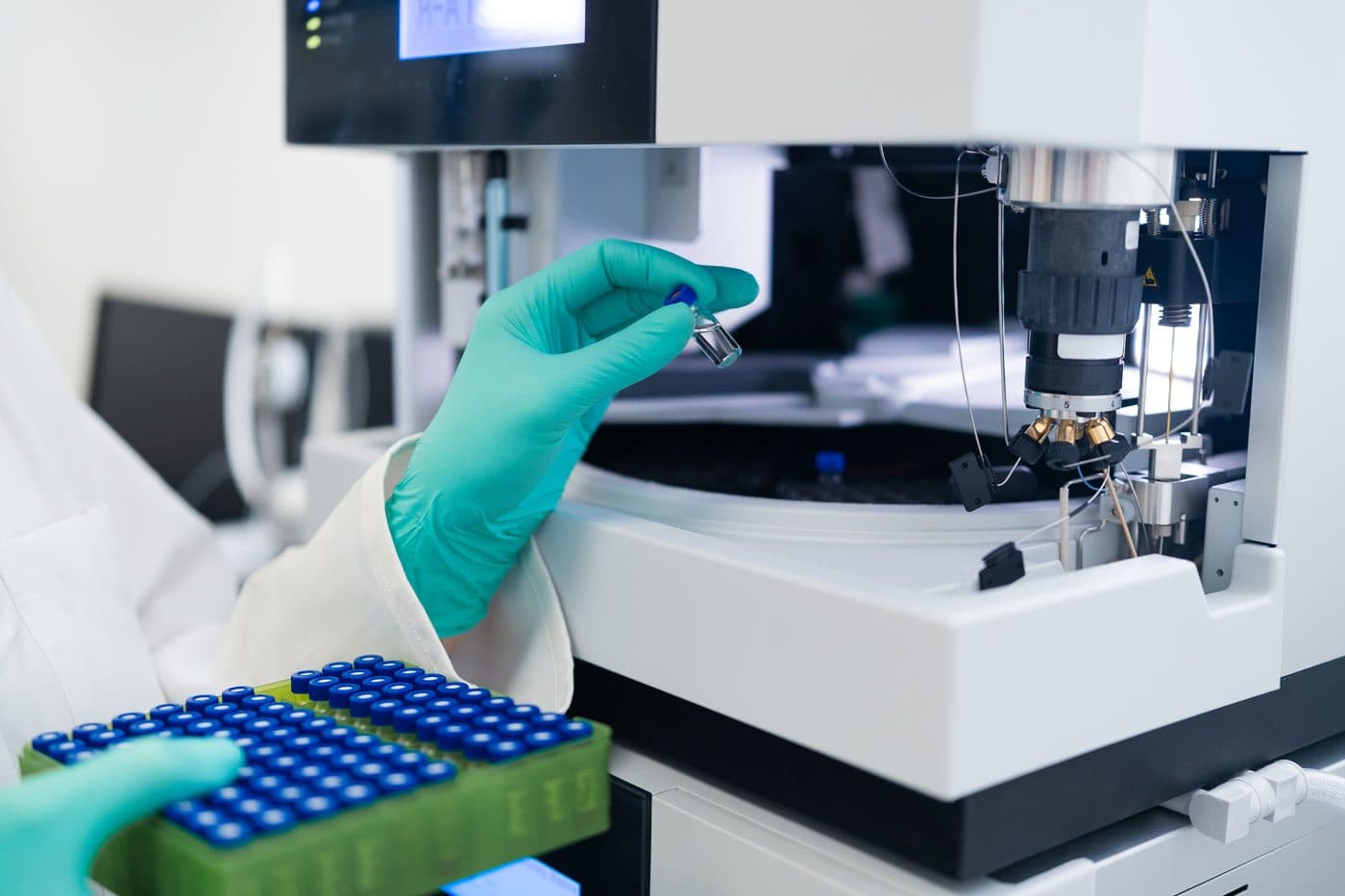
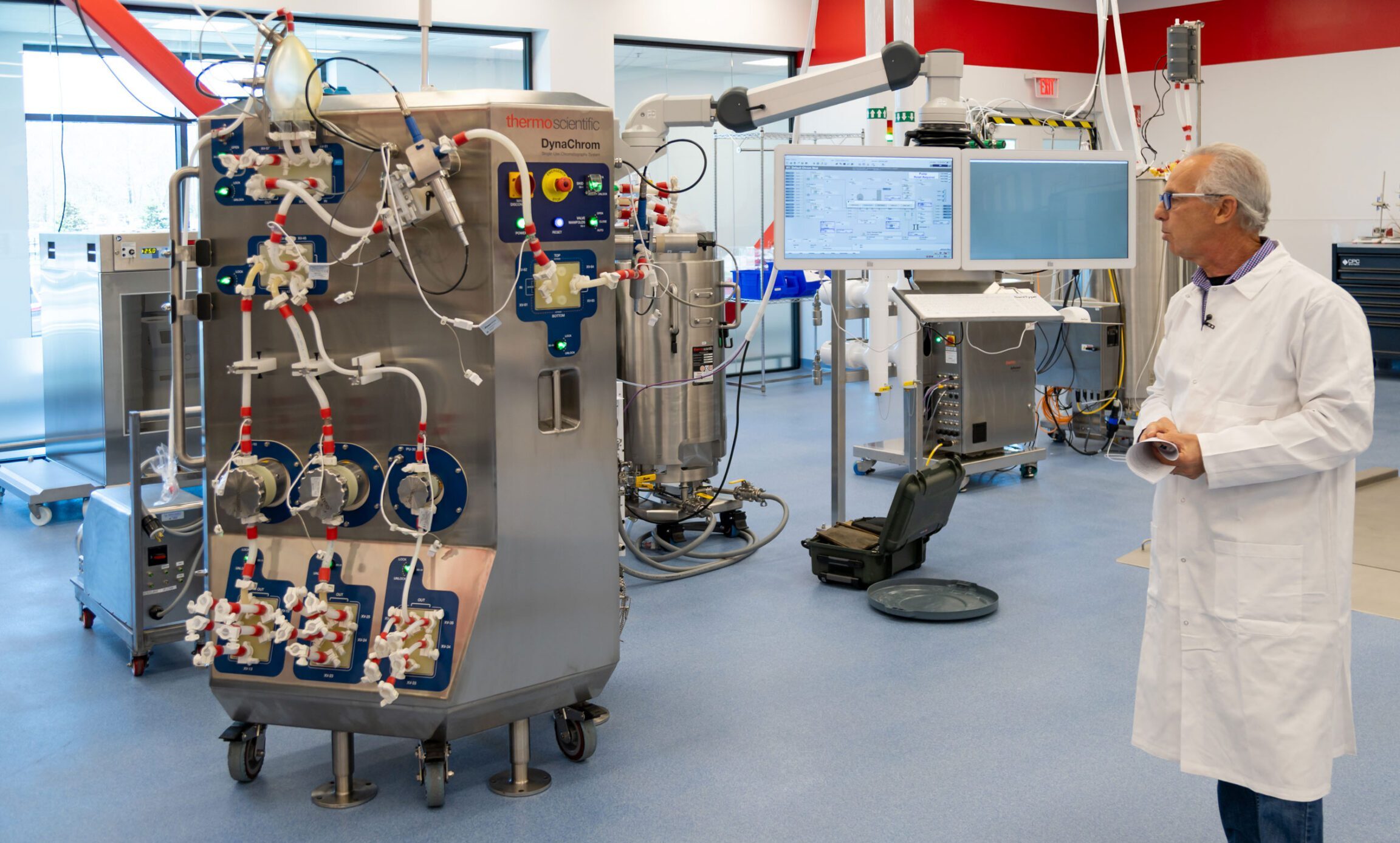
Advancing biomolecule purification workflows from pilot studies to full-scale production requires sophisticated separation techniques. Shown is Thermo Fisher Scientific’s DynaChromTM single-use chromatography system. [Thermo Fisher Scientific]
Complex therapeutics are putting new pressure on downstream purification. For example, bispecific antibodies, oligonucleotide medicines, and AAV-based gene therapies each bring distinct product-related impurities, analytical challenges, and scale-up constraints. Yet across modalities, the goal is the same: purification processes that can deliver quality, efficiency, and control as programs move toward GMP manufacturing. Industry scientists say progress is coming not only from new technologies, but also from more strategic use of established tools, real-time process monitoring, orthogonal separations, and chromatography formats designed for large, heterogeneous products.
Fresh look at existing tools
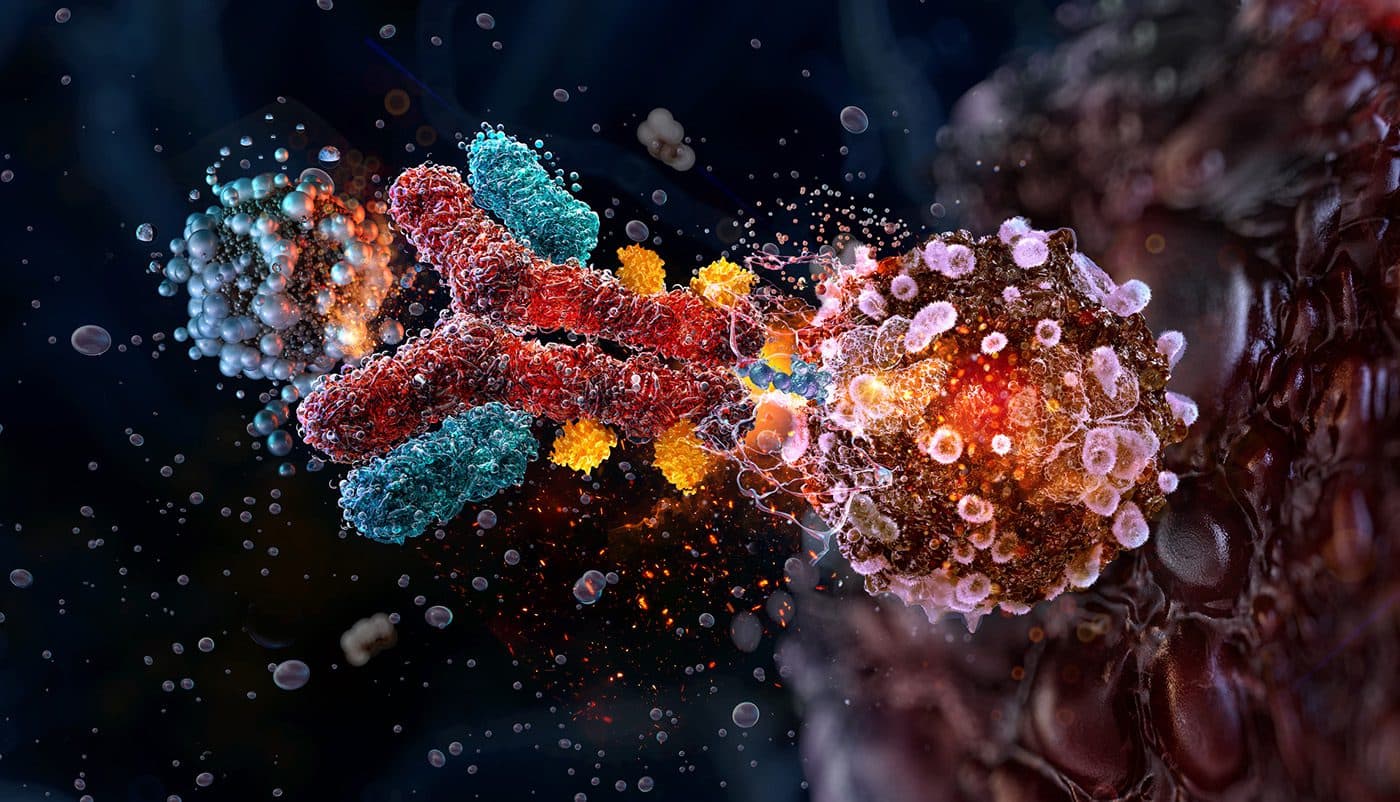
Therapeutic antibodies precisely target disease-associated molecules while largely sparing healthy tissues, making them a cornerstone of modern medicine. Among the fastest-growing formats are bispecific antibodies (BsAbs), engineered to recognize two targets instead of one. According to Joshua Orchard, field applications scientist, Thermo Fisher Scientific, this dual targeting allows BsAbs to recruit immune cells with greater precision, improve target specificity, and engage multiple signaling pathways simultaneously, enabling therapeutic mechanisms beyond those of conventional monoclonal antibodies.
Field Applications Scientist
Thermo Fisher Scientific
That added complexity, however, also complicates downstream purification. Orchard says, “I believe the most challenging aspect of bispecific purification is being able to differentiate the target heterodimer from other homo- or heterodimeric species. These product-related species also contribute to substantial analytical challenges.”
One often overlooked opportunity, Orchard notes, is that existing process-improvement tools are frequently overlooked. He asserts, “These molecules can’t talk, so we rely on analytical data to tell us about behavior. One of the examples, published by Hall et al.1in theJournal of Chromatography B, leveraged a weak cation exchange (CEX) HPLC method to quantitate the target heterodimer with a unique diabody. Translating that analytical approach to preparative purification resulted in a scalable step leveraging Thermo Fisher’s POROS HS CEX resin, which has been a staple resin for decades. These alternative views on the existing tools can provide solutions that can often be dismissed.”
Orchard also advocates incorporating traditional partition coefficient (Kp) screens early in process development. These provide a systematic and high-throughput measurement of an antibody’s binding affinity to a chromatographic resin under varying conditions. Orchard indicates, “For complex molecules such as BsAbs, typical design of experiments approaches can consume valuable source material and time while providing limited insight early in development where screening approaches can better inform process development. A simple Kp screen can open a wider window on behavior in short order rather than focusing on characterization alone. This is not a new approach but is a fresh view on a robust technique.”
Raman spectroscopy for PAT
Process analytical technology (PAT) refers to a regulatory framework emphasizing the design, analysis, and control of manufacturing processes through real-time measurements. The idea is to continuously monitor variables instead of relying solely on final product testing. “PAT automation and control are more established in upstream biologics processes, but the underlying concept already exists in purification, where pH, conductivity, and UV sensors are routinely used as PAT tools,” says Christina Passno, senior staff engineer (early-stage purification group lead), preclinical manufacturing process development (PMPD), Regeneron Pharmaceuticals.
Senior Staff Engineer
Regeneron Pharmaceuticals
Passno reports that Raman spectroscopy is an important PAT tool, particularly since it is a sensitive, non-destructive technique. She elaborates, “Raman spectroscopy uses a laser at a desired wavelength to probe the vibrational fingerprints of a molecule. During protein purification operations, spectral data is collected and used to build chemometric models that can inform process performance.”
According to Passno, this is especially valuable during the ultrafiltration/diafiltration (UF/DF) phase, which is critical for buffer exchange and protein concentration before bulk drug product formulation. “As UF/DF is the final purification stage supporting product quality, implementing Raman spectroscopy enables real-time, in-line monitoring of critical quality attributes including protein concentration.”
Raman spectroscopy can also be applied to downstream processing. Passno relates, “In GMP, real-time monitoring can help teams process closer to the target protein concentration with less safety margin and fewer deviations, including pressure alarms associated with viscosity posed by high-concentration UF/DF processes, which can push equipment limits. This advancement supports increased operational efficiency, consistency, and productivity by reducing reliance on time-intensive offline testing and accelerating decision-making from process development to GMP production.”
Passno predicts that Raman spectroscopy and other PAT strategies will play an increasingly important role in streamlining process development and strengthening GMP manufacturing. “These tools will be important as the industry looks to accelerate timelines to the clinic, where real-time data are essential for informed decision-making. Ultimately, PAT provides greater process visibility and control across manufacturing operations.”
2D oligonucleotide purification
Therapeutic oligonucleotides modulate gene expression or protein function and are being developed to treat a host of diseases. These drugs consist of short, synthetic chains of nucleic acids (both DNA and RNA) and include antisense oligonucleotides, small interfering RNAs, and guide RNAs (gRNAs). Unlike traditional drugs that target proteins, oligonucleotide therapeutics act at the genetic or RNA level, allowing precise intervention and enabling previously ‘undruggable’ conditions.
R&D Director
Agilent Advanced Therapeutics
Achieving regulatory-grade purity on longer oligonucleotides at preparative scales can be daunting. “As oligonucleotides become longer and more highly modified, even with coupling efficiencies above 99%, crude purity for long single-guide RNAs (sgRNAs) can fall below 40% for a 100-mer,” reports Kaizhang (Kai) He, PhD, R&D director, process chemistry and development, Agilent Advanced Therapeutics. He says this is a particular challenge because “recent FDA/CBER guidance emphasizes full-length product purity targets of at least 80%.”
To address this issue, Agilent scientists utilize an enhanced 2D purification strategy for manufacturing therapeutic oligonucleotides. He explains, “Agilent developed an orthogonal purification strategy that combines strong anion exchange (AX) and ion-pair reverse-phase (IPRP) chromatography. AX separates molecules based primarily on charge, while IPRP provides an orthogonal separation based on hydrophobic interactions and sequence composition. Impurities unresolved by one method can be separated by the other.”
According to He, this AX-IPRP approach provides additional purification margins for long and complex oligonucleotides and helps achieve higher purity while maintaining high product recovery. He also notes that as oligonucleotide therapeutics continue to expand into larger patient populations and more diverse indications, manufacturing technologies will need to support greater scales, improved economics, and increasing molecular complexity. “Emerging approaches such as enzymatic ligation are gaining significant interest to improve scalability and reduce manufacturing costs. As these technologies mature and become more widely adopted, purification and analytical strategies will need to evolve accordingly to maintain high standards of quality and regulatory compliance.”
Monoliths for AAV purification
Head of Product-Application Area (AAV), Sartorius
Adeno-associated virus (AAV) gene therapies continue gaining momentum, with more than 200 pipeline drug development programs and eight approved products2. However, significant hurdles persist. “One of the major remaining challenges in AAV therapeutics is the reduction of AAV-mediated toxicity,” indicates Rok Žigon, head of product-application area (AAV), process development pc3 at Sartorius. Žigon continues, “In recent years, efforts have largely focused on engineering novel viral capsids to achieve targeted tropism and selectively infect desired cell types. A key downside of this approach, however, is that traditional affinity-capture strategies often perform poorly with such novel, chimeric, or highly engineered capsids.”
Typically, AAV purification begins with crude lysates that contain not only the full capsids (with therapeutic DNA), but also a heterogeneous mix of impurities such as host cell proteins, DNA, and empty and partially filled capsids. To help solve this bottleneck, scientists are employing monolithic chromatography (CIM) that features interconnected channels supporting convective flow rather than problematic diffusive flow. In contrast, traditional particle-based resins can suffer from low binding capacity, slow flow rates, and poor large molecule resolution. CIM enables high-capacity, rapid, and scalable capture of full capsids while efficiently removing impurities.
Žigon elaborates, “In Sartorius, we offer anion-exchange chromatography monoliths for both capture and enrichment of AAV that are serotype-agnostic. CIMmultus SO3 enables robust capture, while CIMmultus QA HR supports a high-resolution enrichment (polishing) step. Both bind and elute all tested wild-type serotypes, as well as engineered AAV variants, and support high productivity with fast flow rates (up to 16 CV/min at process development scale and up to 1 CV/min at manufacturing scale). In addition, they provide high capacities (exceeding 1E+14 viral particles/mL for both capture and polishing) and are reusable, supporting column cycling after cleaning with 1 M NaOH.” CV refers to column volume, a measure of volumetric flow rates.
As the field of AAV gene therapy continues to mature, Žigon believes it will continue to improve productivity and reduce costs. “Preliminary approaches are already under development by multiple groups, including Sartorius, focusing on the transition to stable cell lines operated in perfusion bioreactors and integrated with continuous downstream processing.”
References
- Hall T, Wilson JJ, Brownlee TJ, et al.Alkaline cation-exchange chromatography for the reduction of aggregate and a mis-formed disulfide variant in a bispecific antibody purification process.J Chromatog B2015; 975:1–8.
- Žigon R, Prebil SD, Svigelj T, et al.Optimization and scale up strategies for reproducible AAV enrichment step on CIMmultus®QA HR line.Gene Ther2026; 33:296–309.
Also of Interest
Manus and UT Austin Advance Biomanufacturing Product Recovery Through BioMADE Program10 CDMO Up & Comers 2026Harnessing Real-Time DataAI Accelerates Biomanufacturing from Discovery to TranslationMonoclonal Antibodies Targeting MMP-9 Alleviate Peripheral Neuropathy in Diabetic MiceIncreasing CHO Cell ProductivityRelated Media
Boston's Bioprocessing Buzz:GENReports Live from BPI 2025Addressing Barriers in Gene TherapyBoston and Bioprocessing: GEN Reports Live from the First Day at BPIBIO CEO Rachel King Outlines Industry's Challenges on "Close to the Edge"Resins Address Downstream Purification ConcernsMaterials Sourcing: Precautions and Improvements for Cell and Gene TherapiesTop 5ResourcesRecommended For YouPodcast
Touching Base
Touching Base is the dynamic podcast series from the editors ofGEN. Each episode features a rotating case of senior editors—including John Sterling, Kevin Davies, Julianna LeMieux, Alex Phillippidis, Uduak Thomas, Corinna Singleman, and Fay Lin—who delve into emerging stories, exchange ideas, and debate the latest trends in biotech. Additionally, they talk to some of the leading voices in the industry about what's now and next.Start listening today!
Stay up to date with the lasted episodes of Touching Base bysubscribing to theGENPodcast Newsletter
Copyright © 2026 Sage Publications or its affiliates, licensors, or contributors. All rights reserved, including those for text and data mining and training of large language models, artificial intelligence technologies, or similar technologies.
MORE STORIES