Sign in
Welcome! Log into your account
Forgot your password? Get helpPrivacy PolicyPassword recovery
Recover your password
A password will be e-mailed to you.
GEN – Genetic Engineering and Biotechnology NewsHomeTopicsInfectious DiseasesRepeated Cytokine Signaling Required to Sustain Macrophage Immune Memory
Source: Marcin Klapczynski/Getty Images
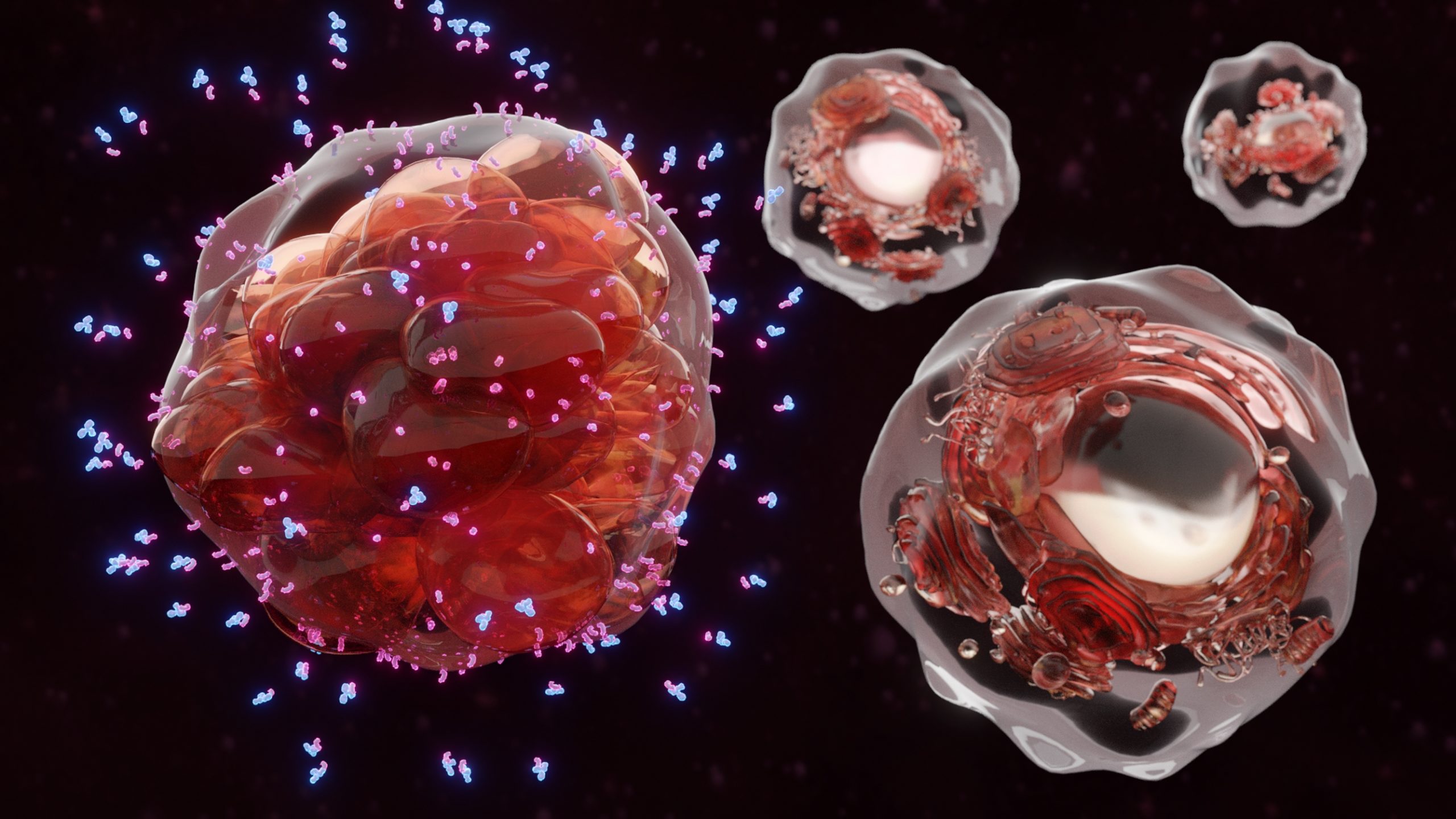
Macrophages remain ready to fight infection thanks to signaling molecules left behind by previous infections. That is according to new research from scientists at the University of California, Los Angeles. The study, published this week in theJournal of Experimental Medicine, sheds new light on how the immune system retains memories of previous infections. It also suggests new ways to reduce the activity of misprogrammed macrophages that contribute to autoimmune diseases such as lupus and arthritis.
The paper is titled “IFNγ-induced memory in human macrophages is sustained by the durability of cytokine signaling itself.” In it, the scientists write that their findings suggest that “epigenetic changes in macrophages do not inherently encode innate immune memory or a ‘potentiated’ macrophage state, but in fact are themselves dependent on ongoing signaling from cytokines” captured “on or near the cell surface.” Furthermore, their findings align within vivomouse studies “demonstrating that blockade of IFNγ signaling is sufficient to reverse BCG-induced trained immunity” though “it remains to be seen whether this observation extends to other cytokines or pathogen-associated/damage-associated molecular patterns (PAMPs/DAMPs) that can also induce innate immune memory,” they wrote.
As members of the innate immune system, macrophages are responsible for patrolling tissue and identifying potential threats such as invading microbes or cancerous cells. Once found, macrophages can engulf and kill these threats as well as signal other immune cells for help. In recent years, researchers have found that macrophages retain memories of these encounters which lets them mount a stronger response if the threat reoccurs.
During the initial immune response, the signaling molecule interferon gamma (IFNγ), prompts macrophages to unwrap sections of their DNA to form specialized enhancer domains that promote gene activity. These newly-formed domains leave hundreds of immune response genes ready to be activated when needed. What remained unclear till now is how macrophages maintain this memory for long periods post exposure.
That is the question that the current study aimed to answer. According to the findings reported in the paper, human macrophages that were temporarily exposed toIFNγformed thousands of new enhancers that persist for many days. Additionally, small amounts ofIFNγremain stuck to the macrophages and their immediate surroundings even after most of the signaling molecule was removed. Furthermore, the scientists found that signals from residualIFNγwere necessary for maintaining macrophage memory. When the scientists inhibited the persistentIFNγsignals using a neutralizing antibody or JAK inhibitor, the macrophages removed their enhancers and reduced their response to bacterial molecules.
“We suggest that acute immune activity within a tissue in response to infection or injury may ‘stain’ the tissue with cytokines and that ongoing signaling from these molecules contributes to lasting changes in tissue resident macrophages,” said Aleksandr Gorin, MD, PhD, lead author on the study and an infectious disease physician and postdoctoral researcher in the laboratory of Alexander Hoffmann, PhD, the senior author on the study.
Also, “our observation that theIFNγ-induced memory state is pharmacologically reversible raises the possibility that at least some trained immune states can be pharmacologically erased or modified by blocking cytokine signaling pathways,” Hoffmann said. Therapies that target macrophage memory in this way could help treat autoimmune diseases such as lupus, rheumatoid arthritis, or type 1 diabetes.
NewsAutoimmune diseasesCytokinesDiabetesEpigeneticsInterferon gammaMacrophagesRheumatoid arthritisSignaling pathwaySystemic lupus erythematosusAlso of Interest
Chronic Interferon Exposure Linked to Immunosuppression in CancerRevvity Signs Agreement to Acquire Human Cell Design10 CDMO Up & Comers 2026Monoclonal Antibodies Targeting MMP-9 Alleviate Peripheral Neuropathy in Diabetic MiceRegenerative Medicine in the Bronze Age: MSCs and MSC-EVs Leading the WayMicro-Bladder Model Demonstrates How Phage Therapy Could Help to Reduce Recurrent UTIsRelated Media
Reporting Live from JPM 2026: Alex Philippidis and Jonathan Grinstein, PhDHelen Sabzevari, PhD, of Precigen Connects Cancer and the Immune System on "Close to the Edge"Close to the Edge: Regeneron’s George Yancopoulos and Aris Baras Discuss Company, COVID-19GENcast: The Quiet Voice of Immunotherapy That's Starting to Be HeardYoung Scientist Creates Bandage Sensor for Wound HealingSmart Contacts Can Monitor the Glucose in TearsTop 5ResourcesRecommended For YouPodcast
Touching Base
Touching Base is the dynamic podcast series from the editors ofGEN. Each episode features a rotating case of senior editors—including John Sterling, Kevin Davies, Julianna LeMieux, Alex Phillippidis, Uduak Thomas, Corinna Singleman, and Fay Lin—who delve into emerging stories, exchange ideas, and debate the latest trends in biotech. Additionally, they talk to some of the leading voices in the industry about what's now and next.Start listening today!
Stay up to date with the lasted episodes of Touching Base bysubscribing to theGENPodcast Newsletter
Copyright © 2026 Sage Publications or its affiliates, licensors, or contributors. All rights reserved, including those for text and data mining and training of large language models, artificial intelligence technologies, or similar technologies.
MORE STORIES