Replacing Triton X-100: A New Approach to Viral Inactivation
Viral safety is a critical component of biopharmaceutical manufacturing. Whether producing monoclonal antibodies, recombinant proteins, plasma-derived therapies, vaccines, or emerging cell and gene therapies, drug manufacturers must demonstrate robust viral clearance strategies to ensure product safety and regulatory compliance. Detergent-mediated inactivation of enveloped viruses has long been a preferred approach because of its effectiveness, scalability, and compatibility with a broad range of biologics.
For decades, Triton™ X-100, an octylphenol ethoxylate (OPE) detergent, has been an industry standard for the inactivation of enveloped viruses in biopharmaceutical manufacturing. In recent years, however, environmental concerns and regulatory restrictions have driven interest in alternative approaches that deliver equivalent or better performance without compromising manufacturing efficiency or product quality.
While highly effective, concerns regarding Triton X-100’s environmental profile have intensified over the past decade. The compound degrades into persistent byproducts with endocrine-disrupting properties that can accumulate in aquatic environments and adversely affect fish, birds, and mammals. In response to these concerns, the European Chemicals Agency (ECHA) classified Triton X-100 and related substances as Substances of Very High Concern (SVHC). As a result, octylphenol ethoxylates were added to REACH Annex XIV, leading to restrictions on their use and encouraging manufacturers to identify more sustainable alternatives.
Recent updates to ICH Q5A(R2),1combined with restrictions on octylphenol ethoxylates, have accelerated industry efforts to identify alternative detergents that maintain robust viral inactivation performance while reducing environmental impact.
A purpose-built alternative
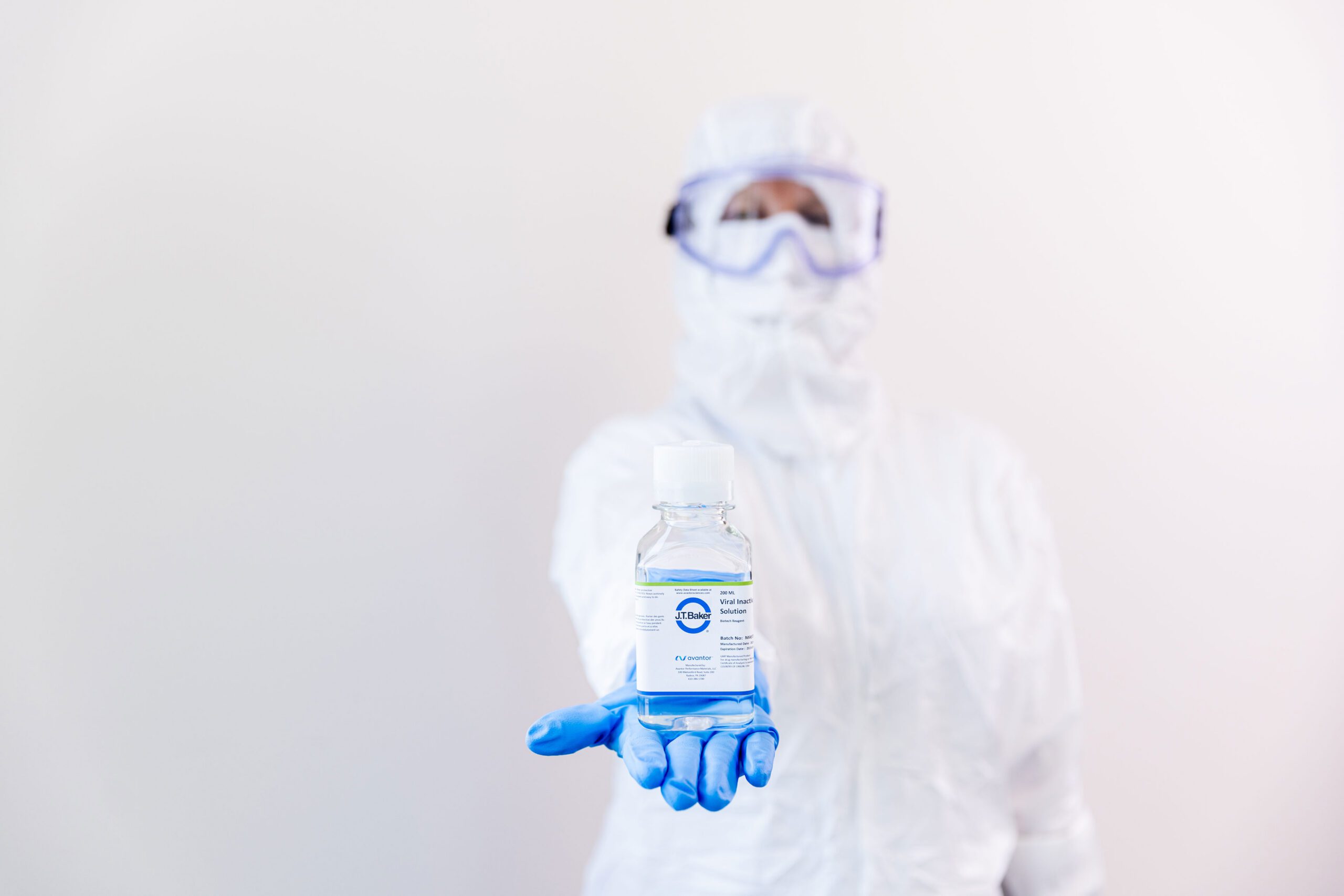
J.T.Baker®Viral Inactivation Solution was designed as a replacement for traditional Triton X-100-based viral inactivation systems. The solution contains a proprietary nonionic detergent that is structurally and functionally similar to Triton X-100 while avoiding the use of alkylphenol chemistry. Supplied as a ready-to-use, 10% active solution, the formulation is intended to simplify preparation compared with systems requiring on-site mixing or dilution. Manufactured under cGMP conditions using Avantor’s purification technology, J.T.Baker Viral Inactivation Solution provides a detergent-based approach for viral inactivation with potential environmental advantages.
Importantly, the detergent is biodegradable, not listed as a REACH SVHC, and has been recognized through the U.S. EPA Safer Choice program. Biodegradability testing by the Organization for Economic Cooperation and Development (OECD) guideline 301F demonstrated that the active ingredient rapidly degrades under aerobic environmental conditions, reducing the risk of long-term environmental persistence.
Beyond sustainability benefits, the ready-to-use format supports process intensification initiatives by simplifying operations, reducing handling requirements, and minimizing opportunities for variability.
Rapid and robust viral inactivation
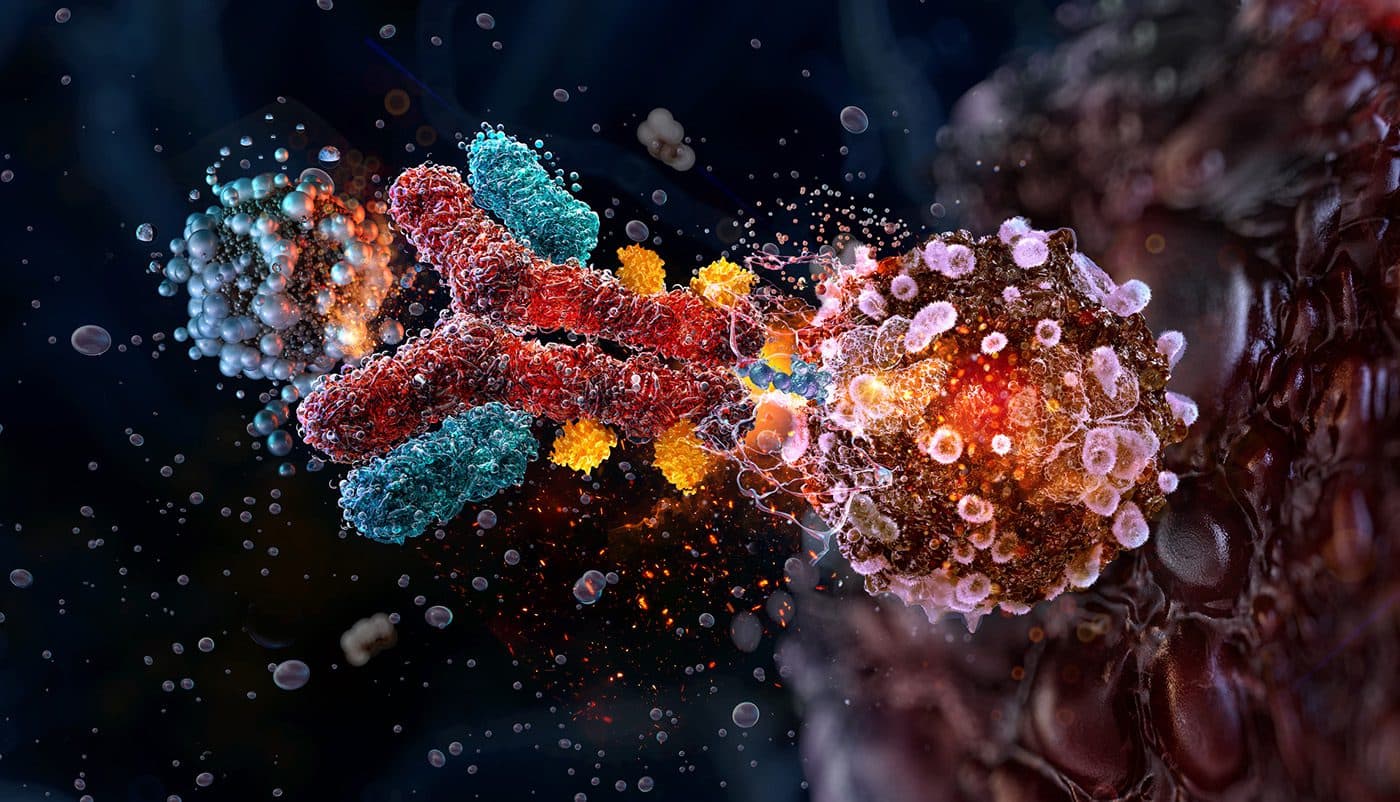
The primary function of J.T.Baker Viral Inactivation Solution is the inactivation of enveloped viruses through disruption of the viral lipid membrane. Once the envelope is disrupted, the virus loses its ability to infect host cells or replicate.
To evaluate the performance of the solution, viral inactivation studies were conducted using three model enveloped viruses recommended by ICH Q5A guidelines:
- Xenotropic murine leukemia virus (XMuLV), a model retrovirus commonly used in biologics manufacturing
- Bovine viral diarrhea virus (BVDV), a surrogate for Hepatitis C virus and other small, enveloped RNA viruses
- Herpes simplex virus type 1 (HSV-1), a relatively resistant enveloped DNA virus
The studies assessed viral inactivation at a one-percent use dilution under both 4°C and 15°C conditions.
The solution achieved greater than 5 log₁₀ reduction values (LRVs) for all three virus models. Viral inactivation began immediately upon addition of the detergent and exceeded the ICH Q5A expectation of at least 4 log reduction.
Notably, performance remained consistent across both temperatures tested, demonstrating the solution’s ability to maintain viral clearance activity under low-temperature process conditions. By 120 minutes, LRVs reached approximately 6 log10 or greater for HSV-1, XMuLV, and BVDV, indicating robust performance across the evaluated temperature range.
These results indicate that J.T.Baker Viral Inactivation Solution can support viral clearance while maintaining process flexibility.
Effective at lower use concentrations
Another important consideration for process developers is whether viral inactivation performance can be maintained at reduced detergent concentrations.
Experimental data demonstrate that the solution remains effective at use concentrations as low as 0.15% (v/v), equivalent to approximately 2.5x the critical micelle concentration (CMC), achieving ≥4 log₁₀ viral reduction under low-temperature conditions (4-5 °C). Consistent and complete inactivation was observed at concentrations of ≥0.3% (v/v) solution (~5× CMC), confirming robust viral clearance performance across a broad concentration range while maintaining process design space flexibility.
Independent studies further validated the performance, showing ≥5.6 log₁₀ viral reduction for XMuLV and ≥6.17 log₁₀ viral reduction for PRV, in concentrations as low as 0.1% (v/v) use-dilution (0.01% final detergent concentration) following incubation at 18°C for 120 minutes.2
Compared with Triton X-100/TnBP
Historically, many solvent-detergent viral inactivation processes have relied on Triton X-100 in combination with tri-n-butyl phosphate (TnBP). While effective, these systems introduce additional complexity and handling requirements.
Comparative data from published solvent-detergent studies demonstrate that J.T.Baker Viral Inactivation Solution achieves rapid viral inactivation within one minute, outperforming or matching the performance of Triton X-100 with TnBP, even though Triton-based systems may require longer contact times and higher temperatures.2
Under comparable low-temperature conditions, a one-percent J.T.Baker Viral Inactivation Solution achieved 4.9-5.2 log₁₀ reduction of XMuLV and BVDV within one minute at four or 15°C, compared to one percent Triton X-100 and 0.3-1% TnBP (at four or 30 °C) which achieved 4.3-5.5 log₁₀ reduction for the same virus models.3,4These results confirm that J.T.Baker Viral Inactivation Solution provides efficient viral inactivation as a standalone detergent, eliminating the need for added TnBP.
Integration into modern workflows
Beyond viral clearance performance, successful implementation requires compatibility with downstream processing.
Studies conducted with Protein A chromatography demonstrated that treatment with J.T.Baker Viral Inactivation Solution had no measurable impact on dynamic binding capacity or product recovery. The active detergent component can also be removed efficiently during downstream purification using J.T.Baker PolyQuat anion exchange (AEX) or PolyHI-propyl hydrophobic interaction chromatography (HIC) resins, with residual levels reduced below quantifiable limits using standard chromatography operations.
Low viscosity and reduced foaming characteristics of the solution further supports ease of use. Compared with Triton X-100, VIS generates less foam and dissipates more quickly, helping minimize common processing challenges such as protein loss, vent filter wetting, and pressure fluctuations.
J.T.Baker Viral Inactivation Solution is compatible with both traditional batch manufacturing and continuous bioprocessing workflows, enabling seamless integration into existing production platforms.
Viral safety and sustainability
As the biopharmaceutical industry continues to balance product safety, regulatory compliance, operational efficiency, and environmental responsibility, viral inactivation technologies must evolve accordingly.
J.T.Baker Viral Inactivation Solution represents an alternative approach to detergent-based viral inactivation. By combining enveloped virus clearance with biodegradability, reduced environmental impact, and simplified process integration, the solution provides manufacturers with a potential option for transitioning away from Triton X-100-based systems.
The data presented demonstrate that this improved environmental profile does not come at the expense of performance. Instead, J.T.Baker Viral Inactivation Solution provides the viral clearance capability required for modern biomanufacturing while supporting the industry’s growing commitment to sustainability and responsible chemical use.
Beth Kroeger-Fahnestock, is the director of new product innovation and technical marketing at Avantor
References
- International Council for Harmonization ICH Q5A(R2): Viral Safety Evaluation of Biotechnology Products Derived from Cell Lines of Human or Animal Origin (2024).
- Du, Y., & Wu, S. (2025).Exploring the design space for Triton X-100 substitutes in viral inactivation applications.Biotechnology Progress, e70069.
- Hsieh, Y.T., Mullin, L., Greenhalgh, P., Cunningham, M., Goodrich, E., Shea, J., Youssef, E., & Burnouf, T. (2016).Single -use technology for solvent/detergent virus inactivation of industrial plasma products.Transfusion, 56(6):1384–1393.
- Dichtelmüller, H.O., Biesert, L., Fabbrizzi, F., Gajardo, R., Gröner, A., von Hoegen, I., Jorquera, J.I., Kempf, C., Kreil, T.R., Pifat, D., Osheroff, W., & Poelsler, G. (2009).Robustness of solvent/detergent treatment of plasma derivatives: A data collection from Plasma Protein Therapeutics Association member companies.Transfusion, 49(9):1931–1943.
Previous article
Beyond AI: Using Physics to Understand the Atom… and Unlock the DrugNext article
How Virus Filtration Is Keeping Pace with Next-Generation BiologicsAlso of Interest
Manus and UT Austin Advance Biomanufacturing Product Recovery Through BioMADE ProgramSmarter Cell Culture Starts with Better MediaCAR T Manufacturing in Japan Gets Boost from Teijin-Shinshu University Research CollaborationTop 10 Contract Development and Manufacturing Organizations 202610 CDMO Up & Comers 2026AI Accelerates Biomanufacturing from Discovery to TranslationRelated Media
AI in Protein Design: Hype vs. Reality Explained by David BakerIn Conversation with Visionary Geneticist George ChurchSmart Vector Design for Improved Cell and Gene TherapiesBiotech and Beignets: The News from Day One of ASGCTFrom Functional Genomics to Cell Therapy: The Role of CRISPR-Based Gene EditingPrecision Base Editing Meets Single-Cell Multiomics to Advance Cell and Gene TherapiesTop 5ResourcesRecommended For YouPodcast
Touching Base
Touching Base is the dynamic podcast series from the editors ofGEN. Each episode features a rotating case of senior editors—including John Sterling, Kevin Davies, Julianna LeMieux, Alex Phillippidis, Uduak Thomas, Corinna Singleman, and Fay Lin—who delve into emerging stories, exchange ideas, and debate the latest trends in biotech. Additionally, they talk to some of the leading voices in the industry about what's now and next.Start listening today!
Stay up to date with the lasted episodes of Touching Base bysubscribing to theGENPodcast Newsletter