Schistosomiasis Vaccine Shows Strong Immune Memory in Early Clinical Trials
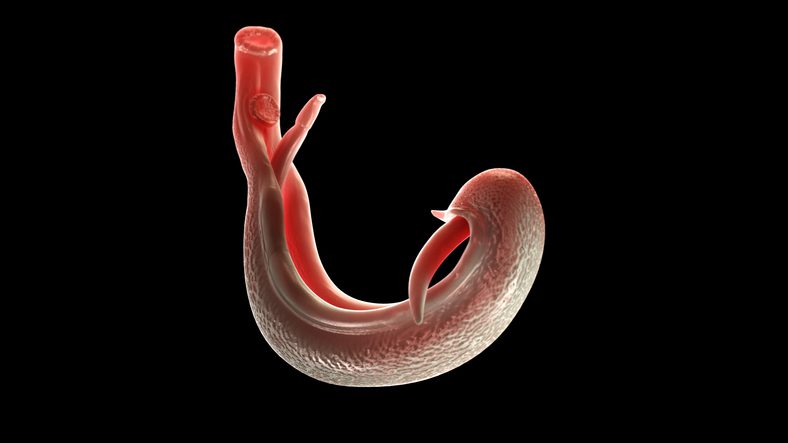
Helminth parasites of theSchistosomagenus cause roughly 290,000 deaths annually, primarily in tropical and subtropical regions. In addition, an estimated 250 million people are currently chronically infected withSchistosomaparasites—with an additional 800 million people at risk of getting the infection—making schistosomiasis second only to malaria among the world’s deadliest tropical parasitic diseases.
The larvae, which live in fresh water, penetrate the skin and develop into adults. Schistosomiasis can be found in nearly 80 countries and is common in sub-Saharan Africa.
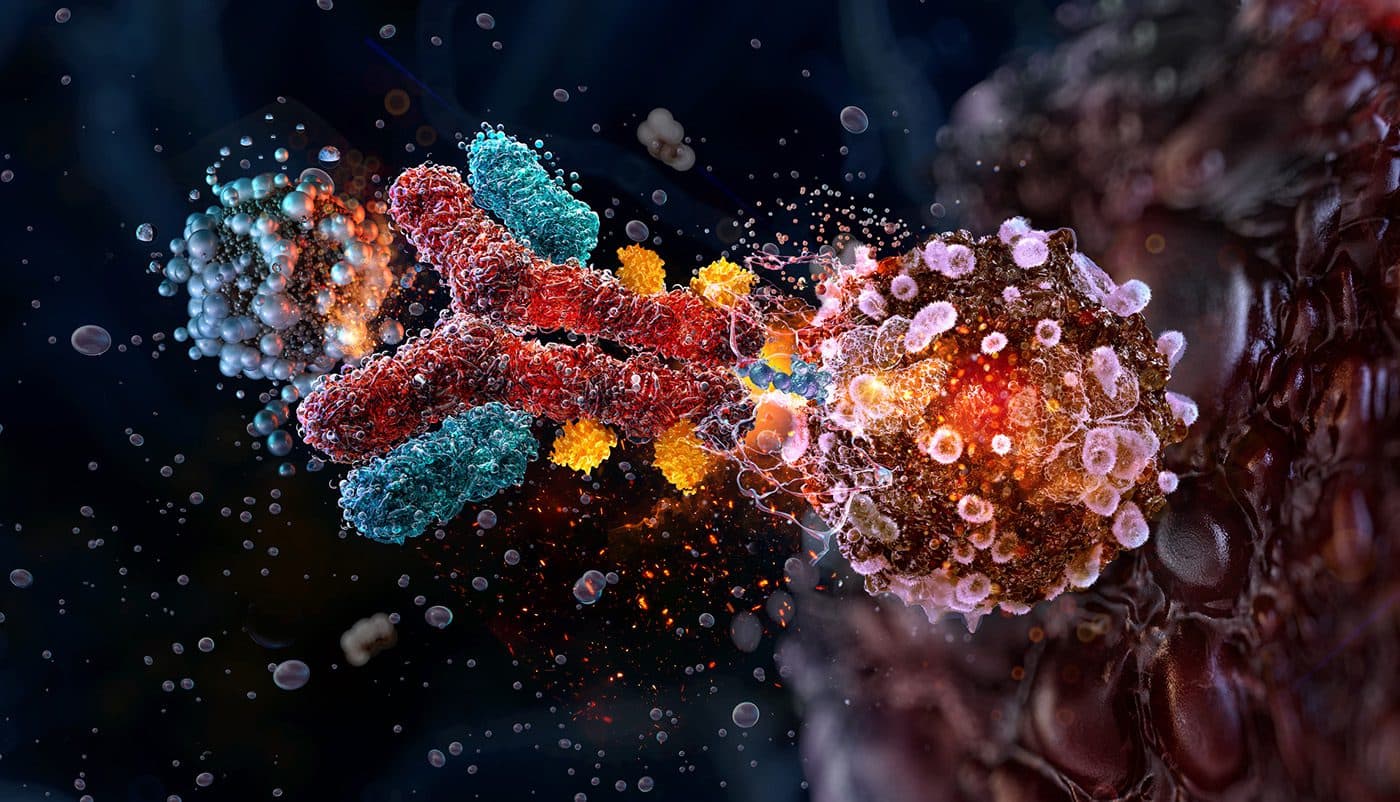
Now, new research shows promise for a vaccine being tested to prevent and treat schistosomiasis. SchistoShield®(Sm-p80 + GLA-SE) is a leading vaccine candidate for schistosomiasis that has successfully completed Phase I (USA) and Phase Ib (Africa) safety and immunogenicity clinical trials. Findings in a new report suggest that the vaccine triggered an adaptive immune effector and memory responses.
This work is published innpj Vaccinesin the paper, “Schistosomiasis vaccine SchistoShield®induces functional immune memory responses in U.S. and African populations.”
Afzal Siddiqui, PhD, director of the Center for Tropical Medicine and Infectious Diseases and chair of the Department of Immunology and Molecular Microbiology at the TTUHSC School of Medicine has devoted decades to creating SchistoShield.
In this study, samples taken from people who’ve received trial doses of the vaccine in both the United States and Africa now demonstrate the vaccine’s effectiveness. Using Peripheral Blood Mononuclear Cells (PBMCs) obtained from intercontinental Phase I and Phase Ib trial participants, the team analyzed adaptive immune effector and memory responses to SchistoShield.
“The SchistoShield vaccine,” Siddiqui notes, “induced robust cell-mediated effector and memory responses, hallmarks of a potentially efficacious vaccine against schistosome/helminth parasites.”
More specifically, the paper reports results demonstrating that “the vaccine induced pronounced effector and memory T-cell responses. Upon recall with Sm-p80 antigen, cytokines including IFN-γ, TNF-α, IL-17A, IL-9, and granzyme B were produced, indicating the generation of functionally heterogeneous CD4 T-helper and cytotoxic lymphocyte responses. Consistent with T-helper responses that promote humoral immunity, Sm-p80 antigen-specific antibody-secreting plasmablasts were detected in vaccinated volunteers who were tracked longitudinally.”
“The people we have vaccinated, in both the U.S. and in Africa, have the memory response, both B-cell and T-cell-based,” Siddiqui said. “The vaccine is doing what it is supposed to. But always remember that these trials are very small 50 to 100 people. Now it has to go to thousands of people. So that’s where we are moving into.”
Schistosomiasis is considered a “neglected disease” because it predominantly affects impoverished communities in tropical and subtropical regions. There’s only one drug available to treat people, but it does not prevent re-infection. Through his efforts, and the support of TTUHSC, federal grants and national and international charitable and non-profit groups, Siddiqui has been able to develop SchistoShield as a humanitarian effort, rather than making it for profit.
“Our purpose from the beginning has been to expand access to care,” Lori Rice-Spearman, PhD, president of TTUHSC said. “Dr. Siddiqui’s work reflects that commitment through research that could help address a disease affecting millions of people around the world.”
NewsClinical trialCytokinesImmune cellsImmunityInfectious diseasesT-cellsVaccinesSchistoShieldPrevious article
Iron Accumulation Drives Neurodegeneration via Chronic Stress PathwayNext article
Two Proteins with Opposing Functions Found to Support Healthy Skin MaintenanceAlso of Interest
Chronic Interferon Exposure Linked to Immunosuppression in CancerADCs, mAbs, CAR Ts: One Bioluminescent Platform Measures Them AllTargeted Lentiviral Delivery Without Vector ReengineeringMedicines Discovery Catapult Backs Two U.K. Biotech Companies Tackling Chronic DiseasesMicro-Bladder Model Demonstrates How Phage Therapy Could Help to Reduce Recurrent UTIsCancer Drug Reduces SIV Reservoir in Macaques, May Inform HIV Cure StrategiesRelated Media
AI in Protein Design: Hype vs. Reality Explained by David BakerBiotech and Beignets: The News from Day One of ASGCTGoodbye Chicago: A Final Video Update From AACRAACR 2024: A Video Update from San DiegoSickle Cell Salvation: The Victoria Gray InterviewEmerging Markets Collaborate to Succeed in Post-Pandemic WorldTop 5ResourcesRecommended For YouPodcast
Touching Base
Touching Base is the dynamic podcast series from the editors ofGEN. Each episode features a rotating case of senior editors—including John Sterling, Kevin Davies, Julianna LeMieux, Alex Phillippidis, Uduak Thomas, Corinna Singleman, and Fay Lin—who delve into emerging stories, exchange ideas, and debate the latest trends in biotech. Additionally, they talk to some of the leading voices in the industry about what's now and next.Start listening today!
Stay up to date with the lasted episodes of Touching Base bysubscribing to theGENPodcast Newsletter