Single-Cell Maps Reveal Genome Reorganization in Alzheimer’s Brain Cells
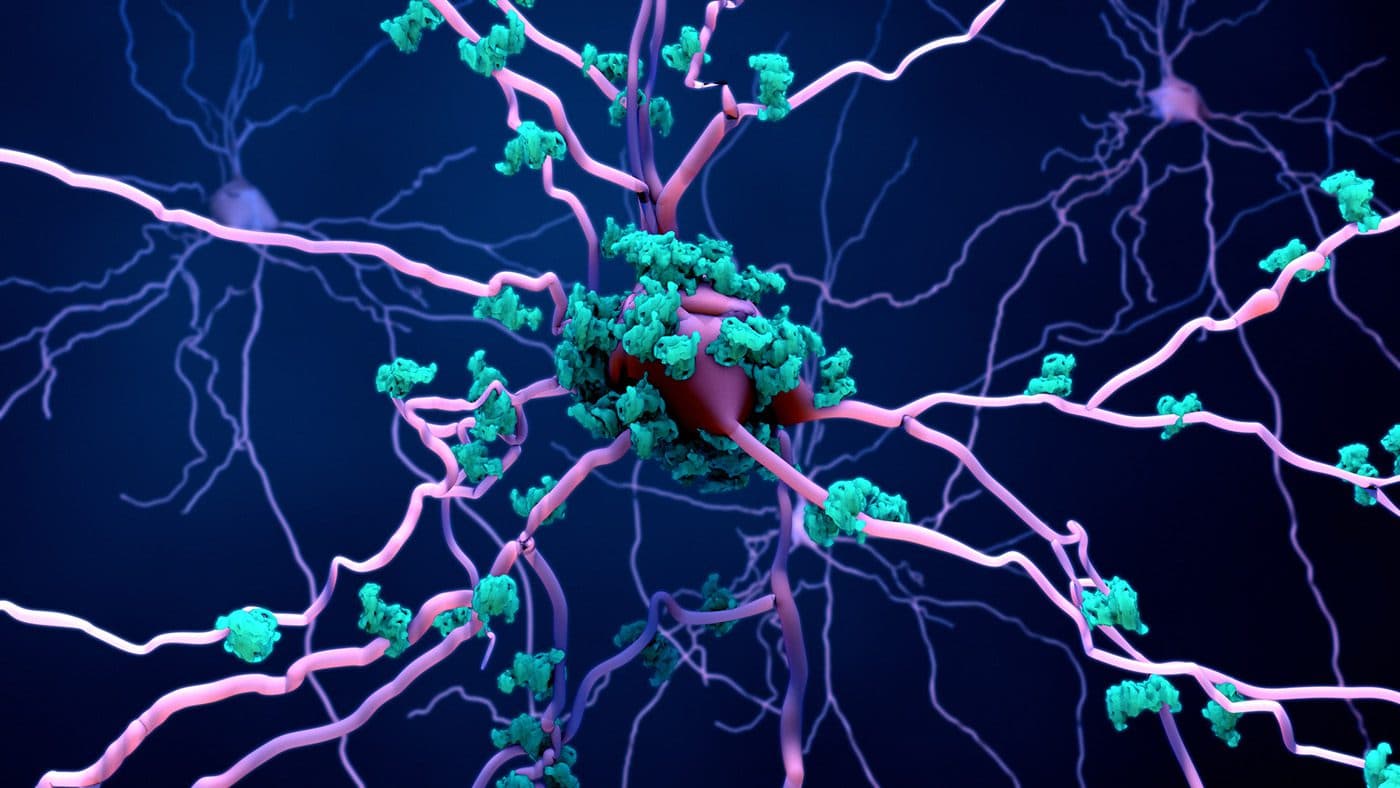
While Alzheimer’s disease is the most common cause of dementia, many of the molecular mechanisms that drive its progression remain poorly understood. While researchers have cataloged changes in gene activity across different brain cell types, a key unanswered question has been how the genome’s 3D organization influences those changes. Now, researchers have linked alterations in genome folding to disrupted gene regulation in Alzheimer’s disease, providing a new layer of insight into the biology of neurodegeneration.
The findings, published inSciencein the paper “Single-cell multiomics connects 3D genome and transcriptome alterations in Alzheimer’s disease,” were reported by researchers from Carnegie Mellon University’s School of Computer Science, the University of Pittsburgh School of Medicine, the University of Washington, and collaborating institutions. Using single-cell multiomics, spatial transcriptomics, and artificial intelligence (AI), the team generated a multiscale view connecting genome structure, gene expression, and tissue organization in Alzheimer’s disease.
To investigate the role of genome architecture in Alzheimer’s disease, the researchers analyzed postmortem prefrontal cortex tissue from individuals with and without the disease. They used GAGE-seq (genome architecture and gene expression by sequencing), a technique that measures both gene expression and physical genome contacts in the same single cell. The team combined those data with chromatin accessibility data, spatial transcriptomic maps, and a transformer-based AI model called Hicformer, which integrates DNA sequence and 3D genome features to predict cell-type-specific gene activity.
The study revealed widespread changes in chromatin organization across major brain cell types. According to the paper, Alzheimer’s disease was associated with “reduced short-range interactions and increased longer-range interactions” within the genome. Active and inactive genomic regions also exhibited increased mixing, consistent with weaker compartment segregation. The researchers linked these structural changes to cell type–specific alterations in gene expression programs involved in disease-relevant pathways.
Researchers also observed weakening of promoter-proximal interactions and changes in regulatory elements, alongside evidence of senescence-related activation in microglia and sex-dependent dysregulation of X-linked genes in females. Integrating the molecular data with spatial transcriptomics revealed altered cellular neighborhoods and disrupted coordination of gene programs within diseased brain tissue. The authors wrote that the results connect “genome structure, gene regulation, and tissue organization through a unified multimodal analysis.”
Their predictive model Hicformer also demonstrated that “3D genome features provide information beyond DNA sequence alone for explaining AD-relevant gene expression, enabling prioritization of distal regulatory elements whose effects are mediated through chromatin contacts,” the authors wrote.
“Measuring gene activity and genome folding in the same cell allows us to directly connect chromosome structure with disease-related gene programs,” said Yang Zhang, PhD, a project scientist in Carnegie Mellon’s Computational Biology Department and co-lead author. “Across several kinds of brain cells, this paired view revealed a consistent signature of 3D genome reorganization in Alzheimer’s disease and helped us prioritize regulatory regions for future mechanistic and therapeutic investigation.”
The researchers concluded that genome folding represents a previously underappreciated regulatory layer associated with Alzheimer’s pathology. By creating a detailed map linking 3D genome remodeling to gene expression and tissue organization, the study provides a framework for future experiments aimed at determining which structural changes contribute directly to disease progression. This may also provide clues to future therapeutic focuses.
“Alzheimer’s disease cannot be understood one layer at a time,” said senior author Jian Ma, PhD, the Ray and Stephanie Lane Professor of Computational Biology at Carnegie Mellon University. “The genome’s 3D structure is a fundamental regulatory layer that helps to connect DNA sequence to gene activity. By integrating genome folding, cell state, and tissue context, we can move beyond cataloging disease-associated changes toward understanding how they fit together and which mechanisms to test next,” said Ma. “Alzheimer’s disease cannot be understood one layer at a time.”
NewsAlzheimer's diseaseArtificial intelligenceDementiaGene expressionGene expression analysisHuman genomeMultiomicsSequencingSpatial transcriptomicPrevious article
Autism-Like Traits in Mice Improved After Single Rapamycin DoseNext article
Single-Cell Atlas Simultaneously Maps 3D Genome Architecture and DNA MethylationAlso of Interest
CloudScope Enables Continuous Remote Monitoring of Brain Activity in Freely Moving MiceSmarter Cell Culture Starts with Better MediaRevvity Signs Agreement to Acquire Human Cell DesignTop 10 Contract Development and Manufacturing Organizations 202610 CDMO Up & Comers 2026Harnessing Real-Time DataRelated Media
Data Integrity as the Foundation for AISmall Molecules, Big Expectations: How CDMOs Are Helping Sponsors Navigate Complexity, Speed, Scale-Up, and SustainabilityBeyond the Technology: AI Readiness in Regulated LaboratoriesAACR 2026 Video Update: Cancer Research Edges Toward an AI-Driven EraOmics in Orlando: A Video Report from AGBT, Day OneReporting Live from JPM 2026: Alex Philippidis and Jonathan Grinstein, PhDTop 5ResourcesRecommended For YouPodcast
Touching Base
Touching Base is the dynamic podcast series from the editors ofGEN. Each episode features a rotating case of senior editors—including John Sterling, Kevin Davies, Julianna LeMieux, Alex Phillippidis, Uduak Thomas, Corinna Singleman, and Fay Lin—who delve into emerging stories, exchange ideas, and debate the latest trends in biotech. Additionally, they talk to some of the leading voices in the industry about what's now and next.Start listening today!
Stay up to date with the lasted episodes of Touching Base bysubscribing to theGENPodcast Newsletter