Texas Biomed Enters Into a CRADA with U.S. Dept. of War to...
Texas Biomedical Research Institute signed a cooperative research and development agreement (CRADA) with the U.S. Department of War to help protect service members and civilians from emerging and high-consequence biological threats.
The agreement with the Capability Program Executive for Chemical, Biological, Radiological, and Nuclear Defense (CPE CBRND), which manages the nation’s investments in chemical, biological, radiological, and nuclear (CBRN) defense diagnostics and medical countermeasures (MCMs), establishes a collaborative framework to accelerate the development, testing, and validation of medical countermeasures while strengthening national preparedness, according to Cory Hallam, PhD, professor and executive vice president of Applied Science and Innovation at Texas Biomed.
“We are proud to offer our unique scientific capabilities to support the nation’s biodefense mission,” said Hallam. “Texas Biomed excels in reducing the time between scientific insight and operational impact, which is critical for proactive preparedness and responding quickly when threats emerge.”
Collaborative framework
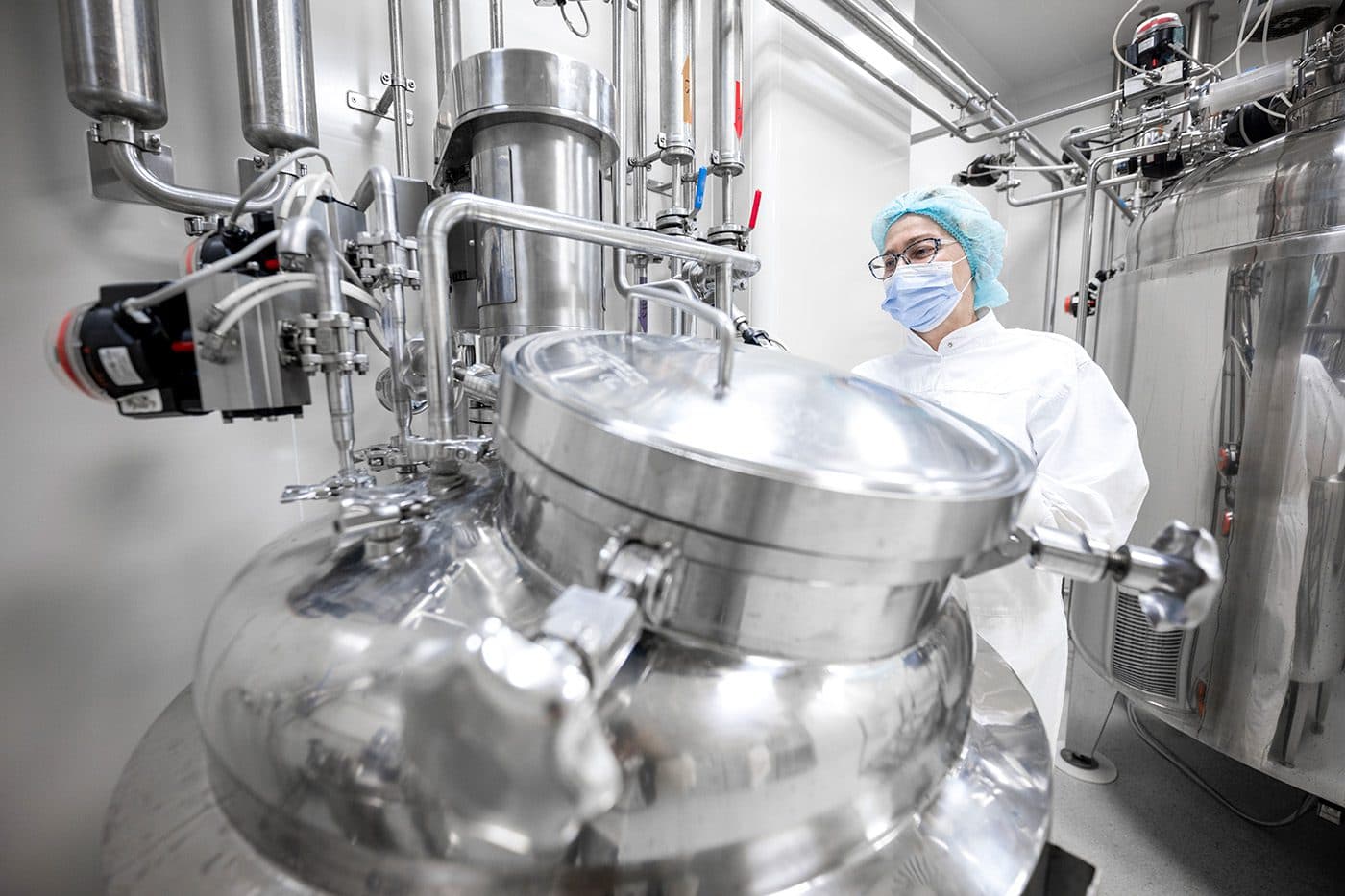
The CRADA establishes a framework for Texas Biomed and CPE CBRND to collaborate on MCM projects that protect global populations, including U.S. soldiers serving at home and abroad. The agreement recognizes Texas Biomed’soperational impact capabilities, including high containment research and adherence to Good Laboratory Practice standards that support FDA regulatory requirements.
The Institute is also home to one of the nation’s seven National Primate Research Centers, offering expertise in translational studies and model development.
The CRADA framework is intended to ensure that critical resources for biological threats, whether from naturally emerging diseases or engineered risks, are continuously ready and available on demand, rather than episodically, continued Hallam.
“This is a long-term investment in resilience,” added Larry Schlesinger, MD, president and CEO of Texas Biomed. “As biological threats continue to evolve, partnerships like this are increasingly essential. Under this agreement, we have the potential to build new joint capabilities that will serve the nation not just today, but for decades to come.”
NewsBiomedical researchPublic healthResearch programs and initiativesPrevious article
Epitope Editing Strategy Could Enable Less Toxic Stem Cell TransplantsNext article
Advanced Cell Sorting Balances Precision, Scale, and SimplicityAlso of Interest
How South Carolina Became the Southeast’s Fastest Growing Biotech HubOnshoring Is Here. The Hiring Wave Is Still a Decade OutComprehensive Human Vagus Nerve Map UnveiledRevvity Creates Program to Equip Young Biotechs with Scalable Informatics Capabilities Sooner than LaterFujifilm Selected with Six Others in FDA PreCheck Pilot Manufacturing ProgramBiomanufacturing in Space to Be Key Topic at ISSCR 2026Related Media
AACR 2026 Video Update: Cancer Research Edges Toward an AI-Driven EraAACR 2025: A Video Update from ChicagoAACR 2024: A Video Update from San DiegoA Report from AGBT Ag: Planting the Seed in San AntonioPart I: MassGeneral’s Rudy Tanzi, PhD, Shares New Genetic Findings on Alzheimer’sPart II: LEXEO CEO R. Nolan Townsend Discusses Pioneering Alzheimer’s Gene TherapyTop 5ResourcesRecommended For YouPodcast
Touching Base
Touching Base is the dynamic podcast series from the editors ofGEN. Each episode features a rotating case of senior editors—including John Sterling, Kevin Davies, Julianna LeMieux, Alex Phillippidis, Uduak Thomas, Corinna Singleman, and Fay Lin—who delve into emerging stories, exchange ideas, and debate the latest trends in biotech. Additionally, they talk to some of the leading voices in the industry about what's now and next.Start listening today!
Stay up to date with the lasted episodes of Touching Base bysubscribing to theGENPodcast Newsletter