Sign in
Welcome! Log into your account
Forgot your password? Get helpPrivacy PolicyPassword recovery
Recover your password
A password will be e-mailed to you.
GEN – Genetic Engineering and Biotechnology NewsHomeTopicsOMICsThe Future of Aging Research Is Longitudinal, Multiomic, and Single-Cell
Credit: Picture Office/ Adobe Stock
Sponsored content brought to you by
Aging is a complex, lifelong biological process that progressively increases the risk of developing chronic disease. As the global population ages, the prevalence of chronic disease is rising, placing increasing pressure on healthcare systems. Research into the biological processes underpinning aging is therefore essential for improving prevention strategies and developing treatments that support healthier aging. The complex longitudinal nature of aging means that research approaches must capture multiomic insights across long time scales.
Aging cannot be understood in a snapshot
Single-timepoint genomic analysis can inform disease risk and prevention strategies, but it cannot track the dynamic molecular changes associated with aging. By contrast, longitudinal studies that collect samples over years and decades can reveal the sequence of molecular and cellular changes that occur before age-associated phenotypes, such as frailty and cognitive decline, emerge. Studies published inNature MedicineandNature Agingsuggest that aging processes are highly personalized and progress nonlinearly, highlighting the need to track individual biological trajectories with multiple analyses over long time periods.
Recognizing the value of longitudinal research is an important first step. However, translating that understanding into practice requires robust infrastructure that supports consistent sample collection, processing, and storage, while maintaining resilience to challenges that emerge over the course of a long-term study.
Aging complexity requires multiomic insight
Aging is shaped by a complex network of interacting factors, including environmental exposures, such as diet, treatment history, pollution, and stress, alongside genetic predisposition. As a result, aging manifests in diverse, personalized ways, with different individuals aging faster in different organ systems or biological pathways and ultimately developing different diseases.
The molecular and cellular effects of aging are similarly varied and are not confined to a single omics layer. While genomics remains central to understanding disease risk, epigenetics is particularly important in aging research because it reflects the interplay between environmental influences, molecular changes, and gene expression. Analysis of other omics layers, such as the proteome, can identify clinically accessible biomarkers that capture meaningful biological changes and help translate research into clinical diagnostics.
Single-cell methods expose hidden variation
Aging produces different effects across cell populations within a given tissue, and certain cell types contribute disproportionately to the overall aging phenotype. As a result, bulk omics analyses can miss both the impact of aging on specific cells and the distinct contributions individual cells make to the aging process. Age-associated immune cell dysregulation contributes to increased susceptibility to infections, autoimmune disorders, and other diseases. Senescent cells accumulate with age and play a direct role in driving chronic inflammation, impairing tissue regeneration, and contributing to age-related diseases. Other cell types with important roles in aging include stem cells and organ-specific cell populations that influence cardiovascular and brain health, two major areas of age-associated morbidity. Single-cell omics can identify distinct cell types and define their regulatory and activation states, providing deeper insight into age-related disease processes and rare cell populations.
Integrated services for aging research
Aging research requires scalable infrastructure that preserves samples over long periods and supports consistent processing and analysis. This consistency is essential for generating reliable conclusions from samples collected at different time points and across diverse cohorts. Complementary multiomic platforms are also needed to untangle the complexity of aging and generate actionable insights.
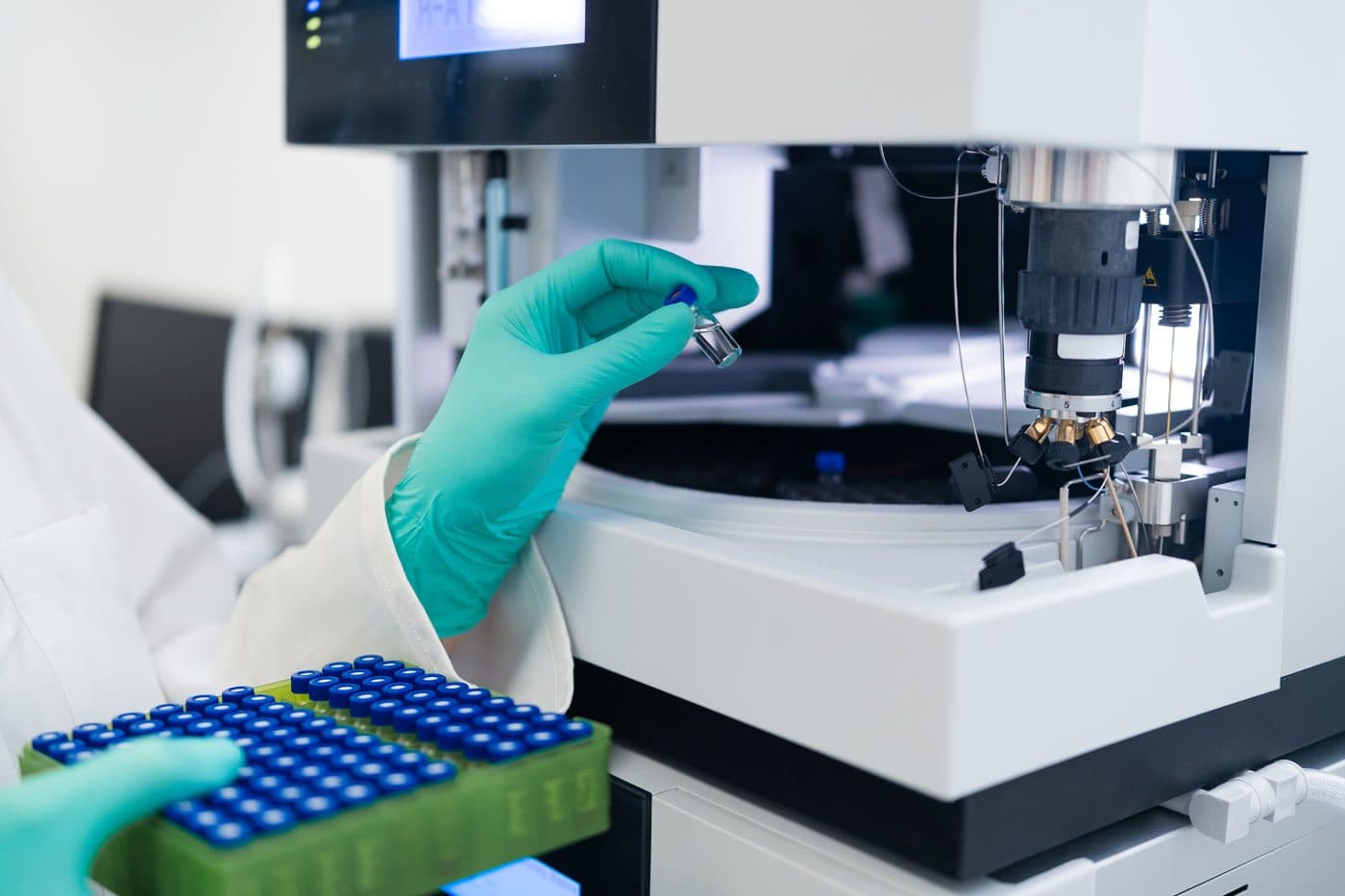
Sampled is a fully integrated analytical laboratory and biorepository, combining scalable, ISBER-compliant, and CAP-accredited biobanking with a comprehensive multiomics platform in a CLIA-certified lab spanning genomics, transcriptomics, epigenomics, proteomics, single-cell, and spatial omics.
References
1. Ahadi S, Zhou W, Schüssler-Fiorenza Rose SM et al.Personal aging markers and ageotypes revealed by deep longitudinal profiling. Nat Med 26, 83–90 (2020).
2. Shen X, Wang C, Zhou X et al.Nonlinear dynamics of multi-omics profiles during human aging. Nat Aging 4, 1619–1634 (2024).
Contact a Sampled expert today to lay strong foundations for your longitudinal aging research program.
SponsoredAging (Developmental biology)GenomicsHealth care servicesLongitudinal studyMultiomicsRisk assessmentAlso of Interest
Moonwalk to Use $70 Million to Develop RNAi Therapies for Obesity, Cardiometabolic DiseaseWatchmaker Genomics Boosts Manufacturing Capacity with Major Boulder Campus ExpansionMyotisBat Genomes Reveal How They Fight Viruses, Cancer, and Cellular DamageDeepCyte Launches Single-Cell Metabolomic Reference Atlas of Drug Toxicity MechanismsSugar-Sweetened Beverages Daily Can Lead to Higher Stomach Cancer RiskRewriting Disease: Oligonucleotides Take Aim at the UntreatableRelated Media
Omics in Orlando: A Video Report from AGBT, Day OneBase Pairs in Beantown: A Video Update from ASHGIn Conversation with Visionary Geneticist George ChurchBoston's Bioprocessing Buzz:GENReports Live from BPI 2025From Functional Genomics to Cell Therapy: The Role of CRISPR-Based Gene EditingThe Future of Bioinformatics: Scaling Interactive and Computational Workflows with SeqeraCopyright © 2026 Sage Publications or its affiliates, licensors, or contributors. All rights reserved, including those for text and data mining and training of large language models, artificial intelligence technologies, or similar technologies.
MORE STORIES